

Mini Split vs Central AC Cost Comparison for Savvy Homeowners


.avif)

The Real Mini Split vs Central AC Cost Comparison Every Salt Lake City Homeowner Should See
When your HVAC system gives out in the middle of a Utah summer, the mini split vs central AC cost comparison becomes a lot more urgent than a casual research project. Before you commit to replacing what you had or upgrading to something new, it helps to know exactly what you're getting into — financially and practically.
Here's a quick side-by-side to answer the core question right away:
| Factor | Mini Split | Central AC |
|---|---|---|
| Best for homes without ductwork | Yes | No — adds major cost |
| Best for homes with existing ducts | Possible, but pricier | Yes — most cost-effective |
| Efficiency (SEER2) | 18–30+ | 14–20 |
| Energy savings vs. older systems | Up to 40% less | Baseline |
| Lifespan | 15–20 years | 12–15 years |
| Heating included | Yes (heat pump) | Requires separate furnace |
| Zoned comfort | Yes | Limited |
The short answer: If your home already has quality ductwork in good condition, central AC is typically the more affordable upfront choice. If you're starting from scratch — no ducts, a home addition, a finished basement, or an older Salt Lake City home — a mini split often wins on total cost and efficiency.
That said, the full picture is more nuanced than a single table can show. Factors like Salt Lake City's dry climate, your home's square footage, and how many rooms you need to control independently all shift the math.
My name is Bryson Ninow, and with years of hands-on HVAC experience helping Utah homeowners navigate exactly this kind of decision, I've seen how the mini split vs central AC cost comparison plays out differently depending on a home's infrastructure and energy goals. In this guide, I'll walk you through everything you need to make a confident, informed choice.
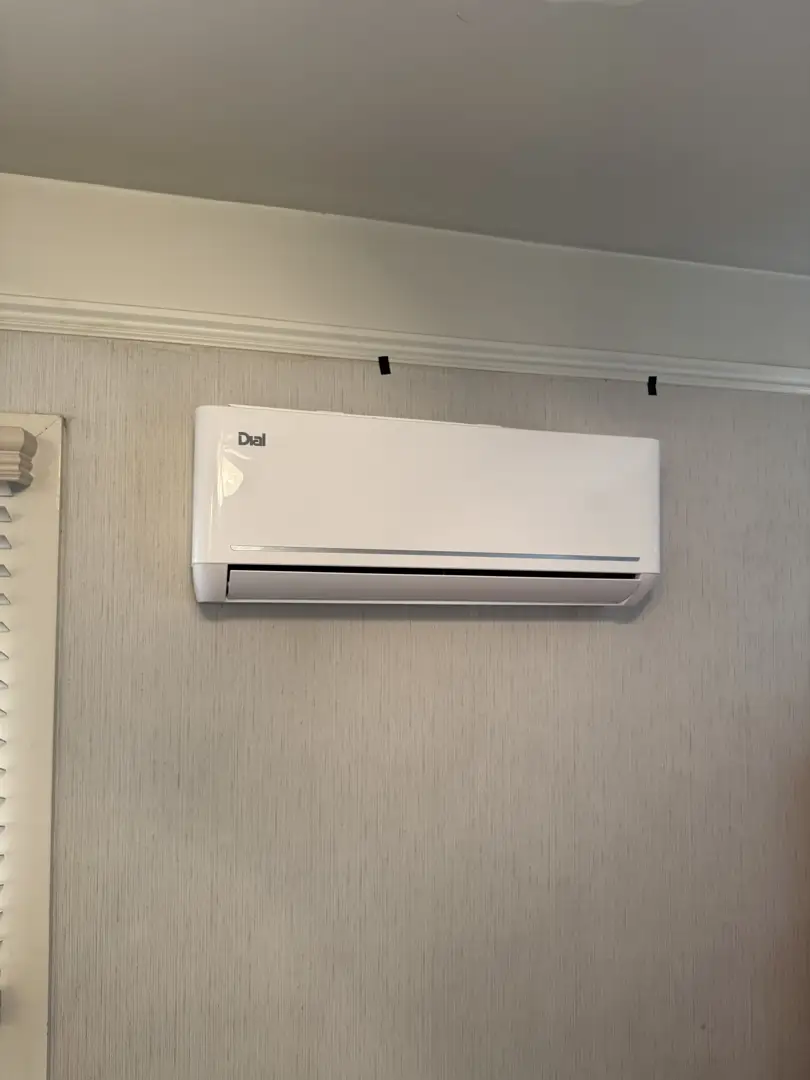
Mini Split vs Central AC Cost Comparison: Analyzing Upfront Investment
When we talk about the mini split vs central AC cost comparison, the conversation usually starts with the equipment, but it should really start with your walls and ceilings. The "infrastructure impact" is the single biggest variable in your total investment.
If your home was built in an era before central air was standard, or if you are adding cooling without ductwork, the physical labor of retrofitting a home for central AC can be staggering. Installing new ductwork often requires cutting into plaster or drywall, dropping ceilings, and losing closet space. In some cases, the labor and materials for the ducts alone can exceed the price of the actual AC unit.
Mini splits, on the other hand, require only a small three-inch hole in the wall to connect the indoor air handler to the outdoor condenser. This significantly reduces the complexity of the installation. However, we also have to consider your electrical panel. Both systems are high-draw appliances, but because mini splits often use multiple indoor heads, we may need to evaluate if your current panel can handle the additional dedicated circuits.
A ductless mini-split systems upgrade is often the path of least resistance for older homes in areas like Holladay or Millcreek where preserving the architectural integrity of the home is a priority.
Mini Split vs Central AC Cost Comparison: Single-Zone vs. Whole-Home
The math changes based on how much of your home you want to cool. A single-zone mini split is an incredibly cost-effective way to fix a "problem room" or a new addition. But when you scale up to a whole-home solution, the equipment costs for mini splits begin to rise.
A multi-zone system uses one outdoor condenser connected to several indoor units. Each indoor unit adds to the equipment and labor total. In contrast, a central AC system is a "one-and-done" equipment purchase. If your ducts are already in place and in good repair, central AC is usually the more budget-friendly upfront option for cooling a large, 2,500-square-foot home.
When deciding on BTU capacity, we look at the specific thermal load of your rooms. Mini splits offer incredible flexibility here; you can install a high-capacity unit in a large living area and smaller, whisper-quiet units in bedrooms. You can even choose different indoor unit styles, such as wall-mounted, floor-mounted, or ceiling cassettes, to match your decor. For a deep dive into these configurations, check out our ductless AC installation Utah complete guide.
Long-Term Efficiency and Monthly Savings
In May 2026, energy efficiency isn't just a buzzword; it's a financial strategy. The industry has fully transitioned to SEER2 (Seasonal Energy Efficiency Ratio 2) and HSPF2 (Heating Seasonal Performance Factor 2) ratings, which provide a more accurate look at how systems perform under real-world conditions.
Mini splits are the undisputed champions of efficiency. While a high-end central AC might reach 20–26 SEER2, premium mini splits can soar past 30 SEER2. This is largely thanks to inverter technology. Think of a traditional central AC as a light switch—it’s either 100% on or 100% off. This constant cycling creates massive energy spikes. Inverter-driven compressors act more like a dimmer switch, ramping up and down smoothly to maintain a consistent temperature while "sipping" electricity.
The benefits of ductless mini-splits extend directly to your wallet. By switching from an older, inefficient central system to a modern ductless setup, many homeowners see their monthly cooling bills drop by as much as 40%.
How Duct Loss Influences Your Mini Split vs Central AC Cost Comparison
One of the "hidden taxes" of central air is duct loss. According to the Department of Energy, the typical ducted system loses 20% to 30% of its conditioned air through leaks, poor insulation, or thermal transfer. If your ducts run through a scorching hot attic in Draper or a cold crawlspace in Bountiful, your AC has to work significantly harder just to deliver cool air to the vents.
Mini splits eliminate this waste entirely. There are no ducts to leak, meaning 100% of the air you pay to cool is delivered directly into the room. This lack of "duct tax" is a major factor when calculating the cost for ductless heat pump systems versus traditional units. Furthermore, mini splits allow for targeted cooling. Why pay to cool the entire house at night when you’re only using the master bedroom? Zoning allows you to turn down the units in unused spaces, further slashing your utility spend.
Total Cost of Ownership and System Lifespan
When performing a mini split vs central AC cost comparison, you have to look beyond the day of installation. You have to look at the next 15 years.
Central AC systems typically have a lifespan of 12 to 15 years. Mini splits, because they use inverter technology that puts less wear and tear on the compressor, often last 15 to 20 years or more. However, they do require a different maintenance mindset.
Central systems usually need a filter change every 90 days and an annual professional check-up. Mini splits require you to rinse the reusable mesh filters every few weeks to maintain airflow and air quality. Because the indoor units house the blower wheels, they also require professional deep cleanings every year or two to prevent dust and mold buildup.
We always tell our partners in Sandy and South Jordan that the ROI on a high-efficiency system is only realized if the system is maintained. Following ductless heating maintenance Utah tips and our ductless AC maintenance Utah guide ensures your system hits that 20-year mark. When you factor in the longer lifespan and lower monthly bills, the total cost of ownership for a mini split often ends up being lower than central air, even if the initial equipment was more expensive.
Installing a ductless mini-split system is an investment in your home's future value. As energy costs continue to rise through 2026, buyers are increasingly looking for homes with high-efficiency, zoned climate control.
Choosing the Right System for Your Home Scenario
Every home in the Salt Lake Valley is unique, and the "best" system depends entirely on your specific scenario.
- The Finished Basement: Basements are notoriously difficult to heat and cool evenly with a main central system. A mini split is the perfect solution for a basement theater or guest suite, providing independent control without taxing your main unit.
- Older Home Retrofits: For historic homes in the Avenues or Liberty Park area, mini splits are a godsend. They allow you to bring modern comfort to a home with plaster walls and no room for bulky ductwork.
- Home Additions and ADUs: If you're building an Accessory Dwelling Unit (ADU) or a sunroom, consider mini-split heat pumps. It's almost always more cost-effective than trying to extend your existing ductwork and potentially needing to upgrade your entire central furnace and AC to handle the extra load.
- Garage Conversions: Turning your garage into a workshop or gym? A single-zone mini split can handle the extreme temperature swings of a Utah garage with ease.
- Open Floor Plans: If you have a large, modern home with a wide-open floor plan and existing ducts in good condition, central AC remains the "gold standard" for even, invisible air distribution.
Frequently Asked Questions about HVAC Costs
Are mini splits cheaper to run than central AC?
Generally, yes. Because they avoid the 20-30% energy loss associated with ductwork and utilize variable-speed inverter compressors, mini splits use 20% to 40% less electricity than standard central AC units. The ability to cool only the rooms you are currently using (zoning) provides additional operational savings that a single-thermostat central system simply can't match.
Do mini splits provide both heating and cooling?
Yes! Most modern mini splits are actually heat pumps. They can reverse the refrigeration cycle to pull heat from the outside air and move it indoors. Even in Salt Lake City’s cold winters, modern "cold-climate" mini splits can provide efficient heating in temperatures well below zero. This dual functionality means you may be able to offset your furnace usage during the "shoulder seasons" (spring and fall), leading to year-round savings.
How does existing ductwork affect the total installation price?
Existing ductwork is the ultimate "tie-breaker." If your home has ducts that are clean, sealed, and properly sized, central AC is almost always the most affordable upfront option. However, if your ducts are old, leaky, or filled with dust, you may need to invest in duct repair or replacement. If those repair costs are high, the mini split vs central AC cost comparison often tips in favor of going ductless and abandoning the old infrastructure entirely.
Conclusion
Choosing between a mini split and central AC isn't just about the sticker price; it's about the long-term comfort and efficiency of your Utah home. Whether you're looking to cool a historic home in Salt Lake City or a brand-new addition in Herriman, the right choice depends on your existing infrastructure and your vision for your home.
At S.O.S. Heating & Cooling, we pride ourselves on being the Salt Lake City HVAC experts who put your convenience first. We don't believe in one-size-fits-all solutions. We look at your home’s unique layout, your energy goals, and the current 2026 energy incentives to help you find the system that offers the best ROI.
Ready to see which system will save you the most? From Bountiful to Draper and everywhere in between, we are here to help. Schedule your mini-split consultation with us today and let's get your home's comfort back on track.
Schedule Your Consultation at S.O.S. Heating & Cooling
Explore Our Latest Insights and Updates in Plumbing Services

The Secret to Making Your Dishwasher and Pipes Last Forever
How to Tell if Hard Water is Trashing Your Fixtures
Surviving the High Desert with High Efficiency AC Benefits