

Weathering the Storm: The Ultimate Utah HVAC and Plumbing Guide


.avif)

The Best HVAC and Plumbing Setup for Utah Weather
When we talk about the best hvac and plumbing setup for utah weather, we are looking for a system that can pivot from a 100-degree July afternoon to a sub-zero January night without skipping a beat. In May 2026, the gold standard for Utah homes is the dual-fuel system, also known as a hybrid heating setup.
A dual-fuel system combines an electric heat pump with a high-efficiency gas furnace. During the spring and fall—those "shoulder seasons" where Utah weather can't decide if it wants to be 40 or 70 degrees—the heat pump handles both heating and cooling with incredible efficiency. However, when the temperature drops below the "switch-over point" (usually around 30-35°F), the system automatically engages the gas furnace. This is crucial because, while modern heat pumps are better than ever, gas remains a powerful and reliable heat source during those deep Wasatch Front freezes.
If you are currently nursing an old unit through another season, it is helpful to know When to Consider Furnace Replacement. Generally, if your system is over 15 years old, you are likely losing a significant amount of money to energy waste. Upgrading to a system with variable-speed technology allows your HVAC to "sip" energy, running at lower speeds to maintain a constant temperature rather than clanging on and off at full blast. For those living in areas like Salt Lake City or Sandy, exploring HVAC Replacement Salt Lake City UT options that utilize these modern technologies can lead to utility savings of up to 30-50%.
Heat Pumps vs. Dual-Fuel for Utah Homes
| Feature | Cold-Climate Heat Pump | Dual-Fuel (Hybrid) System |
|---|---|---|
| Primary Energy Source | Electricity | Electric + Natural Gas |
| Performance in Sub-Zero | Good (with specialized models) | Excellent (Gas backup takes over) |
| Environmental Impact | Lowest Carbon Footprint | Balanced |
| Best For | Moderate elevations, eco-conscious | High-altitude, extreme cold zones |
| Operational Cost | Low in mild weather | Lowest overall in variable climates |
Humidity Control for the Best HVAC and Plumbing Setup for Utah Weather
Utah is one of the driest states in the nation, and our winters make it even worse. When you heat up cold, dry outdoor air, the relative humidity inside your home can drop below 15%—which is actually drier than the Sahara Desert! This isn't just about itchy skin or static electricity shocks; it’s about protecting your home. Dry air pulls moisture out of wood floors, cabinets, and musical instruments, leading to expensive cracks and warping.
The best hvac and plumbing setup for utah weather must include a whole-home humidifier. These units are installed directly into your ductwork, adding controlled moisture to the air as it circulates. We recommend targeting a relative humidity level between 30% and 50%. This range keeps your respiratory system healthy and prevents your home's woodwork from shrinking. Following Essential Heating Maintenance Tips like checking your humidifier pad annually ensures you stay comfortable through the parched winter months.
Ductless Solutions for Variable Temperatures
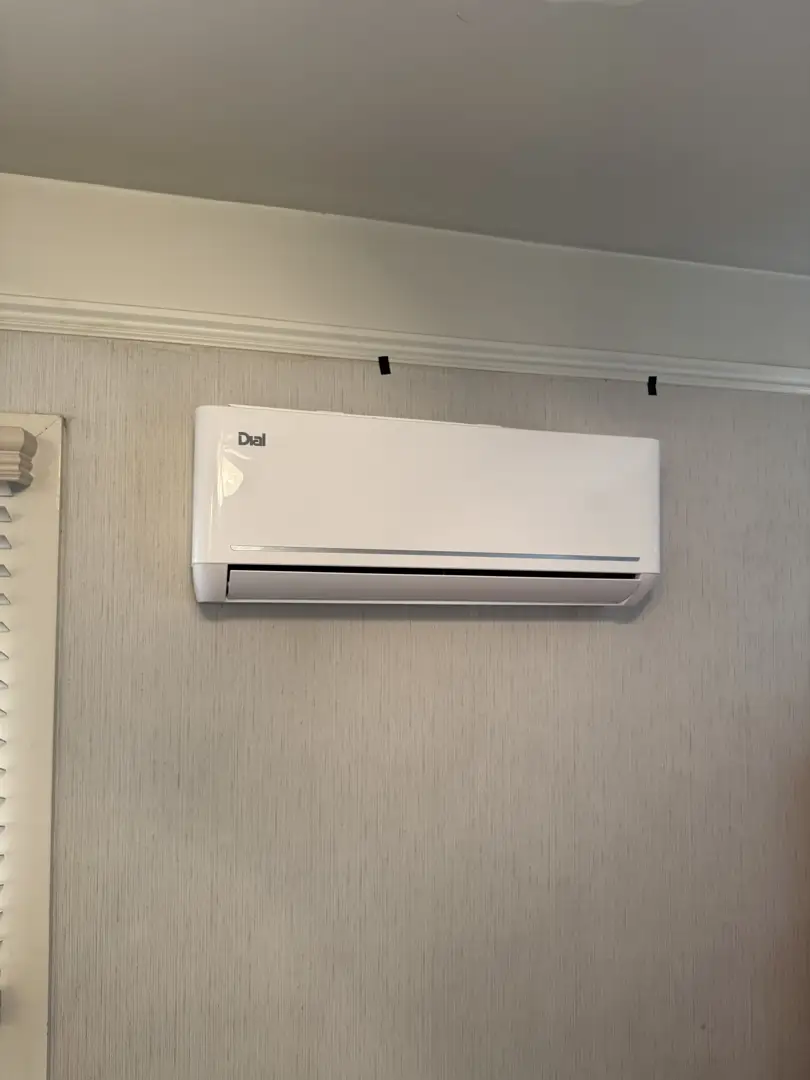
Many homes in older neighborhoods like Holladay or Cottonwood Heights have "problem rooms"—that one bedroom over the garage or the basement office that is always five degrees colder than the rest of the house. In these cases, Installing a Ductless Mini-Split System is a game-changer.
Mini-splits allow for "zoned comfort," meaning you can heat or cool specific areas without adjusting the thermostat for the whole house. When you Consider Mini-Split Heat Pumps, you’re looking at a highly efficient way to handle home additions or multi-level temperature imbalances without the need for massive, expensive ductwork renovations.
Navigating High Altitude and Air Quality Challenges

Living at 4,300 feet (or higher in places like Draper) changes the physics of how your HVAC system works. This is known as altitude derating. Because the air is thinner, there is less oxygen for combustion in your furnace and less air mass for your air conditioner to move. A furnace rated for 100,000 BTUs at sea level may only produce about 82,000 BTUs in the Salt Lake Valley.
If your contractor doesn't account for this during installation, your system will be chronically undersized, leading to constant running and premature failure. This is why Salt Lake City AC Installation Tips always emphasize professional "Manual J" load calculations that factor in our specific elevation.
Furthermore, Utah's "inversion" is a unique meteorological challenge. During winter, cold air gets trapped in the valleys, along with PM2.5 particulates and pollutants. For homes on the valley floor, we strongly recommend sealed combustion furnaces. Unlike older models that draw air from inside the house for burning, these units pull air from outside and vent exhaust directly back out, ensuring no combustion gases or outdoor pollutants are pulled into your living space.
Indoor Air Quality and Wildfire Smoke
In recent years, summer wildfire smoke has become a recurring health concern. To combat this, the best hvac and plumbing setup for utah weather should utilize high-efficiency filtration. While a standard 1-inch filter protects the equipment, a 4-inch MERV-13 filter or a HEPA filtration system protects you.
Adding UV-C lamps inside your air handler can also neutralize airborne pathogens and mold spores. Understanding How Does Air Conditioning Work: The Science Behind AC helps you realize that your AC is actually a giant dehumidifier and air scrubber—by keeping it clean and upgraded, you’re creating a literal "safe haven" from the dust and smoke outside.
Essential Plumbing Resilience and Smart Integration
Plumbing in Utah has to be tough. We deal with "freeze-thaw cycles" where the ground expands and contracts, putting immense pressure on your pipes. The most critical step for any homeowner is ensuring that any pipes in unconditioned spaces—like crawlspaces or attics—are properly insulated.
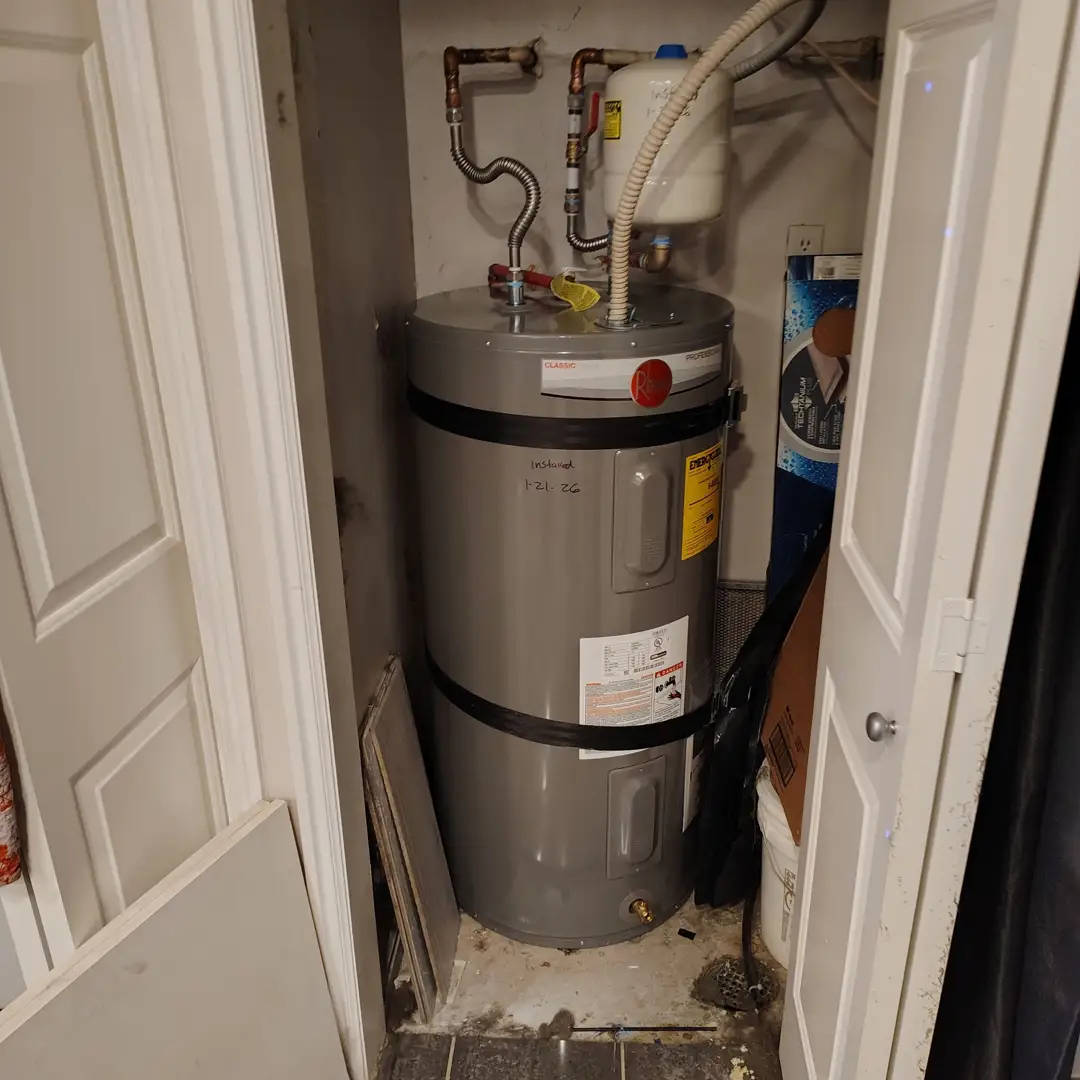
Beyond the cold, we have to deal with Utah's notoriously hard water. The high mineral content in our water acts like "cholesterol" for your pipes, causing scale buildup that kills water heaters and clogs showerheads. A high-quality water softener is a non-negotiable part of a resilient Utah plumbing setup. If you're experiencing low pressure or strange noises, our Salt Lake City Residential Plumbing Services can help diagnose if hard water is the culprit.
When it comes to hot water, many residents are moving toward tankless upgrades. These systems provide endless hot water and take up much less space, but they must be installed correctly to meet Water Heater Code Compliance, especially regarding venting at high altitudes.
Smart Upgrades for the Best HVAC and Plumbing Setup for Utah Weather
In May 2026, a "smart" home is an efficient home. Smart thermostats can save you 10–12% annually on heating and cooling costs by learning your schedule and adjusting for Utah's massive daily temperature swings. For multi-level homes in areas like South Jordan or Riverton, a smart zoning system can fix the "hot upstairs, cold basement" syndrome by using motorized dampers to direct air exactly where it's needed.
Don't forget the plumbing side of smart tech. Smart leak detectors can shut off your main water valve the moment a pipe freezes and bursts, potentially saving you tens of thousands of dollars in water damage. These integrations are the final piece of the puzzle for a truly optimized home. For more on optimizing your setup, check out our AC Tune-Up Guide for Wasatch Front Homeowners.
Seasonal Maintenance for Peak Efficiency
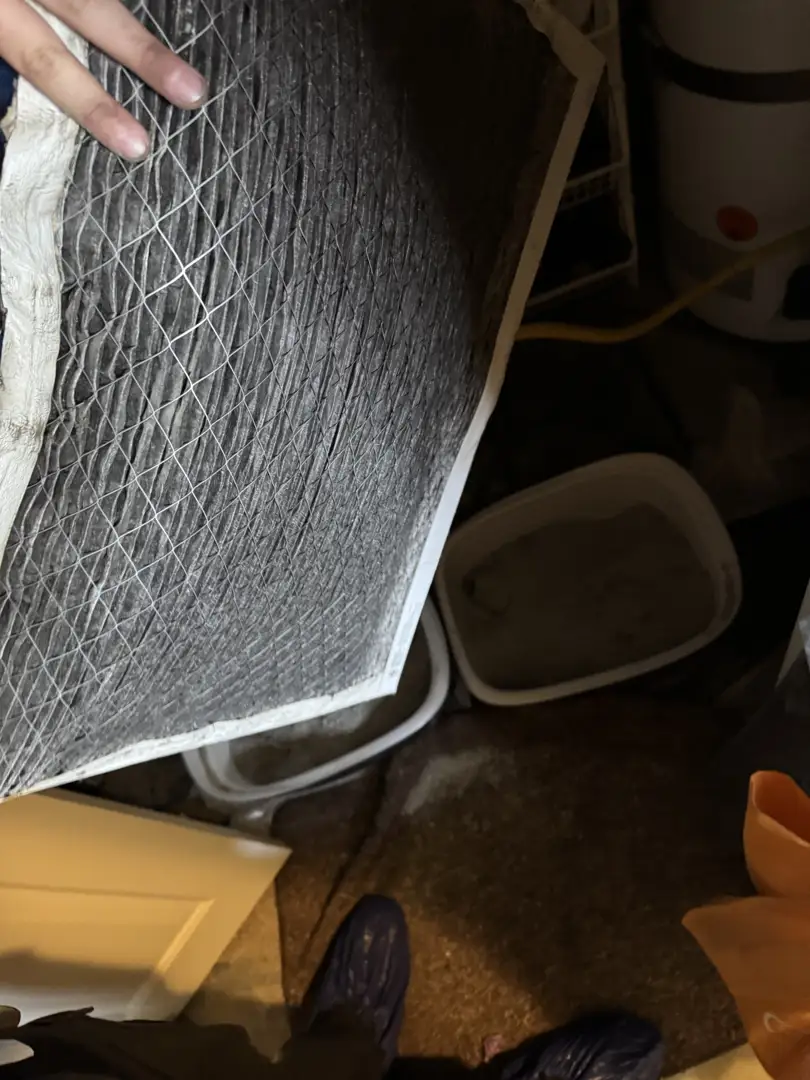
Regular maintenance is the only way to ensure your systems reach their full 15-to-20-year lifespan. In Utah's dusty climate, a clogged filter is the #1 cause of system failure.
Your DIY Maintenance Checklist:
- Change Air Filters: Every 1–3 months (or every 2 weeks during peak inversion/smoke season).
- Clear Outdoor Units: Maintain at least 2 feet of clearance around your AC or heat pump. Remove snow, leaves, and "cottonwood fluff" in the spring.
- Check Vents: Ensure furniture or drapes aren't blocking airflow.
- Visual Pipe Inspection: Check for corrosion or "green crust" on exposed copper pipes.
- Test Smoke/CO Detectors: Vital when running gas furnaces in the winter.
By following 6 Tips for Extending the Lifespan of Your Heating System, you can avoid the "emergency call" during the first cold snap of the year. Additionally, How Can I Make My Windows More Energy Efficient is a great resource for reducing the overall load on your HVAC system, as leaky windows often force your furnace to work 20% harder than necessary.
Transitioning Between Utah Seasons
Utah doesn't have a slow transition into summer or winter; it usually happens overnight. We recommend scheduling a spring tune-up in March or April and a fall furnace check in September. During these visits, a professional will check refrigerant levels (low levels are a primary cause of high bills), inspect heat exchangers for dangerous cracks, and ensure your system meets May 2026 efficiency standards.
Clearing snow from your outdoor unit in the winter is also vital. If the heat pump is buried in a drift, it can't "breathe," which can lead to a total system lockout when you need heat the most.
Frequently Asked Questions about Utah Home Systems
Why does Utah's altitude affect HVAC sizing?
As air density decreases at higher altitudes, there is less "stuff" in the air to carry heat. This means your blower motor has to move more air to achieve the same cooling effect, and your furnace needs more air to burn fuel efficiently. We use Manual J calculations to "derate" the equipment, ensuring we choose a unit that can actually handle the thinner air in the Wasatch Front.
How often should I change filters during inversion season?
During a heavy winter inversion or a summer wildfire event, your filters are working overtime to trap microscopic PM2.5 particles. In these conditions, we recommend checking your filter every 2 weeks. A gray or "fuzzy" filter is a sign that it’s restricted, which puts massive strain on your blower motor and reduces your indoor air quality.
Is a heat pump effective in sub-zero Utah winters?
Yes, but with a caveat. Modern "cold-climate" heat pumps can provide heat down to -13°F. However, for most Utah homes, we still recommend a dual-fuel setup. Having a gas furnace backup provides peace of mind during those rare but brutal -20°F nights and ensures your home stays warm even if the electric grid is under heavy strain.
Conclusion
Building the best hvac and plumbing setup for utah weather isn't about buying the most expensive equipment on the market; it’s about choosing the right tools for our unique mountain environment. From managing the "altitude equation" to protecting your family from inversion-related air quality issues, every component of your home's mechanical system plays a role in your comfort and your wallet.
At S.O.S. Heating & Cooling, we’ve spent years perfecting the art of home comfort along the Wasatch Front. Whether you are in Salt Lake City, Draper, or Kaysville, our team is dedicated to providing systems that last longer and run more efficiently. If you're ready to upgrade your home's resilience, explore our Service Areas or Contact us today for a consultation. Let us help you find the Expert HVAC and Plumbing Solutions that will keep your home a sanctuary, no matter what the Utah sky looks like.
Explore Our Latest Insights and Updates in Plumbing Services
Is a Mini Split Better Than Central Air for Your Home?
The Silent Killer of Utah Water Heaters
The Ultimate Schedule for Changing Filters in High Dust Areas