

How to Choose a Water Heater That Handles Mineral Buildup Like a Pro


.avif)

The Best Water Heater Options for Hard Water Homes (And Why It Matters in Utah)
Water heater options for hard water homes are not all created equal — and if you're in the Salt Lake City area, that's not a minor detail. Utah's Wasatch Front water hardness regularly measures between 150 and 250 grains per gallon, which is two to three times higher than the national average. Standard water heaters were not built to survive that. The result? Premature burnout, sediment buildup, and heaters failing years before they should.
Here's a quick look at how the main water heater types stack up in hard water conditions:
| Water Heater Type | Hard Water Tolerance | Avg. Lifespan (Untreated) | Key Hard Water Risk |
|---|---|---|---|
| Traditional Tank | Low | 6-10 years | Scale buildup, element burnout, anode depletion |
| Tankless | Moderate (with maintenance) | 3-5 years without softening | Heat exchanger clogging, warranty voidance |
| Heat Pump (Hybrid) | Best | 10-15 years | Reduced efficiency if neglected |
| Stainless Steel Tank | High | 10-15+ years | Minimal corrosion risk, no anode rod needed |
| Non-Metallic Tank (e.g., polybutylene) | High | 10+ years | Proprietary parts can be harder to source |
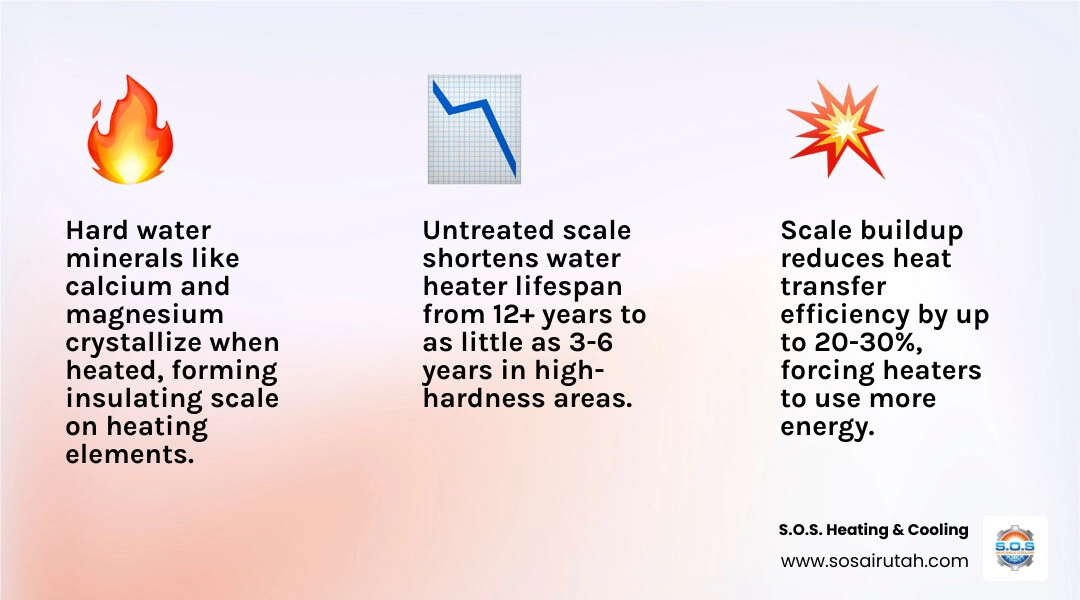
The core problem is simple: when hard water gets heated, calcium and magnesium crystallize and stick to everything — heating elements, tank walls, heat exchangers. That layer of scale acts like insulation, forcing your heater to work harder, use more energy, and wear out faster. In some extreme cases, electric water heaters in high-mineral well water areas have needed full replacement every three to four years.
The good news is that knowing your options puts you back in control. As one practical way to think about it: at least that way you can choose a way to deal with it instead of having it choose you.
I'm Bryson Ninow, an HVAC professional with hands-on experience helping Utah homeowners navigate water heater options for hard water homes — from the Wasatch Front's punishing mineral levels to energy-efficient upgrades that actually hold up long-term. In this guide, I'll walk you through the best heater types, materials, and maintenance strategies so you can make a confident, informed decision.
Why Hard Water is the Enemy of Your Home’s Plumbing
If you’ve ever noticed white, crusty residue on your showerhead or a chalky film on your dishes, you’ve seen hard water in action. But what’s happening inside your water heater is much more aggressive. When water is heated, the minerals (primarily calcium and magnesium) precipitate out of the liquid and solidify. This is called "scale," and it is the primary reason water heaters fail prematurely in places like Bountiful and Draper.
As this scale builds up, it settles at the bottom of traditional tank heaters. Within just six months, you can have several inches of sediment sitting at the base of your unit. This causes a few major problems:
- Efficiency Loss: Scale acts as an insulator. In a gas heater, the flame has to heat through the metal tank and a thick layer of "rock" before it even touches the water. This can reduce efficiency by up to 20-30%.
- The "Kettle Effect": Have you heard a popping or rumbling sound coming from your basement? That’s the sound of steam bubbles trapped under the sediment layer trying to escape. It’s a sign that your heater is struggling.
- Element Burnout: In electric heaters, the scale specifically targets the heating elements. It coats them until they can no longer dissipate heat into the water, causing the internal wire to snap and the element to fail.
- Anode Rod Depletion: The anode rod is a sacrificial piece of metal designed to corrode so your tank doesn't. In hard water areas, these rods are depleted in half the time compared to soft water regions.
Understanding the Water Quality in Woods Cross UT is the first step toward protecting your home. Hard water doesn't just damage the heater; it can lead to thermal stress and even pinhole leaks in your copper piping. To get ahead of the curve, many of our neighbors refer to a Water Softener Guide Woods Cross UT to understand how to neutralize these minerals before they ever reach the heater.
Comparing Water Heater Options for Hard Water Homes
When we talk about water heater options for hard water homes, we generally look at three categories: traditional tanks, tankless units, and heat pump (hybrid) models. Each handles minerals differently.
Traditional Tank Water Heater Options for Hard Water Homes
Standard tanks are the most common, but they are also the most vulnerable to sediment "gobbing up" the bottom. However, manufacturers have developed a few tricks to help them survive. Some modern tanks feature "self-cleaning" dip tubes. These are curved tubes that create a swirling vortex at the bottom of the tank every time cold water enters. This agitation keeps the sediment suspended so it can be flushed out rather than settling into a solid mass.
If you choose a tank model, look for one with a high-quality glass lining. This smooth surface makes it harder for scale to bond to the tank walls. Still, in the Salt Lake Valley, even the best tank will struggle without help. This is why we often recommend installing Water Softeners Woods Cross UT to extend the life of a standard unit from 8 years to 15 or more.
Tankless Water Heater Options for Hard Water Homes
Tankless water heaters are often touted as the "clear winner" for longevity, and while they can last 20-25 years, they are actually more sensitive to hard water than tanks. Because they use narrow copper heat exchangers to flash-heat water, even a small amount of scale can cause a total blockage.
In Utah, most tankless warranties are voided if your water hardness exceeds 9 or 10 grains per gallon. Since we regularly see 150+ GPG, a softener isn't just a "good idea" for tankless—it's a requirement. To combat this, some high-end models now feature X3 Scale Prevention technology, which can make the heat exchanger last up to three times longer by preventing minerals from crystallizing on the metal.
For those in Bountiful, pairing a tankless unit with Water Filtration Bountiful UT or specific Water Filtration Woods Cross UT systems ensures that your investment doesn't turn into a "mineral-coated rock" within three years.
Specialized Materials and Technology for High Mineral Areas
If you are dealing with very hard well water (22-23 grains or higher), standard copper elements and glass-lined steel might not be enough. This is where specialized materials come into play.
- Titanium Heating Elements: Titanium is incredibly resistant to corrosion and mineral buildup. These elements are often designed with "low watt density," meaning they have a larger surface area and don't get as hot as copper elements. This prevents the "flash-boiling" that causes scale to stick.
- Stainless Steel 316L Tanks: Some premium brands, like Ariston, offer tanks made entirely of high-grade stainless steel. These tanks are so resistant to corrosion that they often don't even require an anode rod, removing one of the most common maintenance headaches.
- Non-Metallic Tanks: The Rheem Marathon is a famous example of a "lifetime" tank. It uses a polybutylene (plastic-like) tank that is physically incapable of rusting. While the tank itself may last forever, keep in mind that it uses proprietary elements that can be more expensive to replace if they scale up.
For homes with complex water chemistry—including high iron or low pH—we sometimes suggest advanced treatment. Systems like Reverse Osmosis Holladay UT or Reverse Osmosis Millcreek UT are usually reserved for drinking water, but whole-home filtration can protect every fixture in your house from the aggressive minerals found in our local supply.
Essential Maintenance to Extend Your Heater’s Lifespan
We often tell our customers that there are two ways to deal with hard water: you can treat the water (chemical solution) or you can maintain the heater (mechanical solution). Ideally, you do both.
If you live in a hard water area without a softener, you should be flushing your tank every six months. This isn't just a quick drain; it involves turning off the power/gas, connecting a hose, and running water through the tank to scout out the sediment. For tankless units, this means a professional "descale" where a mild acid solution (like food-grade white vinegar) is pumped through the heat exchanger for about an hour.
Other critical maintenance steps include:
- Anode Rod Inspection: Check this every 2-3 years. If the rod looks like a thin wire, it’s done its job and needs to be replaced.
- Pressure Relief Valve Testing: Scale can "freeze" this valve shut, which is a major safety hazard.
- pH Monitoring: If your water is too acidic or basic, it will eat through copper elements regardless of how much scale is present.
Proper maintenance is much easier when you have the right setup from the start. We frequently help neighbors install Water Softeners Salt Lake City UT to automate the protection of their plumbing. For more tips on keeping your system running smoothly, our Water Filtration Guide Woods Cross UT is a great resource for local homeowners.
Frequently Asked Questions about Hard Water and Heaters
How often should I flush my water heater in a hard water area?
In the Salt Lake City region, we recommend flushing your tank every six months. Standard manufacturer manuals often say "once a year," but those guidelines are written for "average" water. With Utah's 150-250 GPG mineral levels, a year is often too long, allowing sediment to harden into a "brick" at the bottom of the tank that is nearly impossible to remove.
Can I use a tankless water heater without a softener in Utah?
Technically, yes, but we don't recommend it. Most tankless manufacturers require water hardness to be below 10 grains per gallon to honor their 15-year heat exchanger warranty. Since our local water can be 15 to 20 times harder than that limit, an untreated tankless unit may fail in as little as 3 to 5 years. If you aren't ready for a softener, a traditional tank or a heat pump model is a much more "forgiving" choice.
What are the signs that my water heater is failing due to scale?
The most common sign is noise—popping, banging, or rumbling during a heating cycle. You might also notice that your "hot" showers are getting shorter, or that it takes much longer for the water to recover after one person bathes. Finally, look for white, chalky buildup around the base of your faucets or on the heater's drain valve.
Conclusion
Choosing the right water heater options for hard water homes is about balancing your upfront budget with long-term reliability. Whether you opt for a "lifetime" non-metallic tank, a high-efficiency heat pump, or a robust tankless system, the key to success in Utah is acknowledging the minerals in our water and planning accordingly.
At S.O.S. Heating & Cooling, we’ve been serving the Wasatch Front since 1984. We understand the specific challenges of the I-215 corridor and the surrounding valleys. From Bountiful to Sandy, our team is here to provide 24/7 emergency repairs, flexible financing, and expert installations that stand up to the toughest water conditions.
Don't let mineral buildup choose your next water heater for you. Protect your home with the right water heater and enjoy the peace of mind that comes with professional service and a system built to last. Give us a call today to find the perfect fit for your family!

Plumbing
Expert plumbing services offering reliable repairs, installations, maintenance, and emergency support.

Air Conditioning
Comprehensive air conditioning services include installation, repairs, maintenance, and energy-efficient solutions.
Heat Pumps
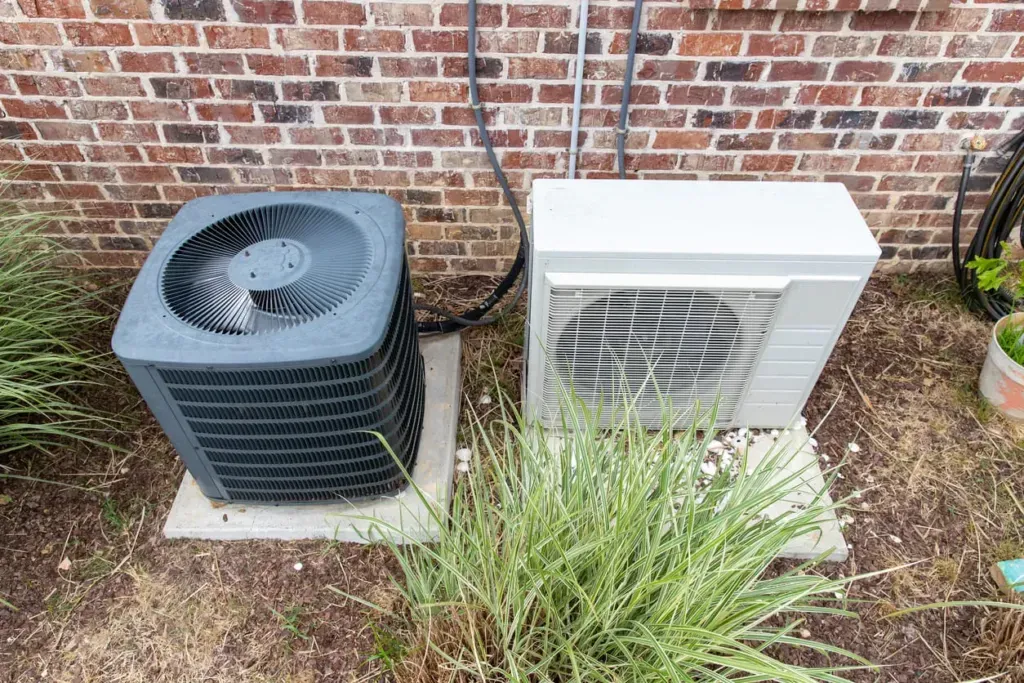
Enjoy year-round comfort with our energy-efficient and professional heat pump solutions.

Indoor Air Quality
Enhance your home’s air with our cutting-edge indoor air quality solutions you can trust.

Fireplaces
Transform your space into a warm and cozy atmosphere with our professional fireplace services.

Heating
Specialized heating services provide reliable installation, repair, system maintenance, and energy-optimization solutions.
Explore Our Latest Insights and Updates in Plumbing Services
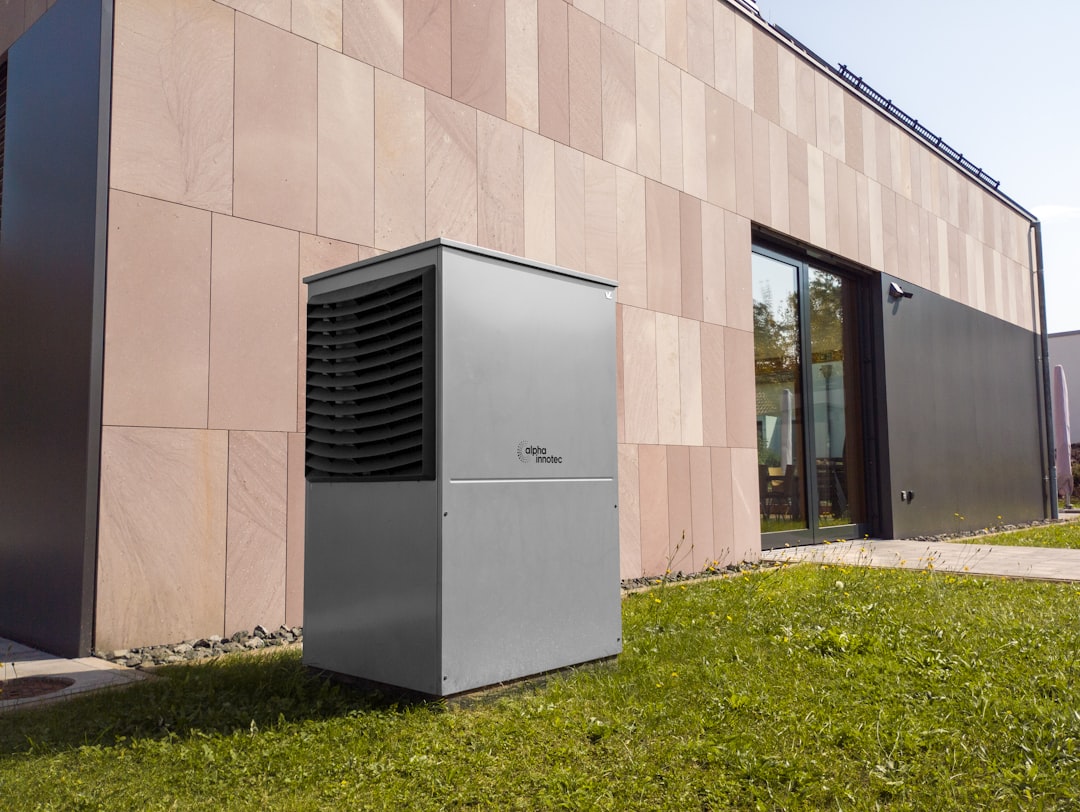
A Quick Start Guide to Heat Pump Winter Performance in the Salt Lake Valley

Ultimate Guide to How a Whole Home Humidifier Makes Your Heating System Feel Warmer in a Dry Utah Winter
