

How to Fix a Clogged Drain on a Budget


.avif)

Why Every Homeowner Needs to Know About Clogged Drain Repair
Clogged drain repair is a common plumbing issue that always seems to happen at the worst time. The good news is that many drain clogs can be fixed with the right knowledge and simple tools.
Quick Guide to DIY Clogged Drain Repair:
- For grease clogs - Pour boiling water down the drain in stages.
- For minor organic clogs - Use 1 cup baking soda + 1 cup vinegar, wait 15 minutes, and flush with hot water.
- For visible blockages - Remove the P-trap and manually clear debris.
- For stubborn clogs - Use a drain snake or plunger with proper technique.
- Call a professional when - Multiple drains back up, sewage odors appear, or DIY methods fail.
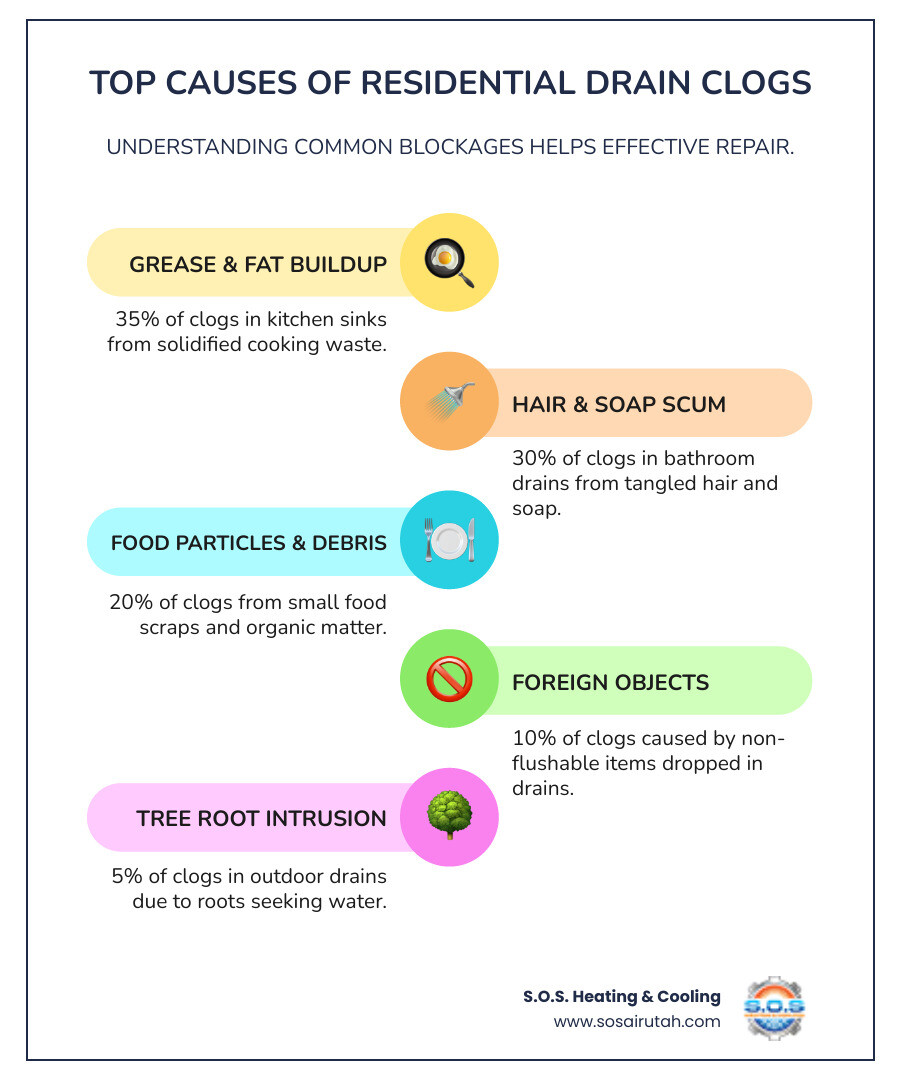
Understanding the difference between kitchen and bathroom clogs is crucial. Kitchen drains typically clog from grease, oil, and food particles, while bathroom drains struggle with hair tangled with soap scum. Knowing what you're dealing with helps you choose the right fix. Most clogs develop gradually as debris accumulates, with grease congealing in kitchen pipes and hair acting like a net in bathroom drains.
For Salt Lake City homeowners, learning budget-friendly repair methods can save stress. Learn more about plumbing tips for clogged drains or contact our expert plumbing team for professional assistance.
I'm Bryson Ninow, and I've spent years helping Salt Lake City families with home maintenance challenges like clogged drains. I believe in empowering homeowners with the knowledge to handle common issues themselves while knowing when professional help is the smarter choice.
Identifying the Clog: Kitchen vs. Bathroom Drains
When your drain starts acting up, the first step in effective clogged drain repair is figuring out what you're dealing with. Kitchen and bathroom drains face different challenges, and understanding them helps you choose the right fix.
Kitchen Drain Causes and Signs
Kitchen drains often clog from grease and oil buildup. When hot grease cools in your pipes, it solidifies, trapping food scraps and coffee grounds. This leads to a gradually narrowing pipe.
Signs of a kitchen clog include:
- Slow draining water after washing dishes.
- Gurgling noises from the drain.
- Unpleasant odors from decomposing food.
- Food particles backing up into the sink.
For more helpful information on tackling these issues, check out our plumbing tips for clogged drains.
Bathroom Drain Causes and Signs
In bathrooms, hair tangles are the primary culprit, especially in showers. Hair forms a net that catches soap scum and toothpaste residue, creating a dense, gummy blockage. Hard water mineral deposits can worsen the problem.
Signs of a bathroom clog include:
- Water pooling in the shower or tub.
- A slow draining sink, especially after brushing teeth.
- The toilet bubbles when the sink runs, which can indicate a deeper blockage in a shared drain line.
Don't ignore these signs—a blocked shower drain can quickly escalate into bigger plumbing headaches.
Effective DIY Drain Unclogging Methods
Before you reach for your phone to call a professional, let's talk about some tried-and-true clogged drain repair methods that can be tackled with simple tools and household items. Always wear rubber gloves and eye protection for safety, as drains can contain unknown substances.
The Boiling Water & Dish Soap Method
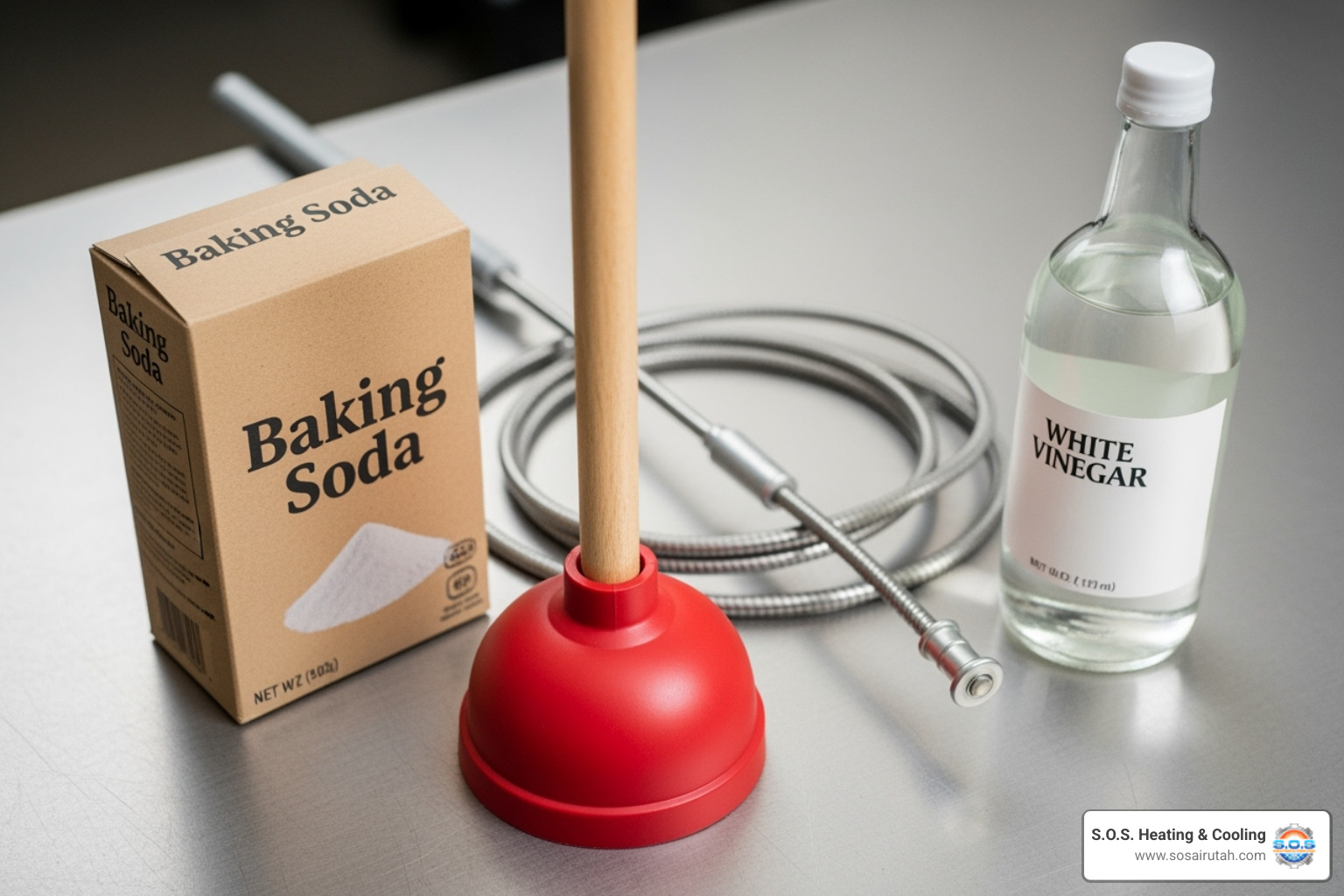
This method is excellent for greasy kitchen clogs. The hot water melts grease, while the soap breaks it down. Caution: Use this only on metal or high-temperature-rated PVC pipes, as boiling water can damage older PVC or crack porcelain sinks.
- Pour about a quarter cup of dish soap down the drain.
- Carefully pour 2-3 liters of boiling water down the drain in stages.
- Wait five minutes, then flush with hot water to see if the drain is clear.
For additional techniques and detailed steps, check out this helpful resource on How To Clear Clogged Drains.
The Baking Soda and Vinegar Solution
This eco-friendly method uses a chemical reaction to break down organic matter like hair and soap scum. It's gentle on pipes and great for minor clogs.
- Remove any standing water from the sink.
- Pour one cup of baking soda down the drain, followed by one cup of white vinegar.
- Immediately cover the drain with a stopper to force the fizzing reaction downward.
- Let it sit for 15-30 minutes.
- Finish by flushing the drain thoroughly with hot water.
For more details on this and other approaches, visit our guide on how to unclog a drain.
Using a Plunger Correctly
A basic plunger can clear many household clogs if used with the proper technique. Use a cup plunger for sinks and a flange plunger for toilets.
- Ensure there's enough water in the fixture to cover the plunger's cup.
- Block the overflow drain (in a sink or tub) with a wet rag to increase pressure.
- Create a tight seal over the drain and pump vigorously for 15-20 seconds.
- Pull the plunger off quickly. If water drains, you've succeeded. If not, repeat a few times.
For more detailed guidance on plunging and other clogged drain repair solutions, check out our page on solutions for a clogged drain.
How to Use a Drain Snake for Tougher Clogs
When other methods fail, a drain snake (or plumbing auger) can physically break up or retrieve deeper blockages.
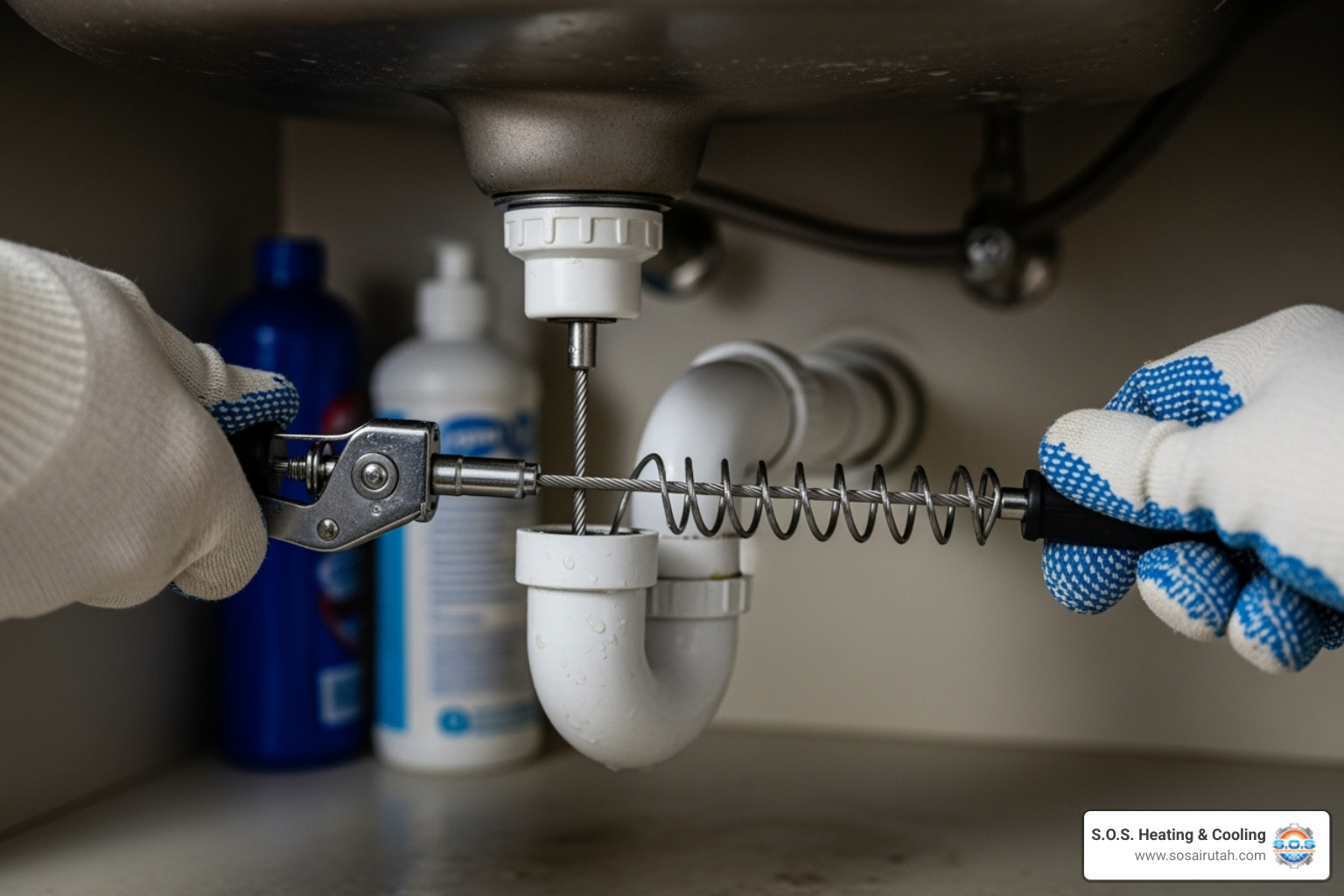
- Place a bucket under the P-trap (the U-shaped pipe under the sink). For easier access, use a wrench to remove the P-trap.
- Feed the snake's end into the drain pipe, rotating the handle as you push.
- When you feel resistance, you've reached the clog. Rotate the snake to break it up or hook onto it.
- Slowly pull the snake back, cleaning it as you go.
- Reassemble the P-trap and run hot water to flush the drain.
Using a drain snake requires patience but is very effective. For additional guidance on snaking techniques, visit our detailed article on How to Snake a Drain to Fix a Clog.
Preventing Future Clogs and Deeper Issues
Once you've successfully cleared a clog, prevention is key. A bit of routine maintenance goes a long way toward avoiding future plumbing headaches. For comprehensive guidance on keeping your drains flowing smoothly, check out these helpful tips on How to Keep Drains From Clogging.
The Dangers of Chemical Drain Cleaners
While tempting, chemical drain cleaners can cause more harm than good. They use corrosive substances that generate intense heat, which can warp PVC pipes and eat away at older metal pipes, leading to leaks. The toxic fumes are a health hazard, and if the cleaner fails to clear the clog, it leaves a dangerous chemical cocktail sitting in your pipes. It's often safer and more effective to stick with mechanical methods.
Understanding Tree Root Intrusion
Not all clogged drain repair problems start inside your home. Sometimes the culprit is lurking underground. Tree roots are drawn to the moisture in sewer lines and can enter through tiny cracks, growing into thick masses that cause major blockages. Older homes with clay or concrete pipes are especially vulnerable.
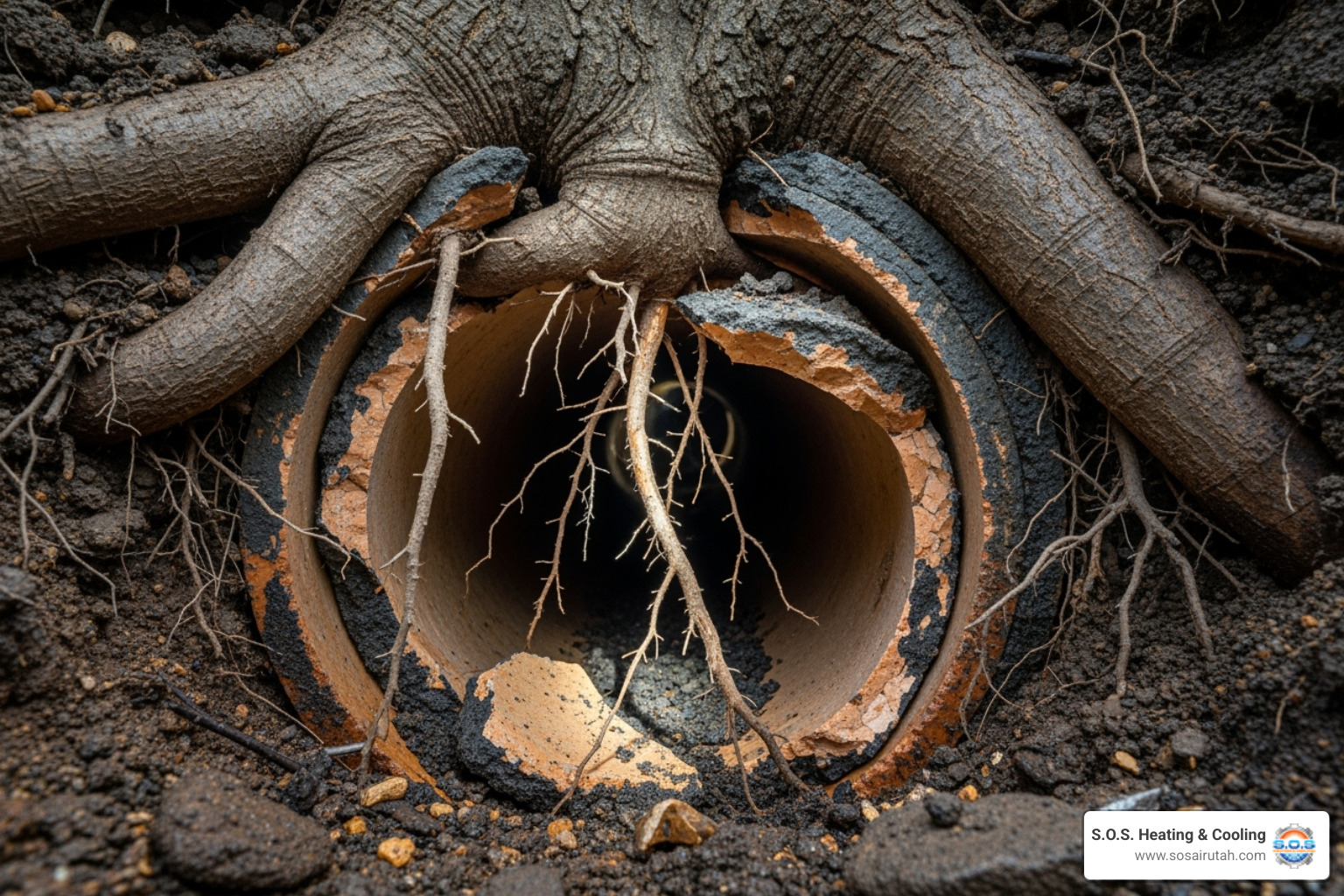
How do you know if roots are your problem? Watch for clogs that keep coming back, gurgling sounds from your toilets, or sewage backing up into your lowest fixtures. This isn't a DIY situation—you'll need professional equipment. We offer proven solutions for tree root sewer blockages.
Simple Prevention Strategies
The good news is that preventing most clogs is surprisingly easy. A few simple habits can keep your drains flowing freely.
- Install drain screens: Use mesh screens in all sinks, showers, and tubs to catch hair and food particles. Clean them weekly.
- Regular hot water flushing: After using the kitchen sink, run hot water for 30 seconds to help flush grease before it can cool and stick.
- Proper disposal habits: Never pour cooking oil or grease down your drain; dispose of it in the trash. Put coffee grounds in the compost or garbage.
- Clean P-traps: Every few months, remove and clean the P-trap under your sinks to clear out any accumulating gunk before it becomes a problem.
When to Call a Professional for Clogged Drain Repair
While DIY methods are great for minor clogs, there comes a point when a professional plumber is the safest and most effective solution for clogged drain repair. Knowing when to call in the experts can prevent further damage.
Recognizing Serious Problems
If you've tried several DIY methods and the clog persists, it's a strong indicator of a deeper issue. It's time to call a professional if you notice these warning signs:
- Persistent or recurring clogs: If a clog returns shortly after you've cleared it, it signals a problem beyond the reach of household tools.
- Multiple drains affected: If your kitchen sink, bathroom toilet, and shower are all backing up, the problem is likely in your main sewer line.
- Sewage backup: Sewage backing up into any drain is a health hazard that requires immediate professional attention.
- Foul odors: Persistent sewage-like smells coming from your drains can point to a main line issue or a broken pipe.
- Gurgling noises: Toilets gurgling when other fixtures are used can indicate a blockage or ventilation problem further down the line.
These are all clear pipe repair warning signs that necessitate professional intervention. For urgent situations in the Salt Lake City area, our emergency plumber salt lake city guide can help.
Advanced Professional Clogged Drain Repair Techniques
When DIY methods fall short, professional plumbers come equipped with advanced tools that make short work of even the most stubborn clogs.
- Hydro jetting: This technique uses high-pressure water streams—sometimes reaching up to 4,000 PSI—to blast away grease, scale, and even tree roots. Unlike snaking, which simply pokes a hole through a blockage, hydro jetting scours the entire pipe wall clean, restoring full flow capacity.
- Video camera inspection: We often use a waterproof camera to see exactly what's causing the blockage and where it's located. This diagnostic step is crucial because it allows us to pinpoint the exact nature of the problem without invasive digging or guesswork.
These advanced techniques allow us to tackle complex blockages, ensuring a long-lasting solution rather than a temporary fix. Learn more about our specialized services in drain cleaning by our professionals.
Frequently Asked Questions about Clogged Drains
We get a lot of questions about clogged drain repair from our Salt Lake City neighbors. Here are answers to some of the most common ones.
How do you dissolve hair in a drain?
While some chemical cleaners claim to dissolve hair, they can damage pipes. A safer and often more effective option is an enzyme-based cleaner. These products use bacteria and enzymes to "eat" organic matter like hair and soap scum. Pour the cleaner down the drain, let it work overnight, and flush with hot water in the morning. For severe hair clogs, a drain snake is the fastest way to physically remove the mass.
What's the difference between a clog and a complete blockage?
This is a great question because understanding the difference helps you know whether you can tackle the problem yourself. The main difference comes down to water flow.
A clog is a partial obstruction where water drains, but slowly. You might stand in a puddle during your shower or watch water slowly swirl down your kitchen sink. These partial obstructions often respond well to DIY methods. A complete blockage means no water flows at all. Instead, it backs up into the fixture. Complete blockages typically need mechanical removal with a drain snake and may indicate a deeper problem needing professional clogged drain repair.
Can I use a pressure washer to clear my own drains?
We get this question more often than you'd think, but we strongly advise against it. Professional hydro jetting equipment uses specialized nozzles engineered to steer and clean pipes safely. A consumer pressure washer lacks these features and can easily generate too much pressure, potentially cracking or bursting your pipes, especially if they are older. This can turn a simple clog into a major plumbing repair. For high-pressure cleaning, it's always best to rely on a trained professional with the right equipment.
Conclusion
Dealing with a clogged drain doesn't have to mean a ruined weekend. As we've explored, many common clogged drain repair situations can be tackled with simple, budget-friendly methods. Whether it's using boiling water for kitchen grease, the baking soda and vinegar fizz, or a trusty plunger, you have a toolkit of solutions at your fingertips. And when those don't cut it, a drain snake can break up stubborn blockages.
The real secret to avoiding drain headaches, though, is prevention. Small daily habits make a huge difference—using drain screens, properly disposing of grease, and giving your drains a regular hot water flush. These simple practices can save you from the inconvenience of a backed-up sink or shower.
But it's equally important to know when to call for help. Persistent clogs, sewage odors, or water backing up in multiple locations are all signs that the problem runs deeper than a simple blockage. Continuing to tackle these issues yourself can lead to more damage.
That's where professional expertise becomes invaluable. Advanced techniques like hydro jetting can blast away years of buildup, while video camera inspections pinpoint exactly what's causing the problem. Sometimes, the smartest DIY decision is recognizing when to hand things over to a professional.
At S.O.S. Heating & Cooling, we've helped countless Salt Lake City families—from Bountiful to Sandy, Millcreek to Layton—steer their plumbing challenges. We believe in empowering you with knowledge while being here when you need professional support.
Whether you're facing a stubborn clog that won't budge or you want to schedule preventive maintenance, we're just a phone call away. Contact us for professional plumbing services whenever you need a helping hand—we're here to make your plumbing problems disappear.
Explore Our Latest Insights and Updates in Plumbing Services
Should You Fix or Flee Your Old AC Unit?
Is Your AC Over-Staged? The Truth About Extra Costs and Benefits
Why Your AC is Working Overtime and How to Stop the Madness