
Trenchless Repair Effectiveness in Utah Clay & Sandy Soils


.avif)

Does Trenchless Repair Work in Clay or Sandy Utah Soil Conditions?
Does trenchless repair work in clay or sandy Utah soil conditions? Yes — in most cases, it works very well. Here is a quick summary before we dive deeper:
Quick Answer:
| Soil Type | Trenchless Compatibility | Best Method |
|---|---|---|
| Expansive Clay | High | Pipe Bursting with HDPE |
| Shifting Sandy | High (with assessment) | CIPP Lining or Pipe Bursting |
| Rocky or Mixed | Moderate | Depends on pipe access |
| Severely Collapsed | Low | Traditional Excavation |
If you are a homeowner in the Salt Lake City area or along the Wasatch Front, your underground sewer pipes are almost certainly sitting in some combination of clay, silt, and sand. Salt Lake City's soil is a well-documented mix of these materials, with many neighborhoods containing expansive clay that swells when wet and shrinks when dry. That constant push and pull puts real stress on underground pipes — and it leaves a lot of homeowners wondering whether modern trenchless repair methods can actually hold up under those conditions, or whether they are just built for easier ground.
The short answer is that trenchless methods like pipe bursting and CIPP lining are specifically designed to handle the kind of ground movement Utah soils produce. The longer answer involves understanding your specific soil type, your pipe's current condition, and which method matches your situation — all of which we cover in detail below.
I'm Bryson Ninow, and while my background is rooted in the trades and home services industry, I've worked closely with Utah homeowners navigating exactly these kinds of underground plumbing questions — including whether trenchless repair works in clay or sandy Utah soil conditions — and I'm here to cut through the confusion with honest, practical answers. Let's get into what you actually need to know.
How Utah’s Clay and Sandy Soils Affect Underground Sewer Pipes
Underneath our manicured lawns and paved driveways lies a complex geological landscape. Because much of the Wasatch Front sits on the ancient bed of Lake Bonneville, our local geology is highly variable. Depending on whether your home is located on the east bench in Cottonwood Heights, down in the valley in Murray, or closer to the lake in Farmington, you are dealing with very different soil dynamics.
To understand how underground pipes fail, we must first look at How Shifting Soils Along the Wasatch Front Damage Sewer Pipes. The physical makeup of the ground surrounding your sewer line dictates how much pressure is placed on the pipe material over time.
Expansive Clay Soil Challenges
Clay is one of the most challenging soil types for any buried infrastructure. Clay particles are incredibly small and tightly packed, meaning they hold onto water tightly. When Utah experiences heavy spring snowmelts or intense rainstorms, this clay absorbs moisture and expands significantly. Conversely, during our hot, dry summer months, the clay dries out, shrinks, and cracks.
This cyclical swelling and contracting places immense external pressure on sewer lines. Brittle, older pipe materials — such as clay pipes common in historic Salt Lake City homes or cast iron pipes in mid-century neighborhoods — simply cannot handle this movement. As the clay shifts, it forces the pipe sections to move, leading to:
- Pipe Misalignment: The joints between pipe sections pull apart, creating offsets where waste can catch.
- Cracking and Fracturing: The sheer lateral force of expanding clay can snap older pipes in half.
- Root Intrusion: Once a joint is slightly separated by shifting soil, tree roots easily find their way inside to access the water source.
Shifting Sandy Soil Challenges
On the opposite end of the spectrum, we have sandy soils, which are highly prevalent in communities like Sandy and parts of Draper. Sandy soil has excellent drainage, but it lacks cohesion. It does not swell when wet, but it is highly prone to erosion and shifting.
If an underground sewer pipe develops even a minor leak, the escaping water will wash away the loose sand surrounding the pipe. Over time, this creates a hollow void beneath the line. Without the structural support of the surrounding soil, the pipe will begin to sag under its own weight, creating what plumbers call a "belly." Standing water pools in these sags, leading to chronic clogs, grease buildup, and eventually, a complete structural collapse of the line.
Does Trenchless Repair Work in Clay or Sandy Utah Soil Conditions?
Now to answer the core question: does trenchless repair work in clay or sandy Utah soil conditions?
The short answer is yes. In fact, trenchless sewer repair is often a much better option for these challenging soils than traditional open-trench excavation. To understand why, we have to look at the two primary trenchless techniques: pipe bursting and Cured-in-Place Pipe (CIPP) lining. If you are trying to determine which method fits your property, keeping some Pipe Repair Salt Lake City Tips in mind will help you make an informed decision.
How Pipe Bursting Performs: Does Trenchless Repair Work in Clay or Sandy Utah Soil Conditions?
Pipe bursting is a highly physical process. We dig two small access pits — one at the start of the line and one at the exit. We then pull a heavy, cone-shaped steel bursting head through the existing damaged pipe. As the bursting head is pulled through by a hydraulic puller, it fractures the old, brittle pipe (whether it is clay, cast iron, or concrete) and pushes the fragments directly into the surrounding soil. Simultaneously, it pulls a brand-new, seamless High-Density Polyethylene (HDPE) pipe into place behind it.
- Performance in Clay: Pipe bursting performs exceptionally well in clay. Because clay is cohesive, it holds its shape well during the bursting process. The bursting head easily displaces the clay to make room for the new pipe. Once installed, the new HDPE pipe is incredibly flexible, allowing it to bend and flex with the seasonal swelling and contracting of the clay without cracking or separating.
- Performance in Sand: In sandy soils, there is always a risk that the loose sand will cave in around the pipe as it is being replaced. However, because the new HDPE pipe is pulled through at the exact same time the old pipe is being broken apart, the sand has no opportunity to collapse into the path. The seamless design of the new pipe also ensures that shifting sands cannot infiltrate the line in the future.
How CIPP Lining Performs: Does Trenchless Repair Work in Clay or Sandy Utah Soil Conditions?
Cured-in-Place Pipe (CIPP) lining, often called pipe lining, is a rehabilitative process. Instead of replacing the pipe, we insert an epoxy-saturated felt liner inside the existing pipe. Once in place, we inflate the liner with air or water, forcing it against the inner walls of the host pipe. The epoxy is then cured (hardened) using heat or UV light, creating a smooth, jointless, and structurally sound "pipe within a pipe."
- Performance in Clay and Sand: CIPP lining works beautifully in both clay and sandy soils, provided that the existing pipe is still structurally intact enough to support the liner. Because CIPP relies on the host pipe to act as a mold, the existing line cannot be fully collapsed or severely offset. If the pipe is simply cracked, corroded, or compromised by roots due to shifting soil, the new epoxy liner creates an impervious barrier that seals out roots and easily withstands the external pressures of both heavy clay and shifting sand.
Key Challenges and Soil-Specific Risks Along the Wasatch Front
While trenchless technology is highly effective, executing these repairs along the Wasatch Front requires a deep understanding of our unique regional risks. What works in a mild climate with stable loam soil might face complications in Davis County or Salt Lake County. To truly understand what is happening beneath your yard, a professional Sewer Line Camera Inspection What It Reveals is the essential first step.
Freeze-Thaw Cycles and Soil Movement
Utah’s climate is famous for its extremes. Our winters bring deep freezes, while our summers are hot. This creates a severe freeze-thaw cycle that penetrates deep into the ground.
When moisture in the clay or sandy soil freezes, it expands, causing "frost heave." This upward movement of the soil can bend and pull at buried utility lines. When the ground thaws in the spring, the soil settles unevenly. If your sewer line is constructed of traditional pipe sections joined together by rubber couplings or clay collars, this constant seasonal movement will eventually tear the joints apart. Trenchless materials, being seamless, eliminate these vulnerable joints entirely, preventing joint separation under seasonal stress.
When Traditional Excavation is Still Preferred
As much as we love trenchless technology for its ability to save beautiful Utah yards, driveways, and mature trees, it is not a magic wand for every single sewer problem. There are specific soil-related scenarios where traditional open-trench excavation is still the preferred — and sometimes only — viable option:
- Severely Collapsed Pipes: If the surrounding clay has completely crushed a section of the old pipe, or if shifting sand has allowed a pipe to collapse entirely, we cannot pass a camera, a bursting head, or a lining tube through the blockage. In this case, we must dig to physically clear the obstruction and replace that section.
- Severe Pipe Bellies (Sags): If shifting sandy soil has washed away, causing a massive sag in the sewer line, simply lining or bursting the pipe will not fix the problem. A new liner or a burst pipe will simply follow the existing sag, meaning you will still have a low point where waste pools. To correct a severe belly, we must excavate the area, re-grade the soil, lay down a stable gravel bedding, and install the new pipe at the correct slope.
- Significant Offsets: If the clay soil has shifted so violently that the pipe joints are offset by several inches, a lining sleeve cannot negotiate the sharp, broken edge, and a bursting head might get deflected off course.
Best Trenchless Materials and Preventive Measures for Utah Soils
To ensure that a trenchless sewer repair lasts for generations in Utah’s demanding soils, we must use the highest quality materials and follow strict diagnostic protocols. If you are planning a repair, consulting a comprehensive resource like the Sewer Line Repair Salt Lake Guide 2025 can help you understand the long-term value of these modern materials.
High-Density Polyethylene (HDPE) Durability
When it comes to pipe bursting, High-Density Polyethylene (HDPE) is the undisputed champion. HDPE is a incredibly tough, flexible plastic. During installation, individual sections of HDPE pipe are thermally fused together using heat, creating a joint that is actually stronger than the pipe itself.
This seamless design offers massive advantages in Utah soils:
- Zero Joints: Because there are no joints, there are no weak points for shifting clay to pull apart, and no gaps for sandy soil or tree roots to enter.
- Incredible Flexibility: HDPE can bend and flex to absorb ground movement from clay expansion, seismic activity, or frost heave without breaking.
- Corrosion Resistance: Unlike cast iron or concrete, HDPE is completely impervious to sewer gases, acidic soils, and rust.
- Lifespan: HDPE pipes have an expected service life of 50 to 100 years.
Pre-Repair Inspections and Soil Assessments
We never guess when it comes to underground utilities. Before recommending any trenchless solution, we perform a thorough high-definition camera inspection. This allows us to see the exact condition of the pipe interior, locate any offsets, sags, or collapses, and determine the precise depth of the line.
Additionally, we evaluate the surrounding environment. Are there mature oak or maple trees nearby whose roots are putting pressure on the line? Is the home located on a steep slope in Bountiful or Millcreek where soil creep might be an issue? By combining advanced camera diagnostics with an understanding of local soil dynamics, we can choose the exact trenchless method that guarantees a permanent fix.
Frequently Asked Questions about Utah Soil and Trenchless Repair
Can trenchless sewer repair handle the heavy clay soil in Salt Lake County?
Yes, absolutely. In fact, trenchless pipe bursting is highly recommended for the heavy, expansive clay soils found throughout Salt Lake County. Because the new HDPE pipe pulled into place is seamless and highly flexible, it easily absorbs the constant swelling and contracting of the surrounding clay. Unlike older clay or cast iron pipes, it will not crack, snap, or separate at the joints when the ground shifts. For more details on localized solutions, check out our Pipe Repair Guide Sandy UT.
What happens to a trenchless pipe liner when sandy soil shifts?
If you choose CIPP (Cured-in-Place Pipe) lining, the epoxy resin cures into a incredibly strong, self-supporting structural pipe inside your old line. Even if the surrounding sandy soil shifts or erodes slightly, the hardened epoxy liner is strong enough to support its own structural weight and the weight of the soil above it. Because it is completely seamless, there are no joints where shifting sand can infiltrate and clog your sewer line.
How long do trenchless repairs last in Utah's extreme climate?
Trenchless repairs are engineered for incredible longevity. Both HDPE pipes (used in pipe bursting) and epoxy resin liners (used in CIPP lining) have a projected lifespan of 50 to 100 years. These modern, advanced materials are completely unaffected by Utah’s dramatic freeze-thaw cycles, rust, corrosion, and tree root intrusion, making them a much more durable, long-term solution than traditional pipe materials.
Conclusion
Dealing with a damaged sewer line is stressful enough without the added worry of a backhoe tearing up your beautiful yard, destroying your driveway, or taking weeks to complete.
At S.O.S. Heating & Cooling, we are proud to provide advanced, minimally invasive trenchless sewer solutions to homeowners across the Wasatch Front — from Layton down to Draper. Whether your home is sitting on the heavy, expansive clay of Salt Lake County or the shifting, sandy soils of the east bench, our experienced team has the specialized equipment and local expertise to restore your sewer system quickly and cleanly.
We are committed to making the process as smooth and stress-free as possible. That is why we offer 24/7 emergency services, flexible financing options to fit your budget, and absolutely no evaluation fees during our standard business hours.
If you suspect your sewer line has been compromised by shifting Utah soils, do not wait for a complete backup to occur. If you live in Millcreek or the surrounding areas, let us help you Fix Sewer Line Millcreek UT the smart way. Contact us today to schedule your high-definition camera inspection and let our family take care of yours!

Plumbing
Expert plumbing services offering reliable repairs, installations, maintenance, and emergency support.

Air Conditioning
Comprehensive air conditioning services include installation, repairs, maintenance, and energy-efficient solutions.
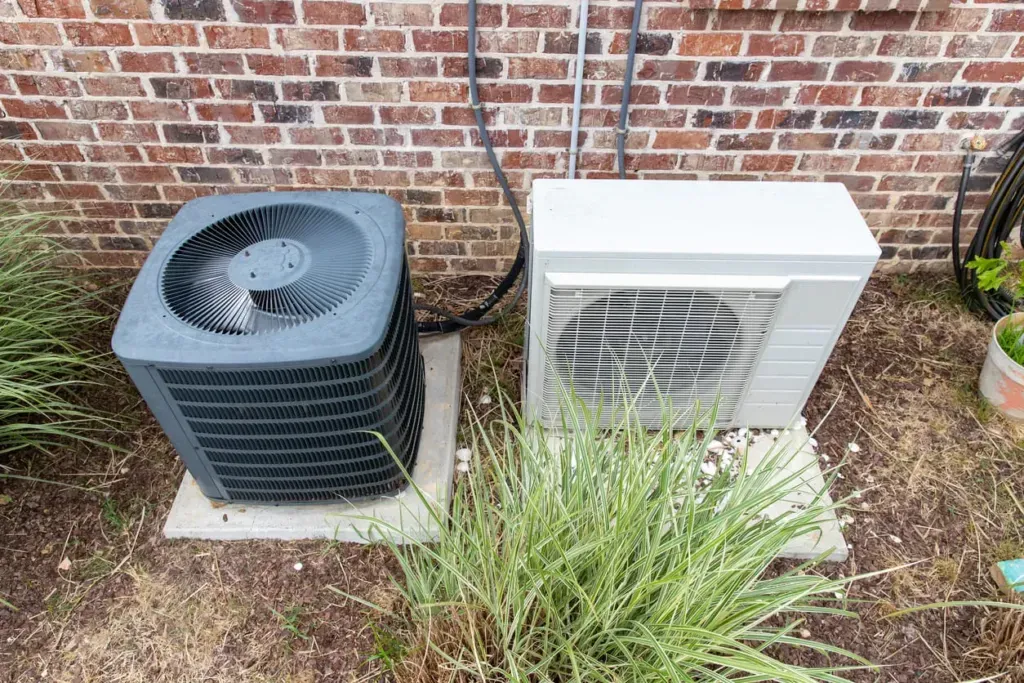
Heat Pumps
Enjoy year-round comfort with our energy-efficient and professional heat pump solutions.

Indoor Air Quality
Enhance your home’s air with our cutting-edge indoor air quality solutions you can trust.

Fireplaces
Transform your space into a warm and cozy atmosphere with our professional fireplace services.

Heating
Specialized heating services provide reliable installation, repair, system maintenance, and energy-optimization solutions.
Explore Our Latest Insights and Updates in Plumbing Services
How Freeze-Thaw Cycles Stress Utah Sewer Lines (and How to Avoid Damage)
How to Fix AC Leaking Water Inside Your Utah Home