

Emergency Furnace Repair & More: Your Guide to Nearby HVAC & Plumbing Pros


.avif)

Why a Working Furnace Matters When Winter Hits
Furnace replacement near me is one of the most common searches homeowners make when their heating system fails. If you're looking for local HVAC professionals who can replace your furnace quickly and reliably, you need to know what to look for, when replacement makes sense, and how to find qualified contractors in your area.
Quick Answer: Finding Furnace Replacement Services Near You
- Check for proper licensing - Verify contractors hold DOPL, EPA, and NATE certifications
- Get multiple quotes - Compare at least 3 estimates from experienced local installers
- Verify insurance and bonding - Protect yourself from liability during installation
- Read local reviews - Look for contractors with strong ratings on Google and the BBB
- Ask about warranties - Ensure both equipment and labor are covered
- Confirm financing options - Many contractors offer flexible payment plans for large replacements
For homeowners in Salt Lake City and surrounding areas like Sandy and Draper, a reliable furnace replacement service is crucial for Utah's cold winters. A furnace typically lasts 15 to 30 years, but when it reaches the end of its lifespan, you need a local professional who can diagnose the problem, recommend the right replacement, and complete the installation properly.
Whether your furnace is over 15 years old, requiring frequent repairs, or driving up your energy bills, replacement might be your best option. Newer, high-efficiency models can reduce your heating costs while improving your home's comfort and safety.
I'm Bryson Ninow, and I've been helping families throughout the Wasatch Front with furnace replacement near me situations for years. My focus is on helping homeowners understand their options, steer rebate programs, and find the right high-efficiency system for their home and budget.
Is It Time for a New Furnace? Key Signs and Lifespan
How do you know if your heating system is on its last legs or just needs a tune-up? Understanding the warning signs and typical lifespan of your furnace can save you from a cold surprise and costly emergency repairs.
What are the signs that indicate I need to replace my furnace?
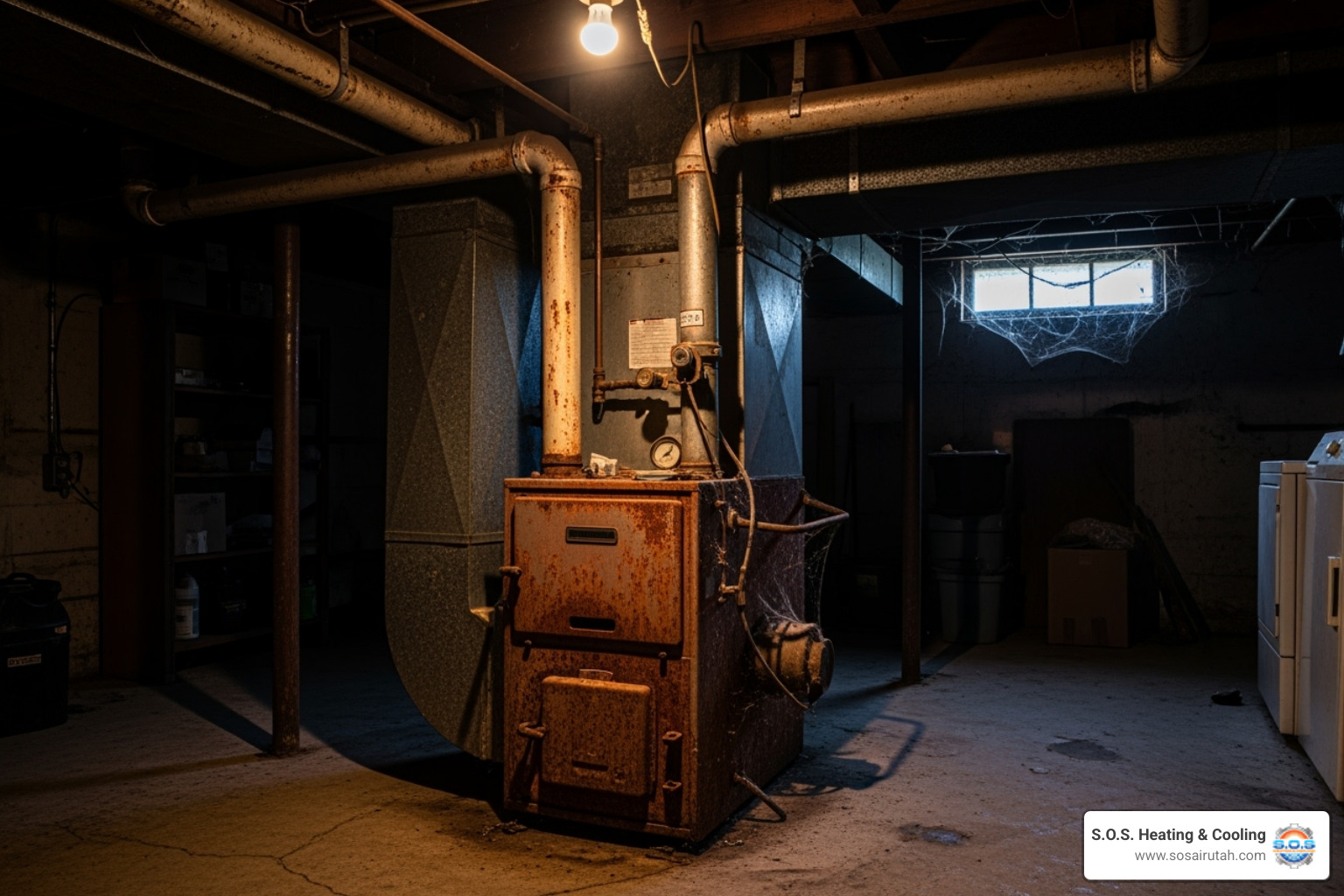
Your furnace will show signs of age before it fails completely. Recognizing these warnings can help you plan for a replacement before you're left in the cold.
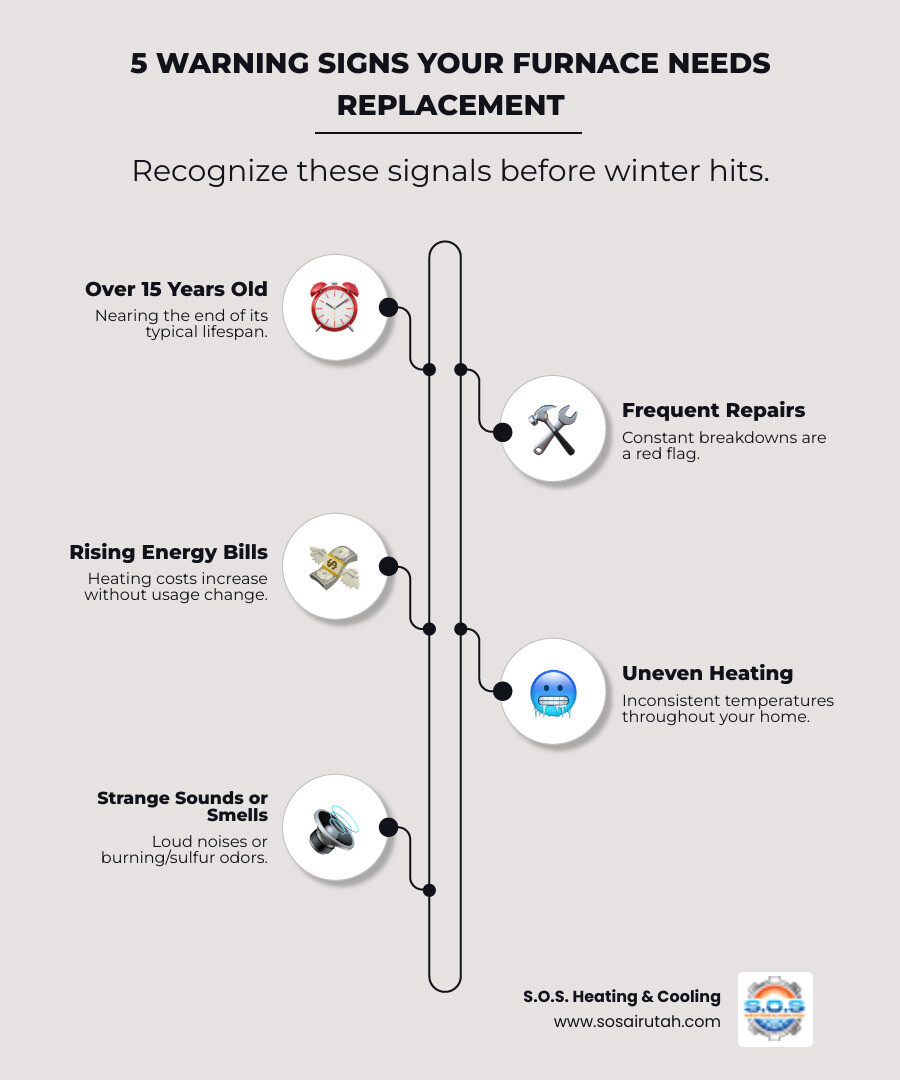
- Age: If your furnace is over 15 years old, its efficiency has likely dropped, and components are more prone to failure.
- Frequent Breakdowns: If you're calling for repairs often, replacement may be the more cost-effective choice. When a single repair costs more than half the price of a new unit, it's time to consider an upgrade.
- Rising Energy Bills: An aging furnace works harder and burns more fuel to produce the same amount of heat, which shows up on your utility bill.
- Yellow Pilot Light: For gas furnaces, a healthy flame is blue. A yellow or flickering pilot light can indicate incomplete combustion, which may produce carbon monoxide. This is a safety hazard—turn off your furnace and call a professional immediately.
- Strange Noises or Smells: Grinding, squealing, or banging sounds indicate mechanical problems. Unusual smells, like burning plastic or rotten eggs (a potential gas leak), require immediate attention.
- Uneven Heating: If some rooms are toasty while others are cold, your furnace is no longer distributing heat effectively.
- Poor Air Quality: Excessive dust or dryness can be a sign that your aging furnace is not filtering the air properly.
How long do furnaces typically last, and when is it time for a replacement?
The average furnace lifespan is 15 to 30 years. This range depends on the fuel type, brand quality, and how well it has been maintained. A good rule of thumb is to start seriously considering a furnace replacement near me when your unit passes the 15-year mark and begins needing frequent repairs. If a single repair costs half or more than a new system, investing in a new, more efficient furnace with a fresh warranty is the better long-term decision.
What is the typical lifespan of different furnace types?
Not all furnaces age the same way; the fuel source is a major factor in longevity.
- Gas Furnaces: These are the most common type in the Salt Lake City area and typically last 15 to 25 years. Their lifespan depends heavily on proper installation and annual maintenance.
- Electric Furnaces: With fewer moving parts and no combustion, electric furnaces often have the longest lifespan, reaching 20 to 30 years.
- Oil Furnaces: These systems generally last 15 to 25 years but require more frequent maintenance to manage soot buildup.
- Propane Furnaces: Found in areas without natural gas lines, their lifespan is similar to natural gas units, usually between 15 to 20 years.
Regardless of the type, consistent professional maintenance is the best way to help your furnace reach the upper end of its expected lifespan.
Understanding Your Options: Furnace Types and Technology
When you're searching for a furnace replacement near me, you'll encounter different fuel sources, efficiency ratings, and technologies. Understanding the basics will help you choose the right furnace for your home.
What are the different types of furnaces available and what are their pros and cons?
The fuel your furnace uses affects its performance, running costs, and maintenance needs.
- Gas Furnaces: The most popular choice in the Wasatch Front, gas furnaces heat homes quickly and are generally cost-effective to operate. They require a gas line and proper venting.
- Electric Furnaces: These are simple to install and don't carry a risk of carbon monoxide. However, their monthly operating costs are typically higher in Utah due to electricity prices.
- Oil Furnaces: Less common in our area, oil furnaces produce intense heat but require an on-site storage tank and more frequent maintenance.
- Propane Furnaces: A great option for rural homes without natural gas access, they perform similarly to natural gas furnaces but use propane stored in a tank.
Here's how these systems compare:
| Feature | Gas Furnace | Electric Furnace | Oil Furnace | Propane Furnace |
|---|---|---|---|---|
| Installation | Moderate (gas line, venting) | Easiest (electrical connection) | Complex (oil tank, venting) | Moderate (propane tank, venting) |
| Operating Efficiency | High (especially modern high-efficiency units) | Very High (but high electricity cost) | Moderate (can be less efficient over time) | High (similar to natural gas, but higher cost) |
| Climate Suitability | Excellent for cold climates | Best for mild climates (higher operating cost in cold) | Excellent for cold climates | Excellent for cold climates |
| Maintenance | Moderate (annual checks) | Low (fewer moving parts, no combustion) | High (soot cleaning, fuel filter) | Moderate (annual checks, tank refills) |
What is the difference between a furnace and other home heating systems?
While many people use the term "furnace" generically, it refers to a specific type of system.
- A furnace heats air and uses a blower to push it through ductwork. If your home has vents that blow warm air, you have a furnace.
- A boiler heats water, creating hot water or steam that circulates through pipes to radiators or baseboard heaters.
- A heat pump moves heat instead of creating it. In winter, it extracts heat from the outside air and brings it inside. In summer, it reverses the process for cooling.
What is the difference in efficiency between high-efficiency furnaces and standard models?
Furnace efficiency is measured by its AFUE (Annual Fuel Utilization Efficiency) rating. This percentage tells you how much of the fuel your furnace burns is converted into usable heat.
- Standard efficiency furnaces, especially older models, have AFUE ratings between 60% and 80%. An 80% AFUE rating means 20 cents of every dollar you spend on fuel is wasted.
- High-efficiency furnaces boast AFUE ratings of 90% to 98.5%. A furnace with a 96% AFUE rating wastes only 4% of its fuel.
When shopping for a furnace replacement near me, look for ENERGY STAR® certified models. These units meet strict EPA efficiency guidelines and can significantly reduce your energy consumption. They often include features like variable-speed blowers that provide more consistent temperatures and operate quietly. While the upfront cost is higher, the long-term energy savings and available rebates make them a wise investment.
The Furnace Replacement Process and Its Benefits
Deciding on a furnace replacement near me is a big step, but understanding the process and benefits makes it much more manageable. A new furnace improves your home's comfort, lowers your bills, and provides peace of mind.
How long does the furnace installation process typically take?
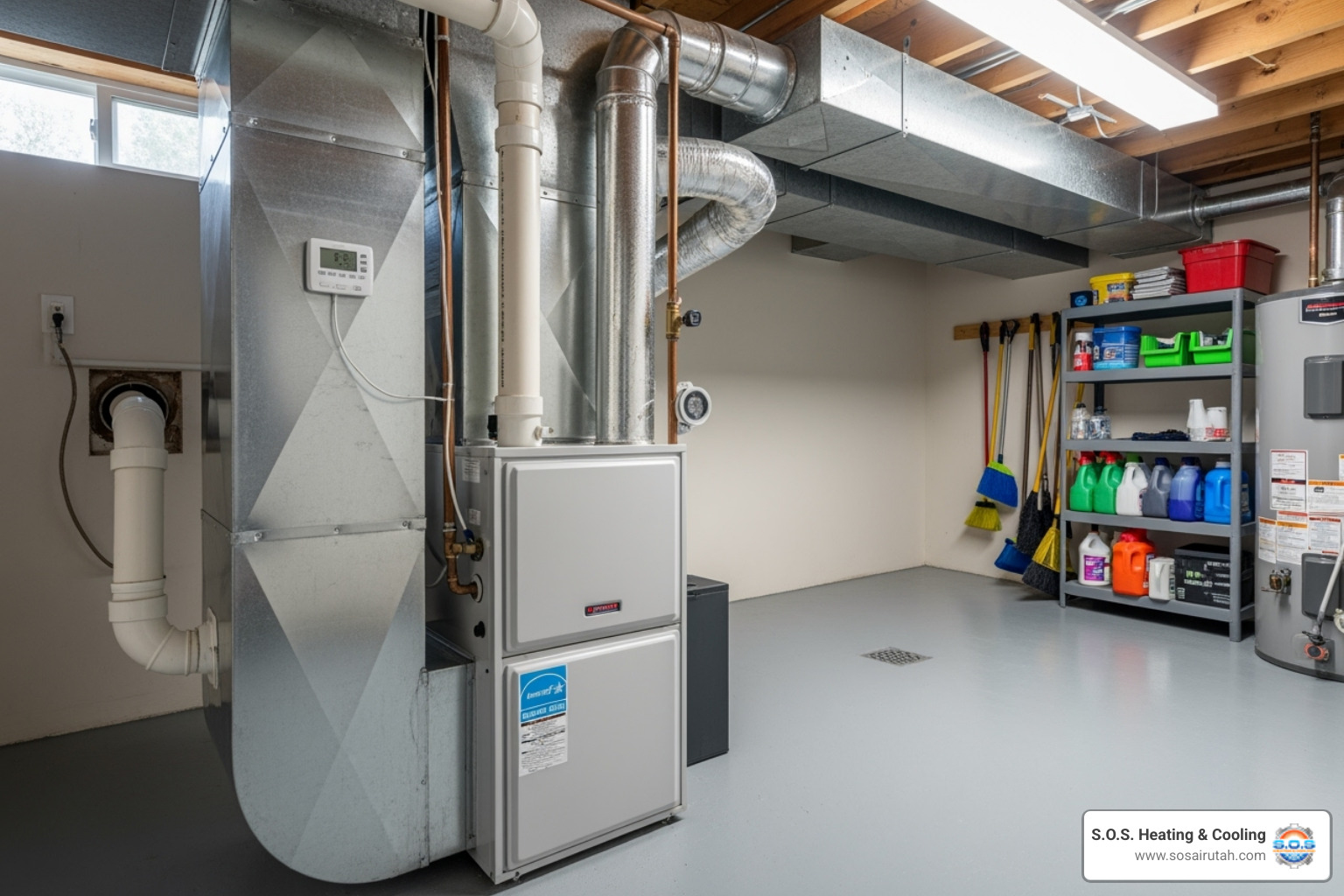
A typical furnace replacement can usually be completed in a single day, taking between 4 to 10 hours. More complex installations, such as those involving a fuel type change, ductwork modifications, or electrical upgrades, may take longer. We will always provide a clear timeline during your consultation so you know what to expect.
Should I replace my furnace during the off-season?
Yes, replacing your furnace during the spring or fall is almost always the smarter choice. The benefits include:
- Flexible Scheduling: HVAC contractors have more availability, making it easier to book an appointment that works for you.
- Avoiding an Emergency: A proactive replacement prevents the stress and discomfort of a furnace failure on the coldest day of the year.
- Potential Savings: Some contractors may offer off-season promotions to keep their crews busy.
What are the benefits of upgrading to a new, energy-efficient furnace?
Upgrading to a new furnace is one of the best investments you can make for your home.
- Lower Energy Bills: A modern high-efficiency model can reduce your heating costs by up to 45%.
- Improved Home Comfort: New systems deliver more consistent heating, eliminating cold spots and operating more quietly.
- Increased Reliability: A new system with a warranty provides peace of mind and ends the worry of unexpected breakdowns.
- Better Indoor Air Quality: Modern furnaces can be paired with advanced filtration and humidification systems to remove allergens and dust.
- Improved Safety Features: New furnaces include advanced sensors and shut-off mechanisms that reduce safety risks like carbon monoxide leaks.
How does furnace installation affect my home's energy bills?
A properly installed, energy-efficient furnace lowers your energy bills through several key factors. The high-efficiency rating (AFUE) ensures less fuel is wasted. Proper sizing, determined by a professional load calculation, prevents the furnace from running inefficiently. Sealing leaks in your ductwork ensures heated air reaches your rooms. Finally, a smart thermostat helps you optimize your heating schedule to save energy.
What maintenance is recommended for a new furnace to ensure its longevity?
Regular care is essential to protect your investment and ensure your new furnace performs well for years.
- Schedule Annual Professional Tune-ups: This is the most important step. A technician will clean components, test safety controls, and ensure peak efficiency.
- Change Your Air Filter Regularly: A clogged filter reduces efficiency and strains your system. Check it monthly and replace it every 1-3 months.
- Keep Vents Clear: Make sure furniture and rugs are not blocking airflow from your supply or return vents.
Proactive maintenance is the best way to protect your investment. For more detailed guidance, you can click here for more on HVAC maintenance.
Finding a Qualified Professional for Furnace Replacement Near Me
When it's time for an upgrade, finding a trustworthy professional is crucial for keeping your family warm and safe. Here's how to find a qualified contractor for your furnace replacement near me and what to ask before making a decision.
How do I choose a reputable contractor for furnace replacement near me?
Finding the right contractor involves a few key steps to ensure you hire someone qualified and experienced.
- Check Licensing and Insurance: Verify the contractor holds a valid DOPL license for work in Utah, is EPA certified, and carries liability insurance. NATE certification is an added sign of expertise.
- Read Online Reviews: Look for contractors with strong ratings on Google and the Better Business Bureau to gauge customer satisfaction.
- Ask for Local References: A reputable company should be able to provide references from satisfied customers in your area.
- Get Multiple Quotes: We recommend getting at least three detailed estimates. Compare the proposed equipment, scope of work, and warranties, not just the final price.
- Choose a Company with Local Expertise: A contractor with years of experience in the Salt Lake City area will understand local building codes, climate challenges, and have a community reputation to uphold.
What questions should I ask before hiring for a furnace replacement near me?
Before signing a contract, ask your potential contractor these important questions:
- How long have you been installing furnaces? Can you provide local references?
- What is the AFUE rating of the furnace you recommend? Is it ENERGY STAR® qualified?
- Will you perform a Manual J load calculation to ensure the furnace is sized correctly?
- What do the equipment and labor warranties cover?
- Will my existing ductwork, electrical panel, or gas lines need to be modified?
- Will you handle all necessary permits and inspections?
- What is the estimated timeline and payment schedule?
- Are there any rebates, tax credits, or financing options available?
- Do you offer maintenance plans for new furnaces?
A good contractor will welcome these questions and provide clear answers.
Are there any rebates, tax credits, or financing options available?
Yes, several programs can make your furnace replacement near me more affordable.
- Federal Tax Credits: These are sometimes available for homeowners who install high-efficiency, ENERGY STAR® certified equipment. It's always worth checking for current programs.
- Local Utility Rebates: Many Utah utility companies offer rebates for upgrading to energy-efficient furnaces to encourage conservation.
- Manufacturer Promotions: Furnace manufacturers often offer seasonal rebates or special pricing on certain models.
- Financing Options: Many reputable HVAC companies, including S.O.S. Heating & Cooling, offer flexible financing. This allows you to get a new, efficient furnace now and pay for it over time.
Ask your contractor about all available options during your consultation to maximize your savings.
Conclusion: Stay Warm with a Reliable Local Pro
When your furnace fails, the search for a furnace replacement near me can feel urgent. This guide has covered the key signs that it's time for an upgrade, the different types of furnaces, and the benefits of a new high-efficiency system—from lower energy bills to improved comfort and safety. We've also outlined how to find a qualified contractor and what to expect during the installation.
A new, properly installed furnace is an investment in your family's comfort and safety. For homeowners across the Wasatch Front—from Sandy and Draper to Salt Lake City—a reliable heating system is essential for our cold winters.
At S.O.S. Heating & Cooling, we are committed to providing exceptional service. Our certified technicians bring years of local expertise to every project, ensuring your new system is sized and installed correctly. We offer 24/7 emergency service, priority service for our partners, no evaluation fees during business hours, and flexible financing to make your replacement as stress-free as possible.
Whether you're facing an emergency or planning an upgrade, we're here to help.
Ready for a furnace replacement in Sandy, UT? Contact us for a consultation! Let's make sure your home stays warm and comfortable all winter long.
Explore Our Latest Insights and Updates in Plumbing Services
Don't Sweat the Bill: Easy Hacks to Keep Your Home Chilled

The Magic of Cold Air and How Your AC Makes It
How Your AC Moves Heat from Inside to Out