

The Ultimate Guide to Heating System Upgrades: Boost Comfort & Cut Costs


.avif)

Why Heating System Upgrades Matter for Your Home's Comfort and Budget
Heating system upgrades can transform your home's comfort while significantly reducing your energy bills. If you're considering an upgrade, here's what you need to know:
- Boost Efficiency: Modern systems operate at 90-95% efficiency or higher, compared to older units at 56-70%
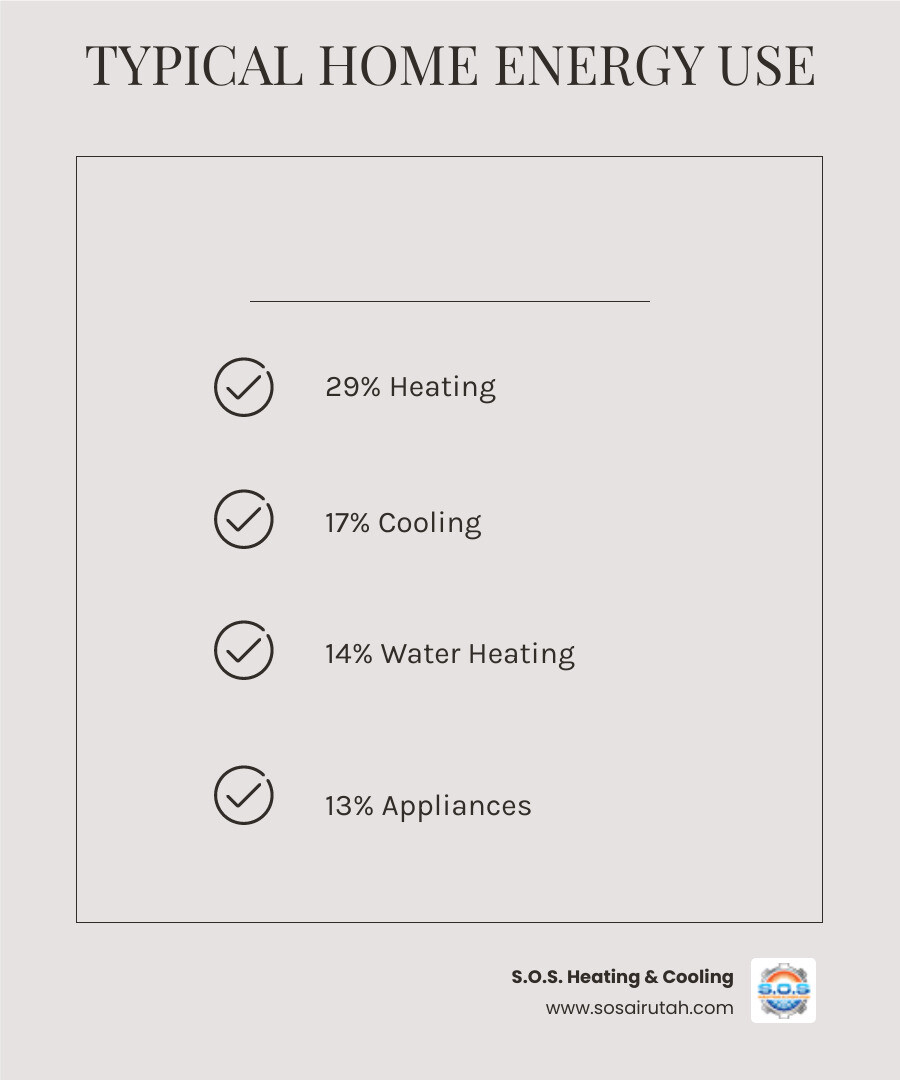
- Lower Utility Bills: Upgrading can save you hundreds of dollars annually, as heating typically makes up 29% of your utility bill
- Improve Comfort: New systems provide more consistent warmth and better temperature control throughout your home
- Reduce Repairs: Eliminate the hassle and expense of frequent breakdowns
- Access Incentives: Federal tax credits offer up to $3,200 in savings for energy-efficient upgrades
Your home's heating system works harder than any other system in your house, consuming more energy and costing more money than anything else—typically accounting for about 29% of your utility bill. When that system is outdated or struggling, you're not just uncomfortable; you're literally watching money go up the chimney. An older furnace operating at 70% efficiency wastes 30 cents of every dollar you spend on fuel, while a modern high-efficiency system wastes only about 5 cents per dollar.
The good news? Today's heating technology offers remarkable improvements in efficiency, comfort, and reliability. High-efficiency furnaces and boilers can reach 95% efficiency or higher, while heat pumps can deliver up to three times more heat energy than the electrical energy they consume. Combined with proper insulation, air sealing, and smart thermostat settings, these upgrades can save about 30% on your energy bill while reducing environmental emissions.
For Salt Lake City homeowners, heating system upgrades aren't just about staying warm during Utah's harsh winters—they're about making a smart investment that pays dividends in comfort, savings, and peace of mind for years to come.
I'm Bryson Ninow, and over my years in the HVAC industry, I've helped countless families steer heating system upgrades with integrity and transparency, ensuring they get the right system for their home and budget. My expertise in energy efficiency and heat pump technology has allowed me to guide homeowners through rebate programs and high-efficiency equipment selection, making upgrades more affordable while maximizing long-term comfort and savings.
Quick look at heating system upgrades:
- My furnace stopped working. Who offers 24/7 emergency heating repair in Salt Lake City?
- heating repair sandy
Is It Time for an Upgrade? Key Warning Signs
Your heating system usually gives you plenty of warning before it completely gives up. The trick is knowing what to look for—and taking action before you're left shivering in the middle of a Utah winter.
Think of these warning signs as your furnace's way of waving a white flag. It might keep limping along for a while, but the longer you wait, the more uncomfortable (and expensive) things get.
Your System's Age and Repair Frequency
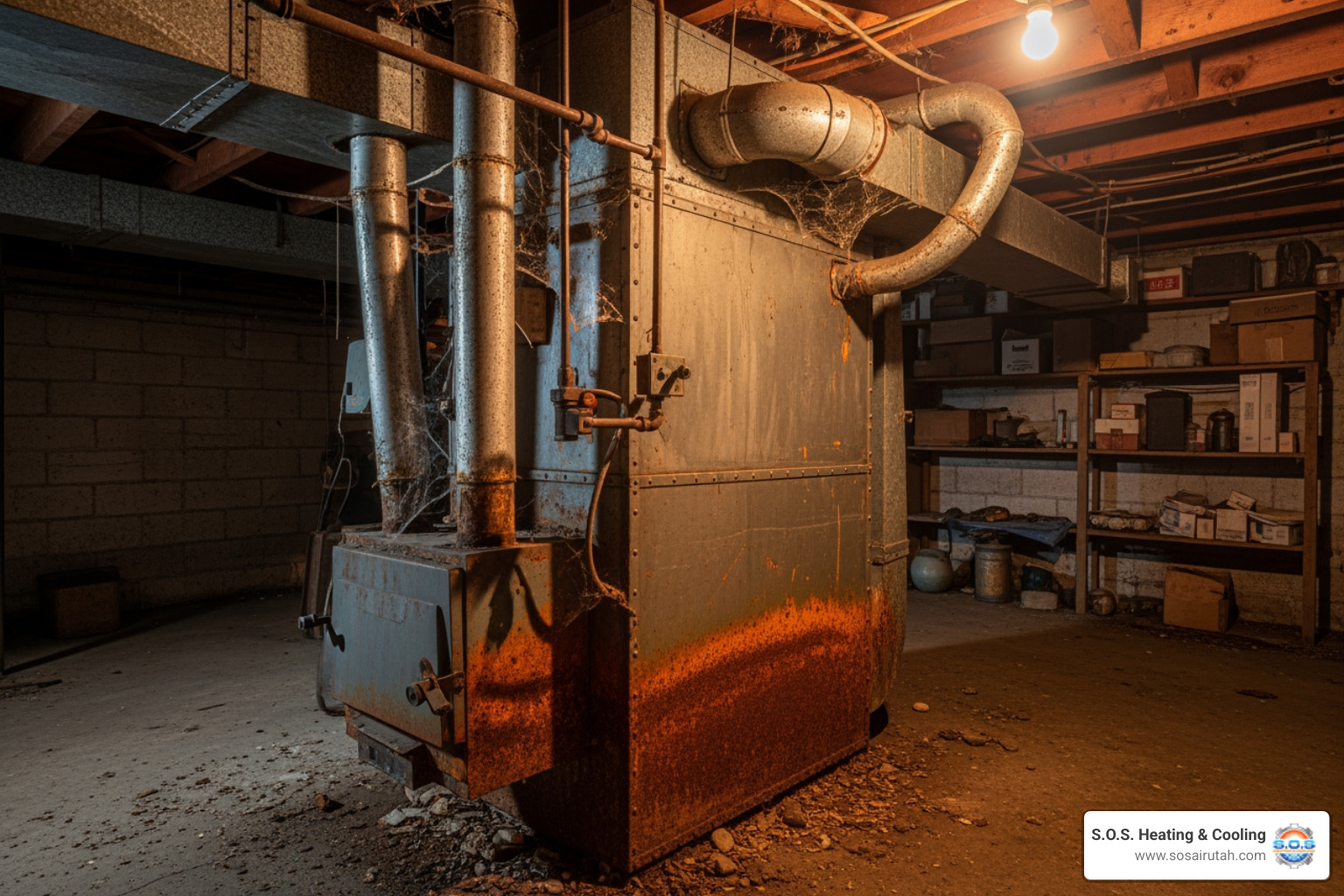
Let's start with the obvious: how old is your heating system? If your furnace has been faithfully serving your family for 10 to 12 years or more, it's entering the zone where replacement starts making more sense than repairs. Boilers typically last longer—sometimes 20 to 30 years—but they're not immortal either.
Here's the thing about older systems: they weren't built with today's efficiency standards in mind. Even if your 15-year-old furnace is still technically "working," it's probably costing you a small fortune in wasted energy. And as components age, they become more prone to failure, meaning you're playing a game of heating system roulette every winter.
Are you calling us (or any HVAC company) for repairs multiple times a year? That's your system telling you something important. When repair bills start adding up—especially if you're facing major component replacements—it's time to do the math. Sometimes throwing good money after bad just doesn't make sense, especially when a new, reliable system can give you decades of worry-free warmth.
Beyond the financial strain, there's something to be said for peace of mind. Nobody wants to deal with an emergency breakdown when temperatures drop below freezing and your family needs heat the most.
Declining Performance and Comfort
Age isn't the only telltale sign that heating system upgrades are in your future. Your daily experience at home speaks volumes about what's happening behind the scenes.
Take a look at your energy bills. If they've been creeping steadily upward despite similar usage patterns, your system is working harder and burning more fuel to do the same job. An inefficient furnace is like a car with bad gas mileage—you're paying more to go nowhere fast. Older systems with low AFUE ratings waste a substantial chunk of every dollar you spend on heating, sending your hard-earned money straight up the chimney.
Have you noticed uneven heating throughout your home? Maybe your living room feels toasty while your bedroom stays stubbornly cold. These hot and cold spots usually mean your system can't effectively distribute heat anymore, or it was never properly sized for your home in the first place. Your family shouldn't need to bundle up in one room while sweating in another—that's not comfort, that's survival mode.
Pay attention to how long it takes your furnace to warm up your home. If it's running constantly but struggling to reach the temperature you've set on your thermostat, something's wrong. An undersized or failing system works overtime just to keep up, which accelerates wear and tear while driving up your energy consumption.
Indoor air quality issues often fly under the radar, but they're just as important. Does your home feel unusually dusty during heating season? Are you dealing with excessive dryness or unexpected humidity? An aging system might not be filtering air properly, which can aggravate allergies and respiratory issues for your family.
Finally, trust your ears. Your heating system should run quietly in the background—if you're hearing strange noises like banging, rattling, squealing, or grinding, something's mechanically wrong. These sounds are your system's cry for help, and they shouldn't be ignored. Worn-out components don't fix themselves, and what starts as an annoying noise can quickly become a complete breakdown.
If any of these warning signs sound familiar, give us a call. We can take a look at your current system and give you an honest assessment of whether a repair makes sense or if it's time to start fresh with a modern, efficient heating system that'll keep your Salt Lake City home comfortable for years to come.
Understanding Your Options: Types of Modern Heating Systems
When you start exploring heating system upgrades, you'll quickly find that today's options offer a lot more than just "warm air blowing through vents." The good news is that modern heating technology has come a long way, offering superior efficiency, better comfort, and features that older systems could only dream about. The challenge? Figuring out which system makes the most sense for your Salt Lake City home.
Your best choice depends on several factors: the size and layout of your home, Utah's climate (those cold winters!), what fuel sources are available in your neighborhood, your existing infrastructure (like ductwork), and what you value most—whether that's energy savings, consistent comfort, or environmental impact.
Furnaces and Boilers
Let's start with the classics. Furnaces and boilers have been keeping homes warm for generations, and today's versions are light-years ahead of what your grandparents had in their basements.
Furnaces are forced-air systems that heat air and blow it throughout your home using a network of ducts and vents. If you have central air conditioning, chances are it's already using the same ductwork your furnace does—a convenient two-for-one setup. Modern high-efficiency furnaces, particularly the condensing models, are impressive performers. They can achieve AFUE ratings of 90% or higher, meaning they convert nearly all their fuel into usable heat instead of sending it up the chimney. Natural gas furnaces are especially popular here in Utah, delivering reliable, powerful heat when you need it most.
Boilers take a different approach. Instead of heating air, they heat water and circulate it through pipes to radiators, baseboard heaters, or even tubing installed beneath your floors. Hydronic systems with radiators or baseboard units provide a gentle, consistent warmth that many homeowners love. Radiant floor heating systems offer something even more special—imagine stepping onto a warm floor on a cold winter morning. The heat radiates upward evenly, eliminating cold spots and creating exceptional comfort. Condensing boilers are particularly efficient, modulating their output to match exactly what your home needs at any given moment. Electric boilers are another option, achieving efficiencies between 95-100% since they don't lose any heat through a flue.
The Rise of Heat Pumps
Here's where things get really interesting. Heat pumps are becoming the darling of modern home heating, and for good reason. They're not just heaters—they're year-round climate control systems that both heat and cool your home.
The magic of heat pumps lies in how they work. Rather than burning fuel to create heat, they move heat from one place to another. During winter, they extract heat from the outdoor air (yes, even when it's cold outside) and transfer it inside. Come summer, they reverse the process, pulling heat out of your home and releasing it outside—just like your refrigerator, but for your whole house. This heat transfer process is remarkably efficient. A heat pump can deliver up to three times more heat energy than the electrical energy it consumes, making it significantly less expensive to operate than traditional heating equipment.
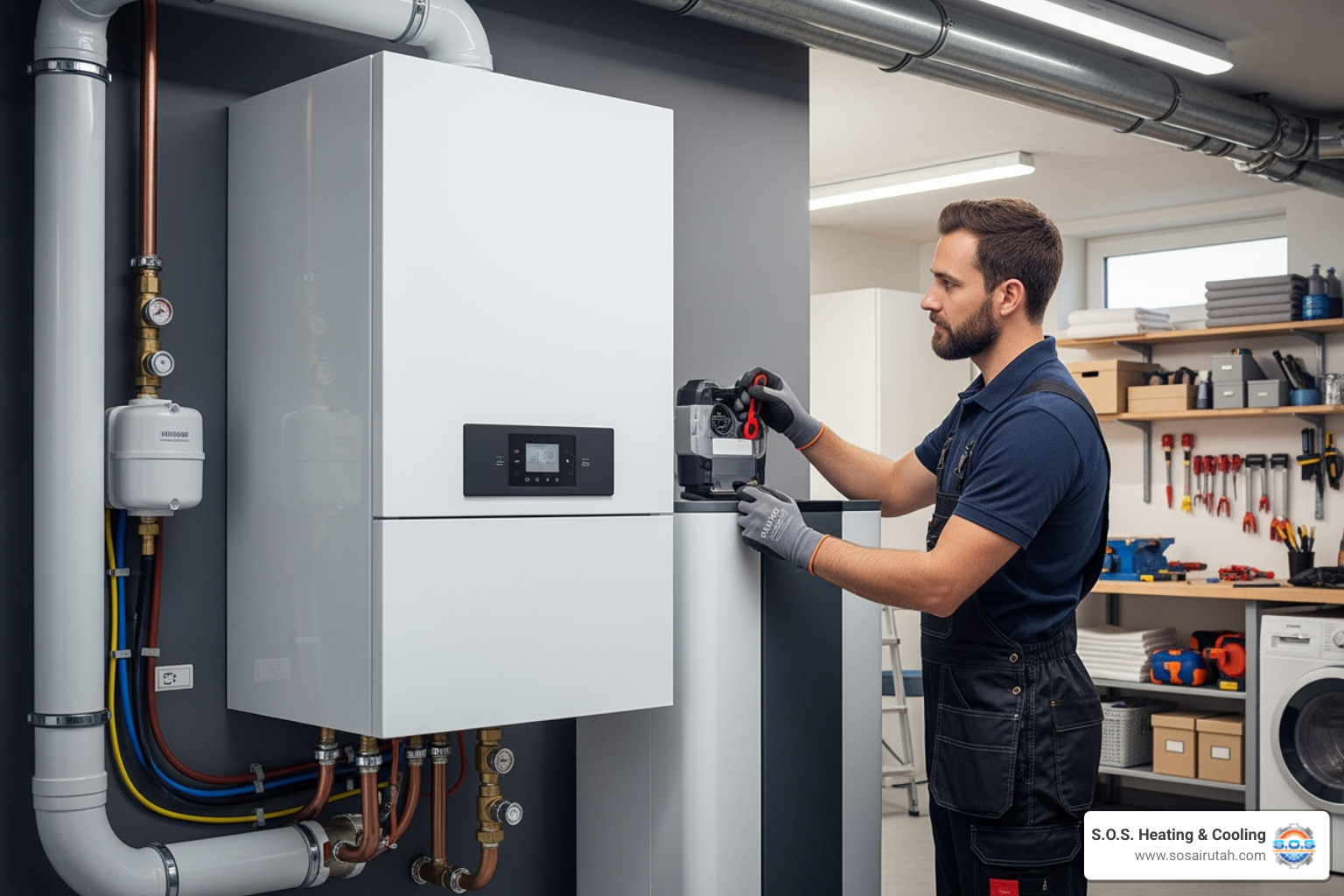
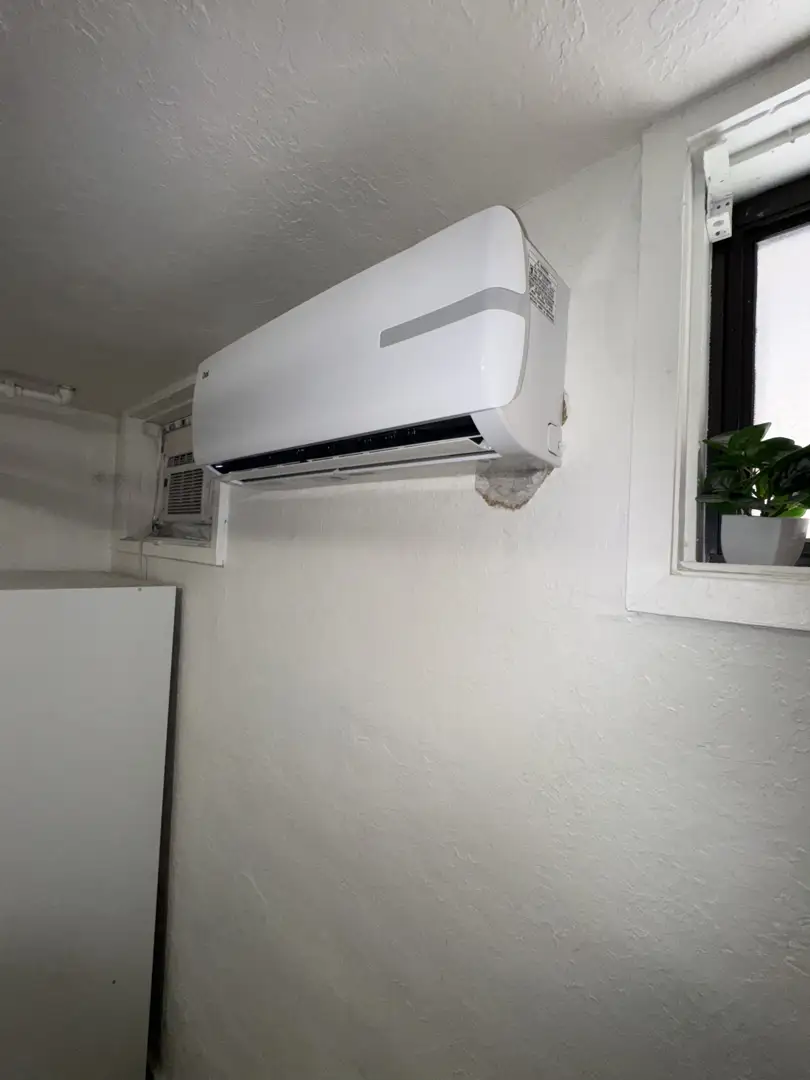
You've got several heat pump options to consider. Ducted air source heat pumps work with your home's existing ductwork, making them a natural upgrade if you already have a furnace and duct system in place. Ductless mini-splits are perfect for homes without ductwork, additions, or when you want independent temperature control in different rooms. They consist of an outdoor unit connected to one or more sleek indoor units, and they can save you up to 30% on energy costs by letting you heat or cool only the spaces you're actually using. Geothermal heat pumps are the efficiency champions of the heating world. They tap into the stable temperatures underground—whether from the earth itself or an underground water source—to provide incredibly efficient heating and cooling year-round, regardless of how extreme the weather gets above ground.
Here's a quick comparison of these popular heating systems:
| System Type | Pros | Cons | Best For |
|---|---|---|---|
| Furnaces | Fast heating, works with existing ductwork, familiar technology, powerful output | Requires ductwork, uses fossil fuels (typically), can dry out air | Homes with existing ducts, areas with cold winters, those wanting rapid heating |
| Boilers | Even, comfortable heat, quiet operation, excellent for radiant floor systems, long lifespan | Slower to heat up, more expensive to install, may require radiators or baseboard units | Homes wanting radiant comfort, those with or willing to install hydronic distribution, multi-story homes |
| Heat Pumps | Heats and cools, highly efficient, lower operating costs, environmentally friendly, qualifies for tax credits | Higher upfront cost, may need backup heat in extreme cold, newer technology | Energy-conscious homeowners, those wanting one system for heating and cooling, homes pursuing electrification |
Each of these systems has its strengths, and the right choice for your home depends on your specific situation. That's where our expertise comes in—we can help you evaluate your options and find the perfect match for your comfort needs and budget.
Explore Our Latest Insights and Updates in Plumbing Services
Why Upgrading to a High Efficiency AC System is a Cool Move
Mini Split vs Central AC Cost Comparison for Savvy Homeowners

A Step-by-Step Guide: How to Apply for Energy Rebates in Utah