

High Altitude HVAC: What Every Utah Homeowner Should Know


.avif)

The Science of How High Altitude Affects Your HVAC Performance
To understand how high altitude affects your HVAC performance, we have to look at the physics of the air surrounding us. Air isn't just "nothing"—it is a physical substance with mass and weight. At sea level, the weight of the miles of atmosphere above us presses down, creating dense air packed with oxygen and heat-carrying molecules.
As we climb higher into the Utah mountains, that pressure drops. Every 1,000-foot increase in elevation typically decreases air pressure by about 4 percent. By the time you reach a home at 6,000 feet above sea level, the air is roughly 24 percent thinner than it is at the coast.
This thin air creates three primary hurdles for your heating and cooling equipment:
- Mass Flow Reduction: HVAC fans move a specific volume of air (measured in Cubic Feet per Minute, or CFM). However, because the air is less dense, the actual weight or mass of the air being moved is much lower. A fan that moves 90,000 pounds of air per hour at sea level only moves about 72,000 pounds at 6,000 feet—a 20% reduction in the "stuff" that actually carries the temperature through your home.
- Heat Transfer Efficiency: Air molecules are the vehicles that transport heat. In thinner air, there are fewer "vehicles" available to pick up heat from your furnace's heat exchanger or drop off heat at your AC's outdoor condenser coil.
- Motor Cooling: Many electric motors in your HVAC system are air-cooled. When the air is thin, it doesn't soak up heat from the motor as effectively, which can lead to overheating and a shortened equipment lifespan.
Understanding these variables is the first step to Optimize Your AC's Performance and ensuring your furnace doesn't burn out prematurely.
| Feature | Sea Level (0 ft) | High Altitude (6,000 ft) | Impact |
|---|---|---|---|
| Air Density | 100% | ~76% | 24% Reduction |
| Fan Air Mass | 90,000 lbs/hr | 72,000 lbs/hr | Harder to move heat |
| AC Capacity | 100% | ~82% | 18% Capacity Loss |
| Oxygen Levels | High | Lower | Combustion issues |
Heating Challenges: Furnace Derating and Combustion Safety
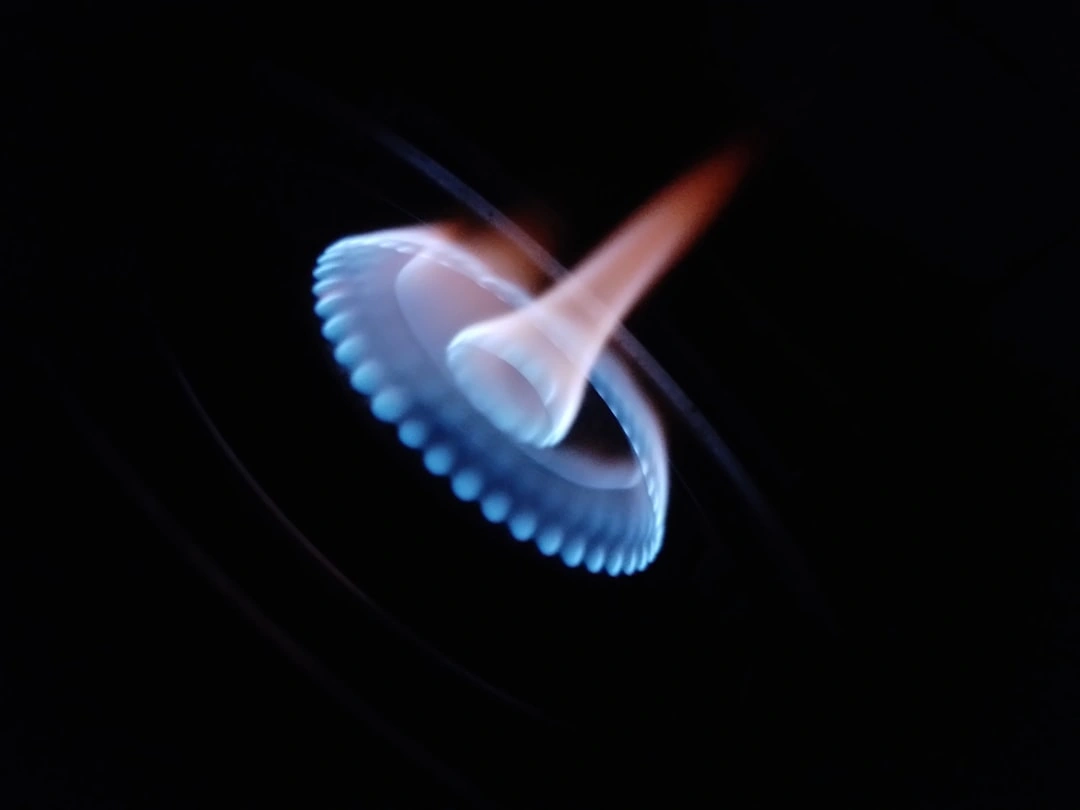
When it comes to your furnace, the most critical way how high altitude affects your HVAC performance involves the chemistry of fire. For a gas furnace to burn fuel safely and efficiently, it needs a precise mixture of fuel and oxygen.
At high altitudes, there is less oxygen available in every cubic foot of air. If you feed a furnace the same amount of gas it would use at sea level, there won't be enough oxygen to burn it all. This leads to "incomplete combustion," which is both wasteful and dangerous.
The Risks of Incomplete Combustion
When fuel doesn't burn completely, it creates soot and, more importantly, carbon monoxide (CO). Because CO is an odorless, colorless gas, it is a silent threat. High-altitude environments naturally increase the risk of CO production if the furnace isn't properly calibrated. This is why the International Fuel Gas Code (IFGC) and most manufacturers mandate "derating."
The 4% Derating Rule
To compensate for thin air, we must "derate" the furnace. This means we reduce the amount of gas entering the burners to match the lower oxygen levels. The industry standard is to decrease the furnace's BTU input by 4% for every 1,000 feet of elevation gain. For a home in Salt Lake City (approx. 4,300 ft), your furnace should be operating at roughly 16-17% less than its sea-level rating.
Proper derating is a cornerstone of Furnace Repair for Optimal Efficiency, ensuring the flames stay clean, blue, and safe.
Why how high altitude affects your hvac performance in winter matters
Winter in Utah is unforgiving, and a system that isn't tuned for the altitude will struggle when the mercury drops. Beyond just gas flow, several mechanical adjustments are necessary:
- High-Altitude Conversion Kits: These often include specialized burner orifices (the tiny nozzles that spray gas) with smaller openings to naturally limit gas flow.
- Pressure Switch Adjustments: Furnaces use pressure switches to ensure the vent fan is pulling enough air for safe operation. In thin air, standard switches might not "trip" correctly, causing the furnace to shut down or fail to start. High-altitude kits often include switches calibrated for lower atmospheric pressure.
- Gas Manifold Pressure: We use a tool called a manometer to precisely set the gas pressure. At high altitudes, this must be lower than sea-level settings.
- Flame Sensor Maintenance: Because combustion is "dirtier" in thin air, flame sensors can become coated in carbon more quickly. Regular cleaning is essential for Addressing Common HVAC Problems before they leave you in the cold.
Cooling and Heat Pump Efficiency in Thin Air
Many homeowners think altitude only affects heating, but it plays a massive role in your summer comfort too. In fact, air conditioners lose about 3% of their cooling capacity for every 1,000 feet of elevation gain. If you are living at 5,280 feet, your 3-ton AC unit might only be performing like a 2.5-ton unit.
The science here is all about heat exchange. Your AC doesn't "create cold"; it removes heat from your indoor air and dumps it outside. Because thin air is a poor conductor, your outdoor condenser unit struggles to release heat into the atmosphere. This causes the compressor to work harder and run longer, which can increase power consumption by about 5%.
To Improve Your AC Unit's Efficiency at high altitudes, we have to account for these physical limitations during installation and maintenance.
Adjusting for how high altitude affects your hvac performance during summer
To keep your home cool when the Utah sun is beating down, we make several technical "tweaks" to the system:
- Blower Motor Speed: Since the air is thinner, we often need to increase the fan speed to move enough air mass across the evaporator coil to achieve the desired cooling.
- CFM Calculations: Standard "rules of thumb" for airflow (like 400 CFM per ton) don't work here. We use altitude-adjusted calculations to ensure your ductwork is moving enough air to prevent the coils from freezing.
- Refrigerant Charging: Refrigerant behaves differently under lower atmospheric pressure. Technicians must use altitude-specific pressure-temperature charts when charging your system. A "standard" charge based on sea-level data will likely result in an underperforming or over-stressed system.
- Managing Wear and Tear: The extra effort required by the compressor and fan motors leads to faster AC Wear and Tear in Salt Lake City's Climate. Regular inspections are the only way to catch these issues before they turn into expensive repairs.
Managing Indoor Comfort: Humidity and Air Quality
One of the most immediate ways you'll feel how high altitude affects your HVAC performance is through the lack of moisture. High-altitude air is naturally much drier than sea-level air. When your HVAC system heats this already-dry air, the relative humidity inside your home can drop below 10%—drier than the Sahara Desert!
The Humidity Factor
Low humidity isn't just about itchy skin or static electricity shocks (though those are annoying). It actually makes you feel colder. When moisture evaporates off your skin, it takes heat with it. This leads many Utah homeowners to crank up the thermostat, further drying out the air and increasing energy bills.
We recommend maintaining an indoor humidity range between 30% and 50%. A whole-home humidifier integrated into your HVAC system is the most effective solution. This not only protects your respiratory health and prevents wood furniture from cracking, but it also allows the air to "hold" heat better, making you feel warmer at lower temperatures.
Air Quality and Wildfires
In our region, high altitude also means dealing with unique air quality challenges, including valley inversions and wildfire smoke. Because the air is less dense, pollutants can sometimes behave differently, and standard filters may struggle with the increased dust and fine particulate matter common in mountain climates. Upgrading to high-efficiency filtration (like MERV 11 or 13) or whole-home air purifiers is often necessary to keep your indoor air breathable.
Best Practices for High-Altitude HVAC Maintenance
Operating a system at 4,000 or 7,000 feet is like driving a car up a steep hill 24/7. It requires more frequent "oil changes" and check-ups to stay in peak condition.
Choose the Right Equipment
If you are replacing a system, certain technologies are much better suited for high-altitude performance:
- Variable-Speed Blowers: These motors can automatically adjust their speed to maintain proper airflow despite the thin air.
- Two-Stage or Modulating Furnaces: These units can run at lower capacities during milder weather, which reduces the "short cycling" often caused by altitude-related pressure fluctuations.
- Dual-Fuel Systems: Pairing an electric heat pump with a gas furnace allows you to use the most efficient heat source based on the current temperature and air density.
Maintenance and Warranty
Many homeowners don't realize that installing a standard unit without altitude adjustments can actually void the manufacturer's warranty. Most brands have specific clauses regarding installations above 2,000 or 5,000 feet.
Scheduling regular service is "non-negotiable" in our climate. Seeing How a Tune-Up Improves Efficiency and Lowers Bills is often the best motivation for homeowners. Our HVAC Maintenance Salt Lake City UT services include the combustion analysis and pressure checks required specifically for our elevation.
Frequently Asked Questions about Altitude and HVAC
What is HVAC derating and is it required in Utah?
Derating is the process of reducing the gas input to a furnace to ensure there is enough oxygen for a safe, clean burn. In Utah, it is almost always required. Most of our service areas—from Bountiful to Draper—sit well above the 2,000-foot threshold where derating becomes mandatory according to the International Fuel Gas Code.
Can high altitude void my manufacturer warranty?
Yes. Many manufacturers specify that their equipment must be installed with high-altitude kits or specific adjustments if the elevation exceeds a certain limit (often 2,000 or 5,000 feet). If a failure occurs and the unit wasn't properly calibrated for the altitude, the manufacturer may deny your warranty claim.
Why does my furnace cycle more frequently at high elevation?
This is often due to the pressure switches. Because the air is thinner, the "draft" created by the vent fan is weaker. If the pressure switch is on the edge of its tolerance, it may cause the furnace to start and stop (short cycle) as it struggles to maintain a consistent pressure reading. This can also happen if the furnace is oversized for the thin-air heating load.
Conclusion
Understanding how high altitude affects your HVAC performance is essential for any Utah resident. From the way your AC struggles to shed heat to the critical safety adjustments needed for your furnace, elevation changes the rules of home comfort.
At S.O.S. Heating & Cooling, we live and work in the same thin air you do. We serve neighbors throughout the Wasatch Front—including Salt Lake City, Sandy, South Jordan, and Kaysville—with a deep understanding of local geography. Whether you need a precise combustion analysis to ensure your family's safety or a high-altitude tune-up to lower your summer cooling costs, we are here to help.
Don't let the thin air thin out your wallet or compromise your safety. Schedule your high-altitude HVAC service with S.O.S. Heating & Cooling today and ensure your system is ready for the unique challenges of life at the top.
Explore Our Latest Insights and Updates in Plumbing Services
Don't Sweat It: How to Know if Your AC is Broken
Keep Your AC Kicking Longer with These Spring Maintenance Tips

What Your Air Conditioner is Trying to Tell You