

Dust and Dry Heat Are Killing Your Air Conditioner


.avif)

Why How High Desert Weather Affects AC Equipment Lifespan Is a Question Every Utah Homeowner Should Be Asking
How high desert weather affects ac equipment lifespan is straightforward: the combination of extreme heat, intense UV radiation, abrasive dust, and dramatic daily temperature swings forces your AC system to work far harder than it was designed to — cutting years, sometimes decades, off its functional life.
Here is a quick breakdown of what high desert conditions actually do to your equipment:
- Extreme heat pushes systems past their rated design temperature of 95°F, spiking refrigerant pressures and accelerating compressor wear
- Dust and silica particles act like sandpaper on motor bearings, blower wheels, and coil fins, grinding components down with every cycle
- UV radiation (index 10-11 in desert summers) physically degrades wiring insulation and plastic components, making them brittle before mechanical failure even begins
- Temperature swings of 20-40°F between day and night cause metal components to expand and contract repeatedly, leading to refrigerant micro-leaks and joint fatigue
- Low humidity dries out rubber seals, drive belts, and gaskets faster than in moderate climates
- High altitude reduces air density, forcing blowers to work harder to move the same volume of air
The result? While a well-maintained AC system lasts 15-20 years nationally, high desert systems in places like Salt Lake City, New Mexico, and West Texas routinely fail in 10-16 years — and sometimes far sooner without proper care.
My name is Bryson Ninow, and with certifications in NATE, EPA, RMGA, and DOPL, I've spent my career helping homeowners in arid, high-altitude climates understand exactly how high desert weather affects ac equipment lifespan — and what to do about it before a breakdown catches them off guard. In the sections ahead, I'll walk you through every major threat the desert poses to your AC, the components most at risk, and the maintenance strategies that can keep your system running strong for as long as possible.

The Reality of AC Longevity in Arid Climates
When we talk about the lifespan of an air conditioner, we usually hear the "standard" industry estimate of 15 to 20 years. However, those numbers are often based on moderate climates with mild summers and low dust levels. In the high desert regions where we live and work, the environment is much more aggressive.
The data shows a stark contrast between national averages and the reality on the ground in arid regions. Below is a comparison of how geography dictates the "expiration date" of your cooling equipment:
| Region / Climate Type | Typical AC Lifespan (Years) |
|---|---|
| National Average (Moderate Climate) | 15–20 Years |
| New Mexico High Desert | 12–16 Years |
| Salt Lake City & Sandy, UT | 12–15 Years |
| Las Vegas (Extreme Heat) | 8–12 Years |
| West Texas (Heavy Dust/Wind) | 7.5–10 Years |
As you can see, living in the high desert can shave up to 50% off the life of your unit if it isn't cared for meticulously. For those of us in the Salt Lake Valley, AC Wear and Tear in Salt Lake City’s Climate is a constant battle against the elements. The "desert tax" on your HVAC system is real, and it manifests in higher utility bills and more frequent part replacements.
How High Desert Weather Affects AC Equipment Lifespan
To understand why your AC is struggling, we have to look at the sheer volume of work it performs. In moderate climates, a system might log 800 to 1,500 cooling hours per year. In a high desert summer, that number can skyrocket to 4,000 or even 5,000 hours. It’s the mechanical equivalent of driving your car 100,000 miles in a single year versus the national average of 15,000.
The Impact of Extreme Heat and UV
Most residential AC systems are engineered and tested at a "design temperature" of 95°F. Once the mercury hits triple digits—which happens frequently in our service areas from Draper to Layton—the system enters a state of extreme stress. At 115°F, a unit rated at 16 SEER might only deliver the efficiency of an 11 or 12 SEER unit.
Furthermore, the UV index in May 2026 often hits 10 or 11. This intense radiation doesn't just sunburn your skin; it cooks the plastic and rubber components of your outdoor unit. We often see wiring insulation turn to dust and plastic fan blades become brittle and crack simply from sun exposure.
Thermal Cycling and Metal Fatigue
The high desert is famous for its diurnal temperature swings. It might be 100°F at 4:00 PM and 65°F by midnight. This 35-degree difference causes the copper refrigerant lines and aluminum fins to expand and contract aggressively every single day. This is what we call the "paperclip effect." If you bend a paperclip back and forth enough times, it eventually snaps. In your AC, this leads to refrigerant micro-leaks at the brazed joints, which are notoriously difficult and expensive to repair. The Role of HVAC Maintenance becomes critical here, as technicians can spot these signs of fatigue before they lead to a total system blowout.
Understanding How High Desert Weather Affects AC Equipment Lifespan on Coils
Your AC doesn't actually "create" cold; it removes heat from your home and rejects it outside through the condenser coils. In a high desert environment, this heat rejection process is under constant assault.
The "sensible load"—the actual temperature of the air—is much higher here than in humid climates. Because the air is so dry, the system has to move a massive volume of air to achieve the same cooling effect. If your coils are even slightly fouled with dust, the heat has nowhere to go. This causes the compressor to run hotter and longer, eventually leading to a "thermal overload" where the system shuts down to prevent itself from melting. If you've noticed your home isn't getting as cool as it used to, you might be seeing Why Your HVAC System Has Poor Airflow due to desert debris.
How High Desert Weather Affects AC Equipment Lifespan and Efficiency
Efficiency isn't just about your monthly bill; it's a measure of system health. In desert conditions, heat pumps and central ACs can lose 0.5 to 1.0 SEER points every single year. A system that started at 16 SEER may be operating at a measly 10 SEER after just a decade of desert abuse.
This degradation happens because of microscopic pitting on the coils and internal wear on the compressor valves. To get the most out of your investment, it helps to understand What Does HVAC Mean in the context of a total home system, where every component from the ductwork to the thermostat must work in perfect harmony to fight the desert heat.
The "Sandpaper Effect": Dust and Sand Infiltration

If heat is the "silent killer" of AC units, dust is the "abrasive assassin." High desert dust isn't like the lint you find under your sofa. It is often composed of fine silica particles and mineral fragments that are essentially microscopic shards of glass.
When these particles get sucked into your outdoor unit, they act like sandpaper. They grind away at the bearings in your fan motor and erode the delicate aluminum fins on your coils.
From Dust to Sludge
Dust is also hygroscopic, meaning it loves to absorb moisture. When fine desert dust meets the condensation on your indoor evaporator coil, it doesn't just sit there—it turns into a muddy, grey sludge. This "bio-slime" or "muddy sludge" is a primary cause of clogged condensate drain lines. When the line clogs, the water has nowhere to go but into your emergency drain pan or, worse, through your ceiling. Addressing Common HVAC Problems like this early can save you thousands in water damage repairs.
Vulnerable Components: Why the Desert Targets Your System
While the whole system suffers, certain parts are on the front lines of the desert war.
- Capacitors: These are the "batteries" that give your motors the jolt they need to start. Most capacitors are rated for a maximum temperature of 131°F. On a 105°F day, the inside of your AC's electrical cabinet can easily hit 150°F. This causes the dielectric fluid inside to leak or dry out, leading to a "no-start" situation.
- Compressors: This is the heart of your system. Compressor oil is designed to lubricate moving parts, but it begins to break down and lose its protective qualities if internal temperatures exceed 225°F. In the desert, compressors run so hot for so long that the oil can turn into an acidic "coke" that eats the motor windings from the inside out.
- Fan Motors: Forced to run 12-14 hours a day in a "pressure cooker" environment, fan motors often suffer from bearing failure due to grit infiltration and heat-induced expansion.
If you are hearing grinding or squealing noises, it is time to look into HVAC Repair Salt Lake City UT before a small part failure turns into a total compressor seizure.
High Altitude and Low Humidity Challenges
Salt Lake City sits at an average of 4,200 feet, with surrounding areas like Park City much higher. At these altitudes, the air is thinner. Lower air density means there are fewer air molecules to carry heat away from your home.
Furthermore, combustion appliances like furnaces lose about 4% efficiency for every 1,000 feet of elevation. If you live in a high-altitude desert, your system is already starting at a disadvantage. This is why specialized HVAC Services Centerville and other high-elevation areas are so important—your system must be "derated" and calibrated specifically for the thin air to prevent premature failure.
Maintenance Strategies to Combat Desert Degradation
You can't change the weather, but you can change how your system responds to it. Here are the "Gold Standard" rules for desert AC survival:
- The 30-Day Filter Rule: Forget the "change every 3 months" advice on the filter box. In the high desert, especially during windy spring months or wildfire season, you should check your filter every 30 days.
- MERV Balance: Use filters with a MERV rating between 8 and 11. Anything lower lets too much dust through; anything higher (like MERV 13+) can restrict airflow too much in our thin mountain air, causing the blower motor to overheat.
- Gentle Coil Rinsing: After a dust storm or "haboob," use a garden hose to gently rinse the outdoor coils. Never use a pressure washer, as it will flatten the delicate fins and ruin the unit.
- Shading Structures: Providing shade for a west-facing unit can lower the intake air temperature by 10-20°F. Just ensure there is at least 24 inches of clearance for airflow.
- Bi-Annual Tune-Ups: Because our systems work double-time, they need double the maintenance. A spring "pre-flight" check and a fall "recovery" inspection are essential. Professional HVAC Tune-Up Salt Lake City UT services include deep coil cleaning and electrical testing that homeowners simply can't do themselves.
When to Replace Your Aging Desert AC System
At some point, the desert wins. If your system is over 10 years old, you are officially in the "fatigue zone."
We generally recommend the 50% Rule: If a single repair cost exceeds 50% of the value of a new system, it’s time to replace. In the high desert, we often suggest lowering that threshold to 30-40% once a unit passes the 12-year mark, simply because the remaining components are likely near the end of their life too.
Modern systems optimized for the desert often feature:
- Variable-Speed Compressors: These reduce the stress of constant on-off cycling.
- High SEER2 Ratings: New 2023 standards ensure better performance in high-heat zones.
- Improved Coil Coatings: Better resistance to the corrosive "desert crust" formed by minerals and dust.
Before you sink more money into a failing unit, take the time for Evaluating Your Aging HVAC System. If replacement is the best path forward, our HVAC Installation Bountiful Guide can help you choose a unit built to withstand our unique climate.
Frequently Asked Questions about Desert AC Lifespan
How often should I change my filters during peak dusty seasons?
In the high desert, you should check your filters every 30 days. If you live near open mesas, construction sites, or in high-wind areas like Draper or South Jordan, you will likely need to replace them monthly during the summer to prevent airflow restriction.
What are the warning signs that desert heat is damaging my AC?
Look for "short cycling" (the unit turning on and off rapidly), unusual grinding or clicking noises, a sudden 20% spike in your energy bill, or "lazy" airflow. If you see ice on the copper lines despite it being 100°F outside, your system is struggling with a serious airflow or refrigerant issue.
Does shading my outdoor unit actually help extend its life?
Yes, but only if done correctly. Shading a unit that faces the brutal afternoon sun can significantly reduce the "thermal load" on the compressor. However, you must avoid "choking" the unit. Never wrap it in a tight enclosure; use a trellis or a professional shade structure that allows for plenty of air circulation.
Conclusion
Living in the beautiful high desert of Utah means accepting that the environment is naturally hostile to mechanical equipment. How high desert weather affects ac equipment lifespan is a battle of attrition, but it’s a battle you can win with the right strategy. By understanding the "sandpaper effect" of dust and the "pressure cooker" reality of extreme heat, you can take the proactive steps necessary to protect your home’s comfort.
At S.O.S. Heating & Cooling, we’ve spent years servicing everything from the historic homes in Millcreek to the new developments in Herriman. We know exactly what the Utah sun and salt-flats dust do to an air conditioner. Don't wait for the hottest day of the year to find out your system has reached its breaking point.
Schedule your professional air conditioning service today and let us ensure your AC is ready to survive whatever the high desert throws at it. Whether you need a precision tune-up, an emergency repair, or a desert-optimized replacement, our team is here to keep your home a cool oasis all summer long.
Explore Our Latest Insights and Updates in Plumbing Services
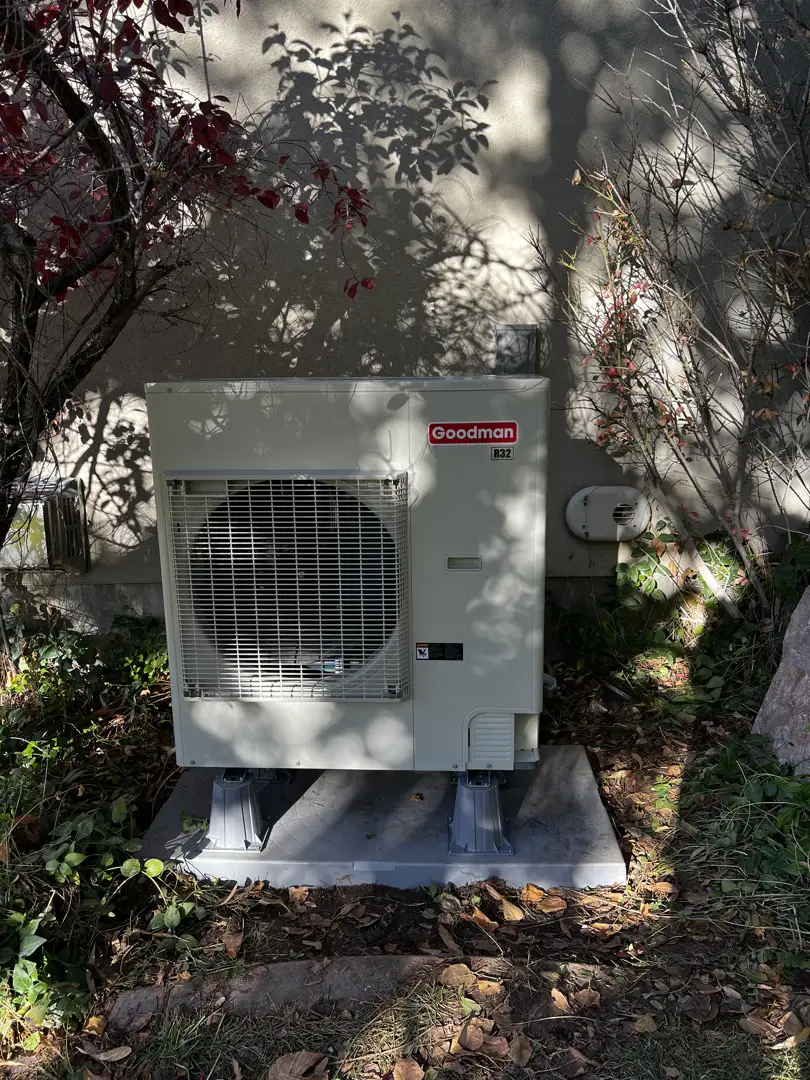
Average Lifespan of a Central Air Conditioner in Hot Dry Utah Climate
How Heat Pumps Work for Heating and Cooling in Utah
How to Fix Dry Winter Air in Utah Homes