
Will Your AC Survive Another Wasatch Front Summer?


.avif)

Understanding How Long Does an AC Unit Last in Utah
#
How long does an ac unit last is one of the most common questions homeowners ask — and the honest answer is: it depends on the type of system you have, how well it's been maintained, and where you live.
Here's a quick breakdown of average AC lifespans by system type:
| AC System Type | Average Lifespan |
|---|---|
| Central Air Conditioner | 12-17 years |
| Ductless Mini-Split | 15-20 years |
| Heat Pump | 10-16 years |
| Geothermal System | 25-30 years |
| Window Unit | 5-10 years |
| Evaporative Cooler | 5-15 years |
These are general ranges. A unit in a demanding climate like the Wasatch Front — with intense summer heat, high-altitude stress, and dry, dusty air — may land closer to the lower end of that range without consistent upkeep. On the other hand, a well-maintained system in a moderate climate can push well past the average.
If your AC has been running reliably for years, it's easy to assume it will keep doing so. But most systems don't announce when they're about to fail — they just stop working on the hottest day of August. Knowing where your system stands in its lifecycle can save you from an expensive, stressful emergency.
I'm Bryson Ninow, an NATE-certified HVAC professional with hands-on experience helping Wasatch Front homeowners understand exactly how long does an ac unit last and when it makes sense to act before a breakdown forces the decision. Whether your system is five years old or pushing twenty, knowing the warning signs and maintenance habits that affect longevity can make a real difference in your comfort and your wallet.
Living in the Salt Lake Valley or along the benches of the Wasatch Front presents a unique set of challenges for cooling equipment. When we discuss how long does an ac unit last, we have to look at the specific technology keeping your home comfortable.
In May 2026, we are seeing a wide variety of systems across Utah, from legacy central air units to modern, high-efficiency heat pumps. Each has its own "biological clock."
- Central Air Conditioners: These are the workhorses of most Utah homes. Typically, a central AC unit will last between 12 and 17 years. While some manufacturers suggest they can reach 20 years, the harsh UV rays and summer temperature swings in places like Draper or Sandy often lead to mechanical fatigue sooner.
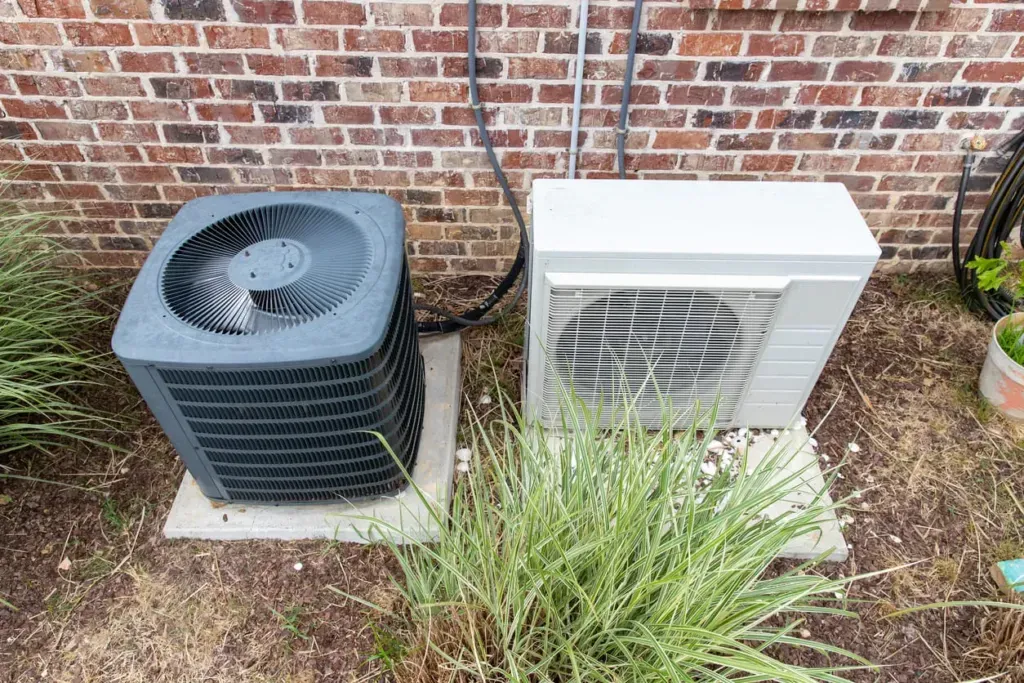
- Heat Pumps: These systems provide both heating and cooling. Because they operate year-round rather than just during the summer months, they accumulate "mileage" much faster. You can generally expect a heat pump to last 10 to 16 years.
- Ductless Mini-Splits: These are becoming incredibly popular in Millcreek and Holladay for older homes or additions. Because they don't rely on ductwork and often use variable-speed technology, they can last 15 to 20 years.
- Geothermal Systems: If you have a geothermal loop, the indoor heat pump component lasts about 25 years, while the underground loops can last 50 years or more.
- Evaporative Coolers (Swamp Coolers): Common in older parts of Salt Lake City, these have a shorter lifespan of 5 to 15 years due to the constant exposure to water, which leads to rust and mineral buildup.
If your system is nearing the end of these ranges, it is often wise to Consider AC Replacement before a total failure occurs during a July heatwave.
Key Factors Influencing System Longevity
Why does one neighbor’s AC last 22 years while another's dies at 12? It isn't just luck. Several environmental and operational factors play a massive role in determining how long does an ac unit last.
- Installation Quality: This is arguably the most critical factor. A unit that was improperly sized—either too large or too small—will suffer from "short-cycling" or constant running. Both scenarios put extreme strain on the compressor. Furthermore, if the refrigerant charge wasn't perfect on day one, the system is essentially a ticking time bomb.
- High-Altitude Impact: Here in the Wasatch Front, the air is thinner. This means your outdoor fan has to work a bit harder to move the same mass of air to dissipate heat. Over 15 years, this extra effort adds up.
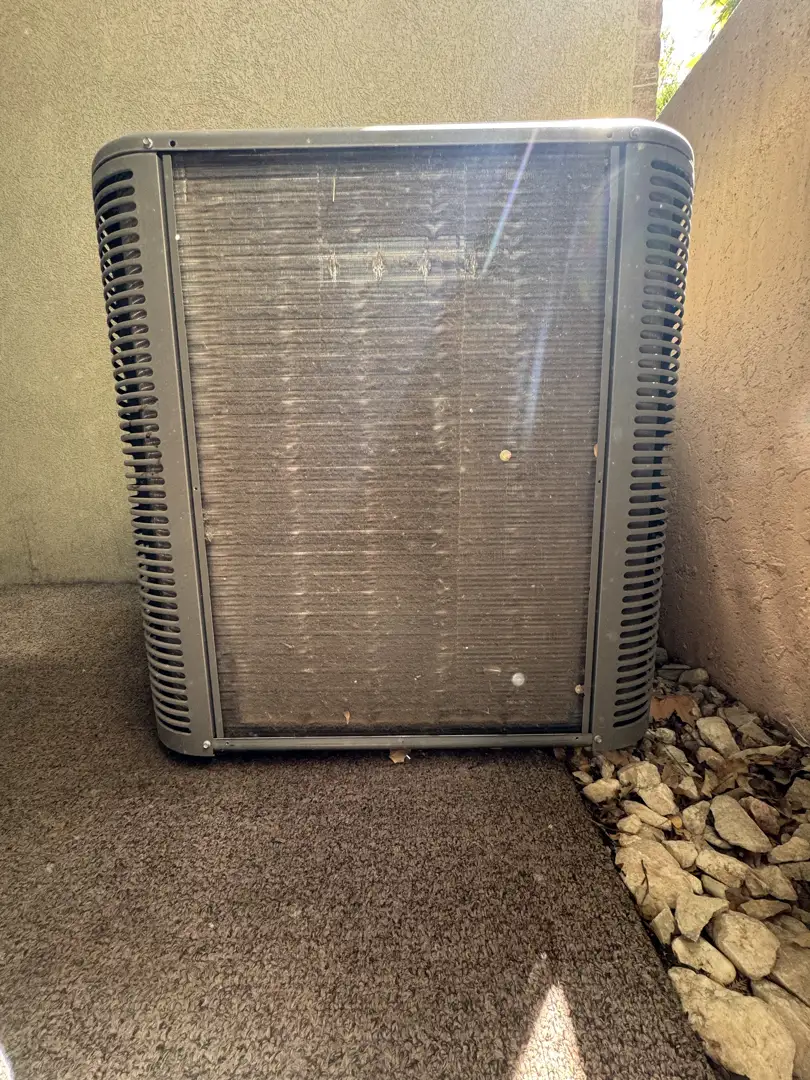
- Dry Heat and Dust: Our high-desert climate is incredibly dusty. Fine silt from the West Desert can coat your outdoor condenser coils, acting like a thermal blanket. This forces the system to run hotter and longer to achieve the same cooling effect.
- Usage Patterns: If you keep your thermostat at 68°F while it’s 100°F outside, your system is working significantly harder than a neighbor who keeps theirs at 76°F. The more hours the compressor spends under high pressure, the shorter its total life will be.
For residents in specific areas, localized issues matter too. We often provide AC Maintenance Tips Cottonwood Heights UT because the proximity to the canyons can mean more debris and wind-blown material entering the unit compared to a home in the middle of the valley.
How long does an ac unit last with proper maintenance?
The difference between a 12-year lifespan and a 20-year lifespan is almost always found in the maintenance log. Think of your AC like a car; you wouldn't expect a truck to last 200,000 miles without an oil change.
- Filter Changes: This is the simplest task but the one most often ignored. A clogged filter restricts airflow, making the blower motor work harder and eventually causing the evaporator coil to freeze. We recommend checking filters every 30 days during the peak of summer.
- Coil Cleaning: Both your indoor and outdoor coils must be clean to transfer heat efficiently. Learning How to Clean Air Conditioner Coils can prevent the "thermal stress" that kills compressors.
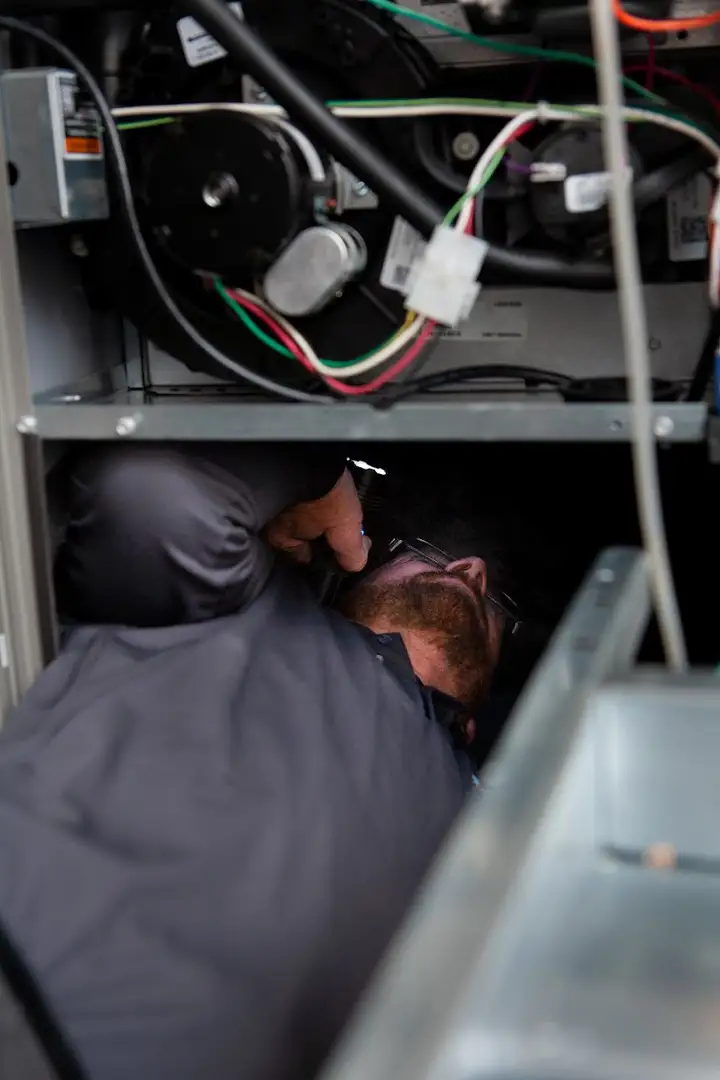
- Professional Tune-Ups: A yearly AC Tune-Up allows a technician to catch small issues—like a failing capacitor or a loose wire—before they turn into a catastrophic motor failure. Research shows that annual maintenance can save up to 15% on monthly energy bills while significantly extending the system's life.
Signs Your Air Conditioner is Nearing Retirement
Your air conditioner will usually try to tell you it's tired before it gives up completely. Recognizing these Signs Your AC Needs Immediate Repair can help you decide if you're looking at a simple fix or the beginning of the end.
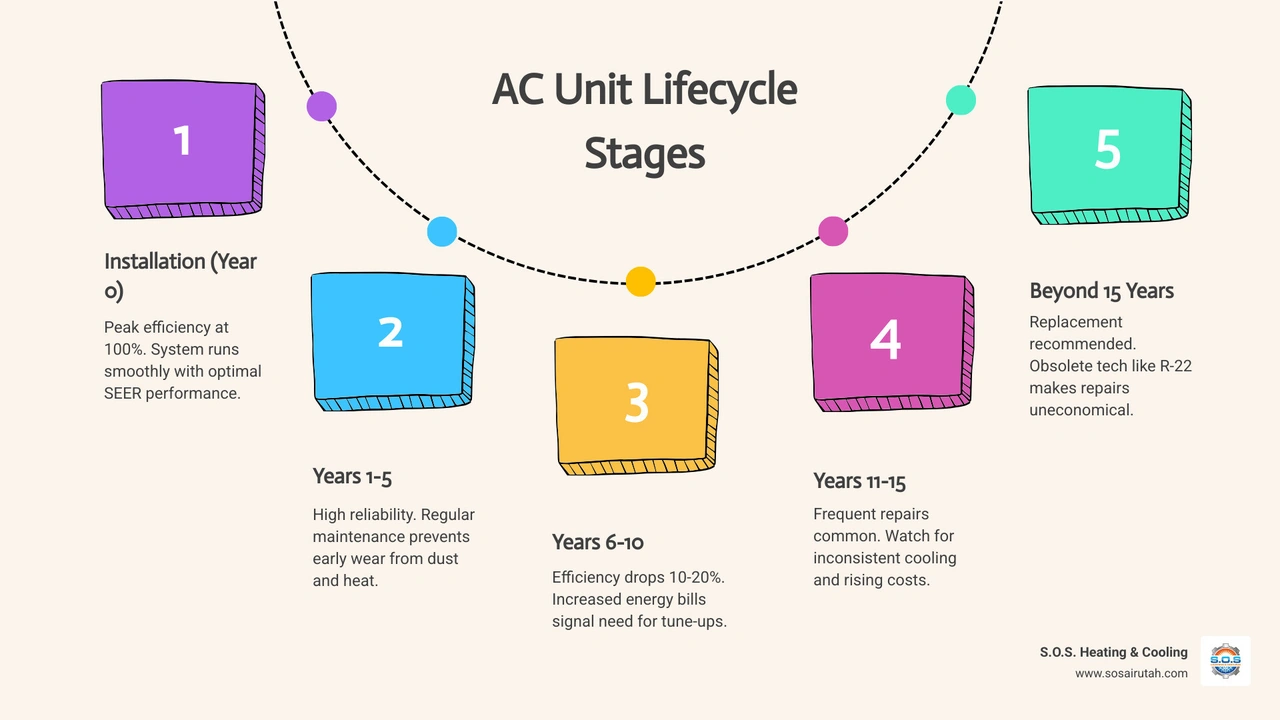
- Frequent Breakdowns: If you’ve had to call us twice in the last two summers for different issues, your system is likely entering the "breakdown phase" of its lifecycle.
- Rising Energy Bills: As components wear out, they become less efficient. If your May 2026 power bill is significantly higher than your May 2025 bill (and rates haven't changed), your AC is likely struggling to keep up.
- Inconsistent Cooling: Are some rooms like an icebox while others stay warm? This often indicates that the compressor can no longer maintain the necessary pressure to move refrigerant effectively through the entire system.
- Unusual Noises: Grinding, squealing, or loud rattling sounds are often the "death rattle" of a blower motor or compressor bearings.
- Excessive Humidity: A healthy AC unit acts as a dehumidifier. If your home feels "clammy" even when the air is cool, the system is no longer effectively removing moisture.
The Repair vs. Replace Decision Matrix
When a major component fails, you face a tough choice. Should you sink money into an old unit or invest in a new one? To help our neighbors in Salt Lake City and surrounding areas like Bountiful or Riverton, we often use a few industry standard "rules of thumb."
- The $5,000 Rule: Multiply the age of your unit by the cost of the repair. If the total is more than $5,000, it’s usually time to replace. For example, a $600 repair on a 10-year-old unit ($6,000) suggests replacement is the better long-term financial move.
- The 50% Threshold: If a single repair costs more than 50% of the value of a new system, investing in the new unit is almost always the smarter choice, especially given the warranty coverage you'll receive.
- R-22 Refrigerant Obsolescence: If your unit was built before 2010, it likely uses R-22 (Freon). Production of R-22 was phased out in 2020. Today, in 2026, finding R-22 is extremely difficult and incredibly expensive. If an R-22 system has a leak, it is almost never worth repairing.
Deciding Should You Repair or Replace Your AC involves looking at the big picture. We can help you navigate the AC Repair or Replacement dilemma by providing an honest assessment of your current system's health.
How long does an ac unit last when using modern SEER2 technology?
In 2023, the industry moved to SEER2 (Seasonal Energy Efficiency Ratio 2) standards. These units are tested under more realistic "real-world" conditions. When you ask how long does an ac unit last regarding these newer models, the answer is promising.
Modern units with high SEER2 ratings often feature variable-speed compressors. Unlike older units that are either "100% on" or "off," variable-speed systems ramp up and down slowly. This reduces the mechanical shock of starting and stopping, which is the primary cause of wear and tear.
Before you make a move, understand What You Need to Know Before You Replace Your AC Unit. Upgrading to a modern system can reduce your cooling energy usage by 20% to 40%, which helps the unit pay for itself over its 15-to-20-year lifespan.
Frequently Asked Questions about AC Longevity
Can an AC unit last 30 years in Salt Lake City?
While it is technically possible, it is extremely rare. In our high-altitude, high-dust environment, the mechanical components usually succumb to fatigue long before the 30-year mark. Even if a unit does last that long, it will be operating at a fraction of its original efficiency, likely costing you double in electricity what a modern unit would.
Does the Utah climate shorten AC life?
Yes. The combination of intense UV radiation (which degrades plastic and rubber components), high-desert dust (which clogs coils), and extreme temperature swings puts "stress miles" on a system. A unit in the Salt Lake Valley typically has a slightly shorter lifespan than the same unit in a mild, coastal climate.
Is a 15-year-old AC unit considered old in 2026?
By 2026 standards, a 15-year-old unit is a "senior citizen." It likely uses outdated refrigerant and has a SEER rating that is roughly half of what modern entry-level units offer. While it may still be running, you should be actively planning for its retirement to avoid a cooling crisis.
Conclusion
At S.O.S. Heating & Cooling, we understand that your home is your sanctuary. Whether you are in Kaysville, Herriman, or anywhere in between along the Wasatch Front, we are here to ensure your air conditioner survives the summer—or help you find a replacement that will last for the next two decades.
We pride ourselves on being a local partner you can trust. We offer 24/7 emergency repairs because we know that AC units don't always pick convenient times to break down. To make things easier for our neighbors, we offer no evaluation fees during business hours and flexible financing options to fit your budget.
Don't wait for the first 100-degree day to find out if your system is up to the task. Schedule your Wasatch Front AC service today and let us give you the peace of mind you deserve.

Plumbing
Expert plumbing services offering reliable repairs, installations, maintenance, and emergency support.

Air Conditioning
Comprehensive air conditioning services include installation, repairs, maintenance, and energy-efficient solutions.
Heat Pumps
Enjoy year-round comfort with our energy-efficient and professional heat pump solutions.

Indoor Air Quality
Enhance your home’s air with our cutting-edge indoor air quality solutions you can trust.

Fireplaces
Transform your space into a warm and cozy atmosphere with our professional fireplace services.

Heating
Specialized heating services provide reliable installation, repair, system maintenance, and energy-optimization solutions.
Explore Our Latest Insights and Updates in Plumbing Services

A Practical Guide to Utah Inversion Season Air Filtration
How to Verify an HVAC and Plumbing Contractor Is Licensed in Utah