

Stop Blowing Money on Air with These High Efficiency Savings


.avif)

Your Cooling Bills Are Too High — Here's What a High-Efficiency AC Can Actually Do
How much does a high efficiency ac system save depends on what you're replacing and where you live — but the numbers are significant enough to pay close attention to. Here's a quick breakdown:
| Upgrade | Annual Savings | % Reduction |
|---|---|---|
| 10 SEER → 13 SEER | ~$200–$375/yr | ~23% |
| 10 SEER → 16 SEER | ~$600–$1,320/yr | ~37% |
| 10 SEER → 20 SEER | ~$800+/yr | ~50% |
| 9 SEER → 18 SEER2 | ~$364+/yr | ~52% |
Most homeowners switching from an older system (10 SEER or below) to a modern high-efficiency unit can expect to cut their cooling costs by 20% to 50%, depending on home size, local electricity rates, and how many hours per year the system runs. In hot climates like Salt Lake City, where air conditioners work overtime through long summer months, those savings add up fast.
The Department of Energy backs this up — upgrading from an old 10 SEER unit to a modern high-efficiency system can reduce home cooling costs by 20 to 40 percent annually. For a 2,000 square foot home, that can mean dropping monthly cooling costs from around $180 down to $100 during peak summer months.
What most people don't realize is that older, low-efficiency systems don't just use more electricity — they cycle on and off constantly, pulling massive amounts of power with every startup. That pattern quietly drains your wallet all summer long.
I'm Bryson Ninow, an NATE-certified HVAC professional with hands-on experience helping Salt Lake City homeowners navigate energy-efficient upgrades and understand exactly how much does a high efficiency ac system save in real-world conditions. In this guide, I'll walk you through the numbers, the factors that affect your savings, and how to make the smartest upgrade decision for your home.

Decoding SEER2 and High-Efficiency Ratings
When we talk about efficiency, we usually end up in a bowl of "alphabet soup." To understand how much does a high efficiency ac system save, we first need to look at the yardstick used to measure it. As of 2023, the industry shifted from SEER to SEER2. This isn't just a marketing change; it reflects new Department of Energy (DOE) regulations designed to give you a more accurate picture of real-world performance.
What are SEER2, EER2, and HSPF2?
- SEER2 (Seasonal Energy Efficiency Ratio 2): This measures the cooling output of your AC over a typical cooling season, divided by the total electric energy input. The "2" means the unit was tested under higher external static pressure, which better mimics the actual ductwork in your home.
- EER2 (Energy Efficiency Ratio 2): This measures efficiency at a specific, high outdoor temperature (usually 95°F). It’s a "snapshot" of how your unit performs on the hottest day of the year.
- HSPF2 (Heating Seasonal Performance Factor 2): If you are installing a heat pump, this rating tells you how efficiently it heats your home during the winter.
In May 2026, the standards are stricter than ever. A unit is generally considered "high efficiency" once it crosses the 16 or 17 SEER2 threshold. These units are often ENERGY STAR certified, meaning they meet rigorous federal guidelines for energy consumption.
To get the most out of these ratings, you have to improve your AC unit's efficiency by ensuring your home is ready for the upgrade. High-efficiency systems use larger condenser coils and advanced heat transfer technology to move heat out of your house using significantly fewer watt-hours.
How Much Does a High Efficiency AC System Save?
The short answer: A lot. If you are moving from a system that is 15 to 20 years old, you are likely sitting on a 10 SEER unit (or worse). Upgrading to a modern 16 SEER or 18 SEER2 system can slash your cooling bills by 30% to 50% almost overnight.
For a typical 2,000-square-foot home in the Salt Lake City area, the monthly running cost for an old, inefficient AC can hover around $180 during the peak of July. A high-efficiency unit (SEER >16) can drop that cost to about $100. That is a 44% savings on your monthly electricity bill.
Calculating How Much a High Efficiency AC System Saves Annually
To figure out your specific ROI, we look at the BTU capacity (size of the unit), the annual cooling hours (how much you actually run it), and your local kilowatt-hour (kWh) rates.
For example, upgrading from a 9 SEER to an 18 SEER2 on a 3-ton system can save roughly 52% annually. In many cases, this translates to over $360 in electricity savings every single year. Over a 15-year lifespan, that is more than $5,400 staying in your pocket rather than going to the utility company. We often see that how a tune-up improves efficiency and lowers bills is a great start, but when the math shows a 50% reduction in consumption, a full replacement becomes the clear winner.
Real-World Examples of High-Efficiency Upgrades
Let’s look at the "sweet spots" for upgrades:
- The Budget Move (10 SEER to 13 SEER): Even a modest jump saves about 23% per year.
- The Optimal Move (10 SEER to 16 SEER): This is where most homeowners see the best balance of upfront cost and long-term savings, often cutting bills by 37%.
- The Premium Move (10 SEER to 20 SEER): This can save $800 or more annually.
One hidden benefit of high-efficiency units is how they interact with tiered utility rates. Many power companies charge more per kilowatt-hour once you cross a certain usage threshold. By lowering your overall consumption, a high-efficiency AC helps you stay in the lower, cheaper "Tier 1" pricing, effectively amplifying your savings.
Key Factors Influencing Your Total Energy Savings
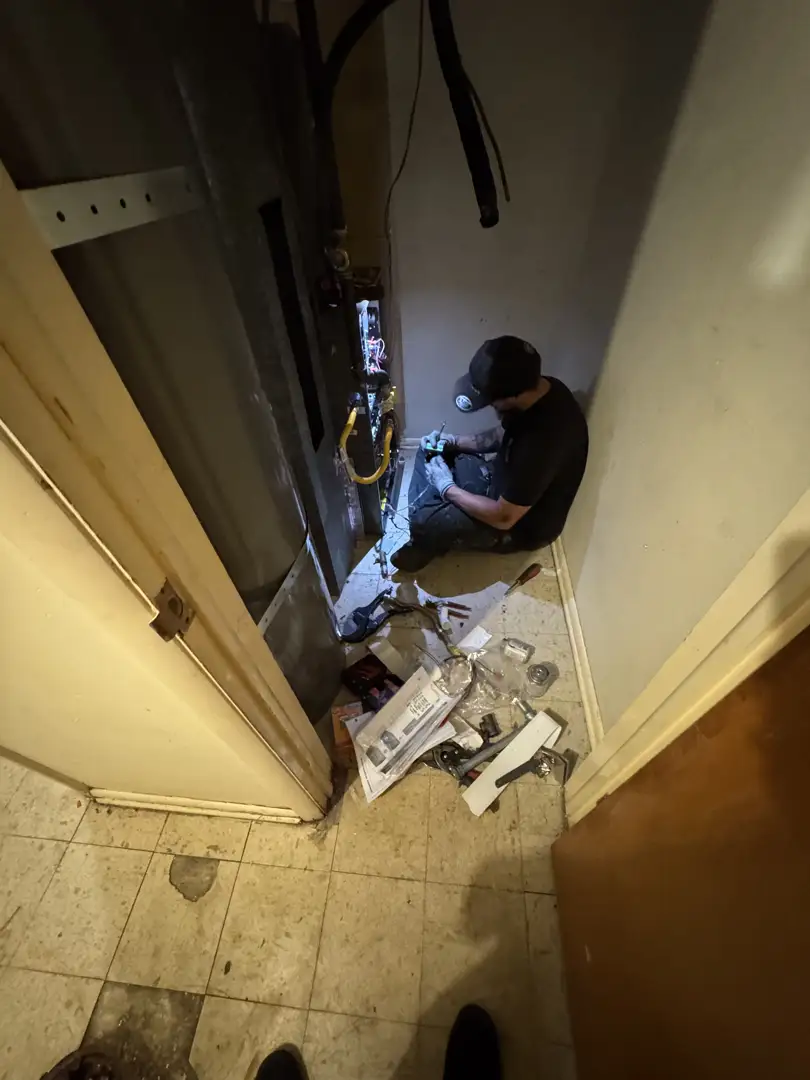
While the SEER2 rating on the box is important, it isn't the only thing that determines how much does a high efficiency ac system save. Several variables in your home act as the "supporting cast" for your AC.
- Home Size and Insulation: A 3,000-square-foot home with poor attic insulation will force even a 20 SEER unit to work harder.
- Ductwork Integrity: You can have the most efficient AC in the world, but if your ducts are leaky, you are losing 20% to 30% of that conditioned air to your attic or crawlspace.
- Thermostat Settings: Every degree you set your thermostat below 76°F can increase your energy costs by 3% to 4%. Pairing a high-efficiency unit with a smart thermostat allows for better management.
- Start-up Wattage vs. Running Wattage: This is the big secret. Standard ACs are like a light switch—they are either 100% on or 100% off. Starting up takes a massive surge of power (up to 6,000W). High-efficiency, variable-speed compressors are like a dimmer switch. They stay on at a low, steady level (around 2,500W), avoiding those expensive power spikes.
When you call for AC service in Salt Lake City, UT, we look at these factors to ensure your new system actually delivers the savings promised on the label.
Why Climate Impacts How Much a High Efficiency AC System Saves
The Wasatch Front presents a unique challenge. We have long, dry summers with intense heat, but we also deal with high-altitude performance issues. In a climate like ours, your AC might run for 1,000 to 1,500 hours a year.
In milder climates, a high-efficiency unit might take 15 years to pay for itself. But here along the Wasatch Front, the higher runtime hours mean you recoup your investment much faster. Furthermore, high-efficiency units often have better dehumidification. Even though Utah is dry, these systems help maintain a consistent "feel" that allows you to set the thermostat a few degrees higher without losing comfort. Regular AC maintenance in Salt Lake City, UT is vital to keep these systems running at peak performance in our dusty environment.
The Role of Professional Installation in Efficiency
You could buy the most expensive unit on the market, but if it's installed poorly, it will perform like a "clunker." Professional installation ensures:
- Correct Sizing: We use a Manual J load calculation to ensure the unit isn't too big (which causes short-cycling) or too small (which never stops running).
- Refrigerant Charge: If the refrigerant level is off by even a small percentage, the efficiency drops significantly.
- Airflow Balancing: Ensuring every room gets the right amount of air prevents the system from overworking.
A professional AC tune-up in Salt Lake City, UT can keep a new system in warranty-compliant shape, but the installation is where the savings are truly born.
The Financial Payback Period and Total Cost of Ownership
When considering an upgrade, don't just look at the sticker price. Look at the "incremental cost"—the difference between a standard unit and a high-efficiency one.
A typical high-efficiency upgrade has a payback period of 5 to 10 years. However, this timeline is often shortened by:
- Federal Tax Credits: Under the Inflation Reduction Act (Section 25C), you may be eligible for tax credits up to $2,000 for high-efficiency heat pumps or AC units.
- Utility Rebates: Local providers like Rocky Mountain Power often offer significant rebates for moving to SEER 16+ equipment.
- Repair Savings: Older units are "money pits." Moving to a new system eliminates the frequent, expensive repairs common with aging equipment.
When you consider AC replacement, you are moving the HVAC system from a monthly liability to a long-term financial asset. High-efficiency systems often last 15–20 years, whereas older, stressed units might tap out at 12.
Signs It’s Time to Upgrade Your Cooling System
How do you know if you are currently "blowing money on air"? Look for these AC professional maintenance signs that suggest your system is failing:
- Age: If your unit is over 10–12 years old, its efficiency has likely degraded well below its original rating.
- Frequent Repairs: If you're calling us every summer for a new capacitor or a refrigerant top-off, that money is better spent on a down payment for a new unit.
- Rising Bills: If your utility costs are climbing but your usage hasn't changed, your AC is working harder to do less.
- Uneven Temperatures: Rooms that stay hot while others are freezing indicate a system that can't balance the load.
- Noisy Operation: Modern high-efficiency units are whisper-quiet. If your current unit sounds like a jet engine, it's likely wasting energy through mechanical friction.
Why regular AC tune-ups are vital is because they can catch these issues early, but eventually, the math favors replacement over repair.
Frequently Asked Questions about AC Savings
Is a 20 SEER system worth the extra cost over a 16 SEER?
In very hot climates or for homeowners who plan to stay in their home for 15+ years, yes. The 20 SEER unit provides the ultimate in comfort and dehumidification. However, for many, the 16–18 SEER range is the "sweet spot" for the fastest return on investment.
How much does a high-efficiency AC save compared to a 15-year-old unit?
Typically, you will see a 40% to 50% reduction in the cooling portion of your power bill. If your summer bill is $300, and $200 of that is AC, you could save $100 every month.
Do high-efficiency systems really last longer?
Yes. Because they use variable-speed technology, they avoid "hard starts." This reduces mechanical wear and tear on the compressor, which is the most expensive part of the system. While a standard unit might struggle for 12 years, a well-maintained high-efficiency system can easily go for 18–20 years.
Conclusion
Investing in a high-efficiency AC isn't just about staying cool; it's a strategic financial move for your home. By understanding how much does a high efficiency ac system save, you can stop dreading the mailbox during the summer months. From Salt Lake City to Draper and Layton, we help homeowners turn their HVAC systems into energy-saving machines.
Whether you need a full replacement or want to start with our AC maintenance guide for Salt Lake City, we are here to help. At S.O.S. Heating & Cooling, we pride ourselves on providing the Wasatch Front with honest advice and expert installation.
Start saving today with a high-efficiency AC upgrade and see the difference in your comfort and your wallet.
Explore Our Latest Insights and Updates in Plumbing Services
The Definitive Guide to Why Utah Has Some of the Hardest Water in the United States
The Complete Guide to Repiping ROI in Salt Lake City
The Definitive Guide to Trenchless Sewer Repair Lifespan