

An Essential Guide to Pipe Replacement Age


.avif)

How Old Do Pipes Have to Be Before Repiping Is Necessary in the Wasatch Front Area?
Understanding how old do pipes have to be before repiping is necessary in the Wasatch Front area is something every local homeowner should know — especially if your home was built before 1990. The short answer is that most pipes reach the end of their useful life somewhere between 40 and 50 years, but the exact timeline depends heavily on the pipe material and local water conditions. Utah's notoriously hard water accelerates that timeline, meaning pipes in Wasatch Front homes often show signs of failure earlier than the national average.
Here is a quick reference by pipe material:
| Pipe Material | Typical Lifespan | Repiping Generally Needed |
|---|---|---|
| Galvanized Steel | 20-50 years | Homes built before the 1970s-1980s |
| Polybutylene | 10-25 years | Homes built 1978-1995 |
| Copper | 50+ years | Homes built before the 1970s with original pipes |
| PEX | 50+ years | Rarely, unless damaged or improperly installed |
If your home is over 40 years old and still has its original plumbing, there is a strong chance repiping is already overdue. Homes built before 1986 are especially likely to contain materials like galvanized steel or polybutylene — both of which are prone to failure and, in some cases, pose health risks.
Deep inside your walls, working around the clock, your plumbing system is either quietly doing its job — or slowly failing. Most homeowners in Salt Lake County and Utah County don't think about their pipes until something goes wrong. By then, a small problem has often become a costly emergency. Knowing the age and material of your pipes before that happens is one of the most practical things you can do to protect your home and your family's health.
I'm Bryson Ninow, and through years of hands-on work serving homeowners across the Wasatch Front, I've seen how often aging plumbing goes unnoticed until it causes serious damage — which is exactly why understanding how old do pipes have to be before repiping is necessary in the Wasatch Front area can save you from a stressful and expensive surprise. in the sections below, we'll walk through everything you need to know to make a confident, informed decision about your home's plumbing.

When we look at Utah housing, many gorgeous properties in Salt Lake City, Bountiful, and Millcreek were built during the mid-century housing boom or even earlier. If your home falls into this category, the original plumbing system is likely running on borrowed time. Typically, the 40-year mark is when plumbing lines shift from being "old but reliable" to "at high risk of sudden failure."
For homes built before 1986, there is an even higher likelihood that the original pipes are made of outdated, hazardous materials. Lead-soldered joints and brittle plastics were common industry standards back then. If you are planning a home update, it is critical to evaluate your plumbing age early on. You can learn more about how these hidden systems impact your home updates in our guide on How Old Pipes and Fixtures Affect Your Remodel Plan.
Understanding the Lifespan of Common Plumbing Materials
To accurately determine if your property needs a complete overhaul, you have to look at the specific materials running through your walls. No plumbing material lasts forever, and each degrades in its own unique way.
- Galvanized Steel: Popularly installed in homes built before the 1970s and 1980s, these iron pipes were dipped in a protective zinc coating. Over several decades, this coating wears away, leaving the raw iron exposed to water.
- Copper: Long considered the gold standard of plumbing, copper is highly durable and naturally antibacterial. However, copper is not completely immune to the elements. Over a span of 50 years, chemical reactions and high water velocity can wear down the metal, resulting in pinhole leaks.
- Polybutylene: This flexible gray plastic piping was widely used from the late 1970s through the mid-1990s as a cheap alternative to copper. Unfortunately, it reacts poorly to water treatment chemicals, causing the material to become incredibly brittle and fail without warning.
- PEX (Cross-linked Polyethylene): The modern champion of plumbing. PEX is flexible, highly resistant to scale buildup, and can expand slightly under freezing conditions, making it perfect for Utah's cold winters.
| Material | Average Lifespan | Primary Vulnerabilities in Utah | Failure Mode |
|---|---|---|---|
| Galvanized Steel | 20 to 50 Years | Heavy mineral scaling, internal rusting, zinc depletion | Complete clog, rusty water, major joint leaks |
| Polybutylene | 10 to 25 Years | Chemical degradation from chlorine, brittle plastic fittings | Catastrophic splitting, sudden bursts |
| Copper | 50+ Years | Pitting corrosion, pinhole leaks from hard water friction | Slow, hidden leaks behind walls |
| PEX | 50+ Years | UV light exposure (before installation), poor fitting connections | Extremely rare, highly durable |
How Old Do Pipes Have to Be Before Repiping Is Necessary in the Wasatch Front Area for Galvanized Steel?
If you have galvanized steel plumbing, the countdown clock has likely already run out. Galvanized pipes typically need to be replaced once they reach 40 to 50 years of age. Given that their installation largely ceased by the late 1970s, any original galvanized steel pipes in Utah homes today are at least 45 to 50 years old.
The fundamental issue with galvanized steel is its protective zinc coating. Over decades of constant water contact, this zinc layer slowly dissolves. Once the zinc is gone, the underlying steel begins to rust from the inside out. This internal corrosion creates a rough, jagged surface inside the pipe that acts like a magnet for hard water minerals.
As rust and mineral scale accumulate, the inner diameter of the pipe shrinks. What started as a wide, free-flowing pipe can eventually narrow to the width of a pencil. This constriction leads to a dramatic drop in water pressure and causes rust-colored, metallic-tasting water to flow from your faucets. To help you spot these issues early on, check out our Pipe Repair Salt Lake City Tips.
The Impact of Utah’s Hard Water and Climate on Pipe Longevity
The geography of the Wasatch Front plays a massive role in how quickly plumbing systems age. Utah is famous for having some of the hardest municipal water in the country. Hard water contains high concentrations of dissolved minerals, primarily calcium and magnesium. While these minerals are perfectly safe to drink, they are absolute poison to your home's pipes.
As hard water travels through your plumbing system, mineral scale clings to the interior walls of metal pipes. Over time, this buildup restricts water flow, increases systemic water pressure, and accelerates chemical corrosion. This mineral scale behaves like plaque in human arteries, slowly choking off the system until a pipe bursts or clogs entirely.
Additionally, Utah's severe climate adds physical stress to plumbing systems. The dramatic freeze-thaw cycles of our northern Utah winters can cause water inside poorly insulated pipes to freeze and expand. Rigid, aging pipes cannot handle this pressure and are prone to cracking.
Furthermore, the Wasatch Front sits on an active seismic fault zone. Constant, minor ground vibrations and shifting soil place physical strain on rigid metal joints, making older, brittle systems far more susceptible to sudden leaks. You can learn more about how these local environmental factors impact your home in our article on How Utah Hard Water Affects Your Plumbing.
How Old Do Pipes Have to Be Before Repiping Is Necessary in the Wasatch Front Area with Polybutylene?
If your home was built or remodeled between 1978 and 1995, you need to check your crawlspaces and water heater connections for gray plastic pipes. This material is polybutylene, often referred to by local plumbers as a "ticking time bomb."
Unlike metal pipes, which usually give you years of warning signs like rusty water or slow pressure drops, polybutylene pipes fail catastrophically and without warning. The chlorine and other sanitizing chemicals used in public water systems react chemically with the polybutylene plastic, causing it to micro-fracture from the inside out. The plastic fittings become incredibly brittle, eventually snapping under normal water pressure.
Because polybutylene is so prone to sudden, costly bursts, these pipes are considered past their useful life the moment they reach 10 to 15 years of age. If your home still has polybutylene supply lines, replacing them is not a matter of "if," but "when." To protect your property from sudden flooding, consult our Emergency Pipe Repair SLC UT Guide to understand your immediate options.
Warning Signs Your Wasatch Front Home Needs Repiping
How do you know if your plumbing system is crying out for a complete overhaul? Unless you have x-ray vision, you cannot see what is happening inside the walls. However, your plumbing system will send out several clear distress signals when it is reaching the end of its lifespan.
- Low Water Pressure Throughout the House: If taking a shower feels like standing under a leaky faucet, and the pressure drops even further when someone flushes a toilet, your pipes are likely choked with rust and scale.
- Discolored or Rusty Water: If the water running into your bathtub has a brown, yellow, or reddish tint — especially after the plumbing has sat unused overnight — your metal pipes are actively corroding.
- Frequent, Recurring Leaks: Repairing a single leak is normal home maintenance. However, if you find yourself calling a plumber every few months to patch a new spot, your pipes have thinned out, and the entire system is failing.
- Noisy, Banging Pipes: Loud hammering noises or clanking sounds when faucets are turned off indicate poor pipe support or extreme pressure fluctuations caused by restricted water flow.
Paying attention to these warning signs can save you thousands of dollars in water damage repairs. For a deeper look into identifying these issues, read through our guide on Pipe Repair Warning Signs.
Neighborhoods and Building Eras at Highest Risk in Salt Lake and Utah Counties
The need for repiping is closely tied to the age of the neighborhood you live in. Across Salt Lake County and Utah County, certain areas have a much higher concentration of homes with outdated plumbing.
For instance, historic neighborhoods in Salt Lake City, such as the Avenues, Sugar House, and Liberty Wells, feature homes built in the early-to-mid 20th century. Many of these properties still have remnants of original galvanized steel or lead-soldered copper pipes. Similarly, mid-century residential developments in Murray and Sandy often feature plumbing systems that have far exceeded their 40-to-50-year lifespans.
If you own a home in these areas, keeping a close eye on your plumbing is vital. You can find localized support and expert advice in our Pipe Repair Murray UT and Pipe Repair Sandy UT service resources.
Professional Assessment: Repair vs. Whole-Home Repiping
When faced with plumbing issues, many homeowners ask: Can I just patch the leak, or do I need to replace everything?
The answer comes down to a professional assessment. A single, isolated leak in an otherwise healthy copper or PEX system can easily be resolved with a targeted repair. However, if the leak is caused by widespread corrosion, patching is only a temporary fix. It is like putting a band-aid on a dam; as soon as you plug one weak spot, the pressure will find the next weakest point in your aging lines.
Experienced plumbers use advanced leak detection and video pipe inspection tools to evaluate the overall health of your plumbing. If they discover systemic thinning, widespread rust, or hazardous materials like polybutylene, they will recommend a whole-home repipe. While a full replacement is a larger initial project, it prevents the continuous cycle of costly emergency repairs and water damage. To help you weigh your options, check out our Home Pipe Repair Salt Lake City Guide.
Modern Pipe Materials Recommended for Utah Homes
When it comes to modern repiping, homeowners generally choose between two high-quality materials: copper and PEX.
While copper remains a durable and highly reliable option, PEX (cross-linked polyethylene) has become the preferred choice for most homes along the Wasatch Front. PEX offers several distinct advantages:
- Freeze Resistance: PEX is flexible and can expand slightly if water freezes inside it, making it much less likely to burst during a brutal Utah cold snap.
- Corrosion Proof: Being a high-grade plastic, PEX is entirely immune to the corrosive effects of Utah’s hard water and will never rust or develop pinhole leaks.
- Fewer Connections: PEX is flexible and can be snaked through walls in long, continuous runs. This flexibility means fewer joints and fittings behind your drywall, drastically reducing potential leak points.
- Less Invasive Installation: Because PEX can bend around obstacles, plumbers can route it through your home with far fewer drywall cuts compared to rigid copper pipes.
Frequently Asked Questions about Repiping in Utah
Can I live in my home during the repiping process?
Yes! One of the biggest worries homeowners have is that they will have to move out of their house and check into a hotel during construction. Fortunately, professional repiping is highly organized.
Plumbers work in sections, isolating parts of the house at a time. While the water will be turned off during the day while technicians are actively working, a professional team will ensure that your water service is restored every evening. This means you will have working toilets, showers, and sinks overnight.
With daily cleanups and minimal disruption, you can comfortably remain in your home. If you live in Davis County, you can learn more about how local teams manage these projects in our Pipe Repair Centerville UT Guide.
How long does a typical whole-home repipe last?
For an average single-family home with two to three bathrooms, the actual plumbing installation typically takes between 2 to 5 days.
During the first day, the team protects your floors and furniture with plastic sheeting and makes precise, minimal cuts in the drywall to access the old pipes. Over the next couple of days, they run the new PEX or copper lines, install a central manifold system, and hook up all your fixtures.
On the final day, they pressure-test the entire system to guarantee there are zero leaks. Once the plumbing work is complete, drywall restoration and painting take another few days to make your walls look brand new again. To see how this timeline applies to properties in your neighborhood, view our Pipe Repair Woods Cross UT Guide.
What are the risks of delaying a repipe once pipes reach their age limit?
Delaying a necessary repipe is a massive gamble. Once your pipes have reached their age limit and show signs of deterioration, a catastrophic failure can happen at any moment.
A burst pipe can release hundreds of gallons of water into your home in a matter of minutes, ruining hardwood floors, destroying drywall, and damaging precious personal belongings. Even worse, slow, hidden leaks behind walls or under cabinets create the perfect breeding ground for toxic mold growth, which poses severe health risks to your family.
Additionally, many homeowners insurance companies will deny water damage claims if they determine the flood was caused by unresolved, long-term wear and tear on neglected, outdated plumbing. Proactive replacement is the only way to avoid these costly disasters. For helpful preventative advice, check out our Emergency Pipe Repair Sandy UT Tips.
Conclusion
Determining how old do pipes have to be before repiping is necessary in the Wasatch Front area is a vital step in protecting your home's long-term health and value. If your property is approaching or has passed the 40-year mark, or if you are constantly dealing with low water pressure, rusty water, and recurring leaks, it is time to stop patching the symptoms and address the root cause.
At S.O.S. Heating & Cooling, we are dedicated to providing homeowners throughout Salt Lake County and the surrounding communities with honest, professional plumbing solutions. Our team of licensed experts can thoroughly inspect your plumbing system, identify your pipe materials, and help you choose the perfect modern upgrade for your home. Investing in a whole-home repipe provides clean, clear water, consistent pressure, and the ultimate peace of mind.
Don't wait for a plumbing emergency to catch you off guard. Schedule a professional pipe inspection with us today by visiting our Salt Lake City Pipe Repair Guide and let us help you keep your home safe, comfortable, and dry.
Explore Our Latest Insights and Updates in Plumbing Services
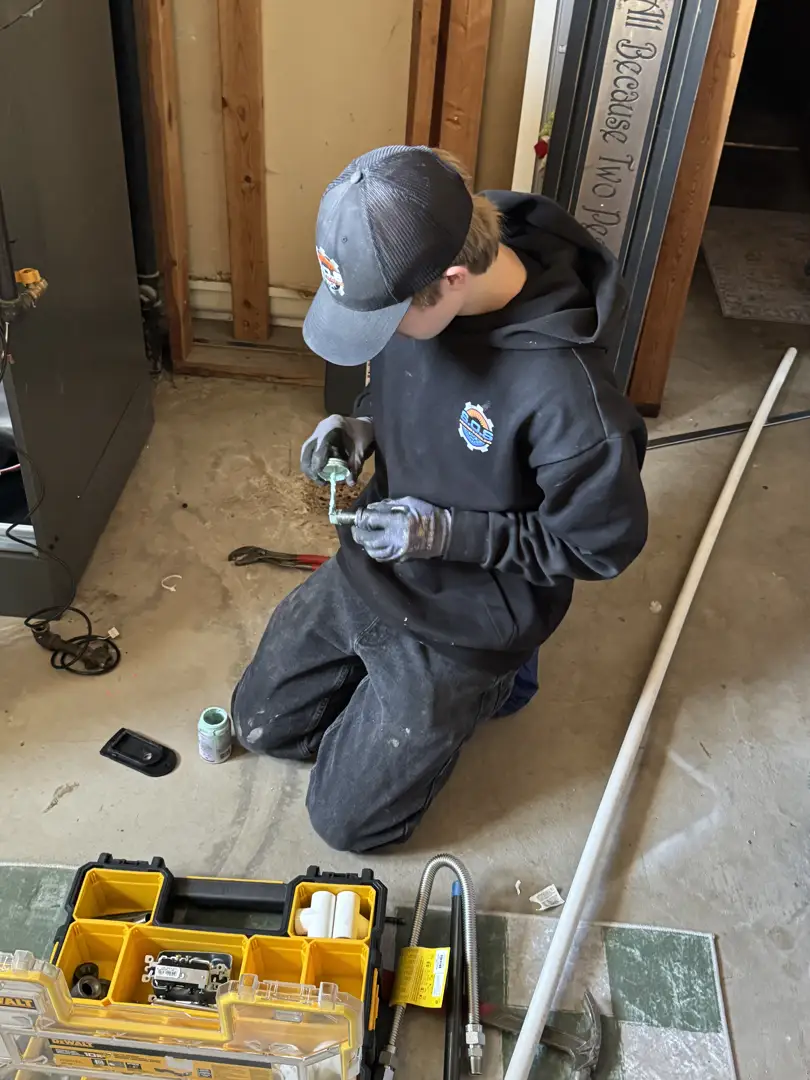
Cheat Sheet to How Hard Water Scale Buildup Leads to Pipe Failure in the Wasatch Front
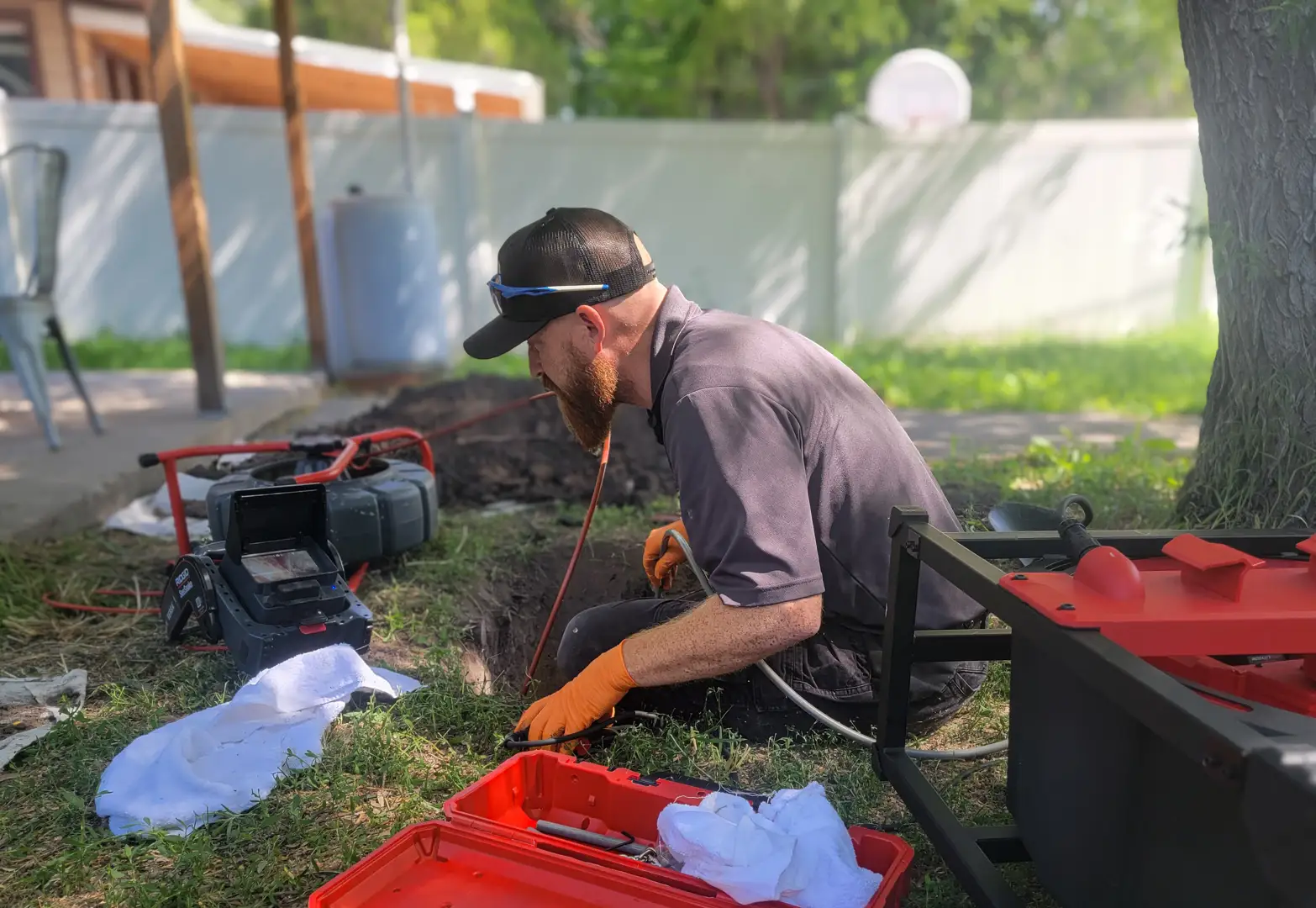
How Often to Inspect a Sewer Line in Salt Lake Valley
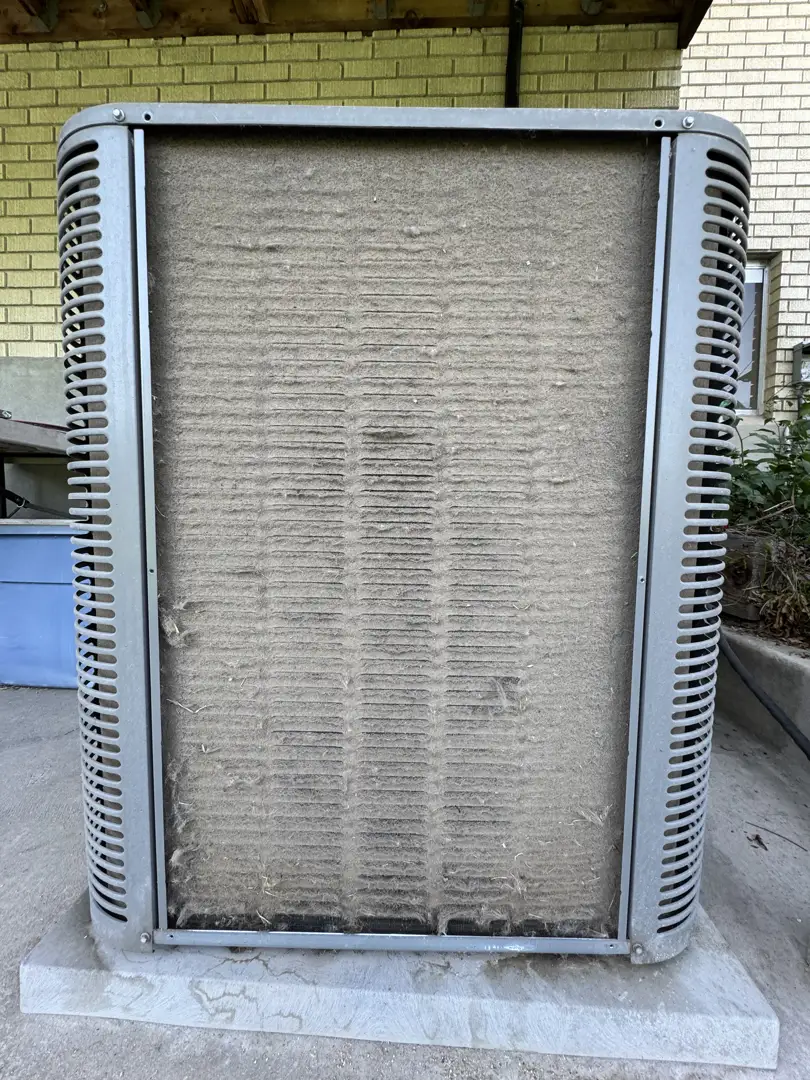
5 Most Common AC Repairs in Hot Dry Wasatch Front Climates