

Stop Killing Your AC and Start Extending Its Life


.avif)

Master the Basics: How to Extend the Life of Your AC Unit Through DIY Care
When we talk about how to extend the life of your ac unit, many homeowners assume it requires a degree in mechanical engineering. In reality, the most impactful steps are ones you can take yourself with just a few minutes of effort. Think of your AC like a car; if you never changed the oil or checked the tires, you wouldn't expect it to hit 200,000 miles. Your cooling system is no different.
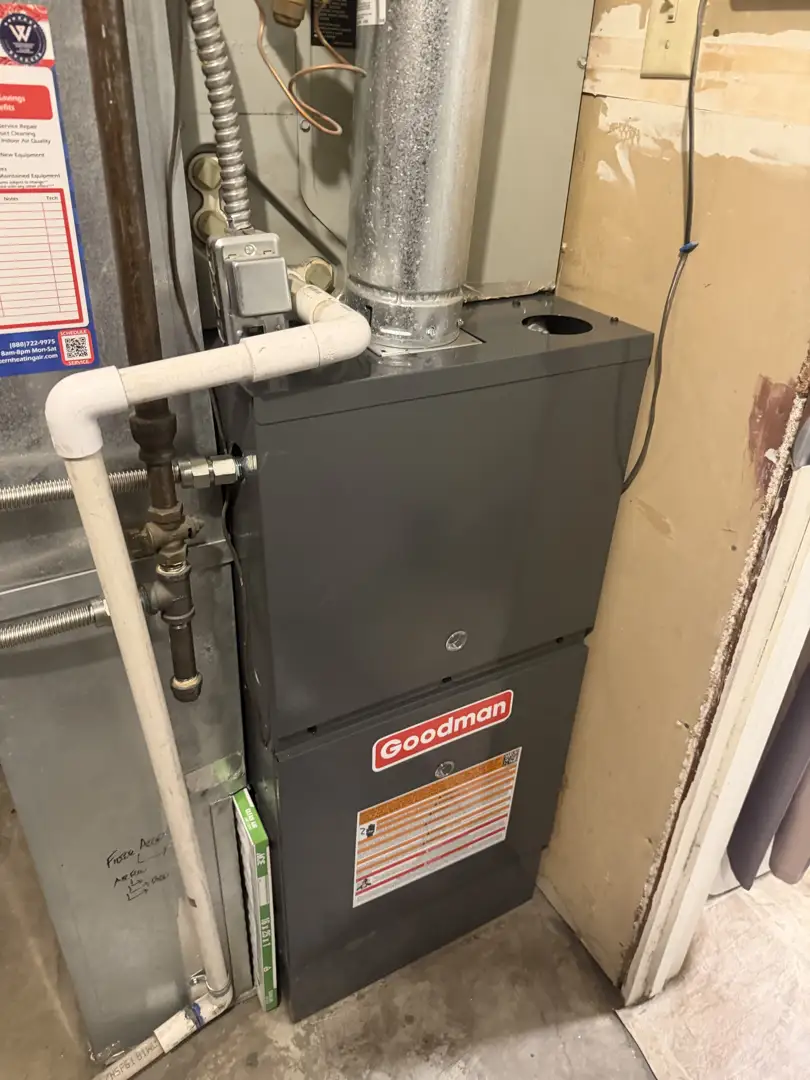
The absolute "holy grail" of DIY maintenance is managing your air filters. We recommend checking your filter every month and replacing it every 30 to 60 days. In May 2026, with modern high-efficiency systems being more sensitive to airflow than ever, this task is non-negotiable. When a filter is clogged with dust, pet hair, and Salt Lake City dander, your blower motor has to work twice as hard to pull air through the system. This creates friction and heat—the two biggest enemies of mechanical longevity.
Choosing the Right HVAC Filter is essential because a filter that is too restrictive (like a high-MERV hospital-grade filter in a system not designed for it) can actually cause as much strain as a dirty one. When airflow is restricted, the evaporator coils inside your home can become too cold, leading to ice buildup and potentially a "slugged" compressor—a death sentence for most units. For a deeper dive into local requirements, check out our AC Maintenance Guide Salt Lake City.
Simple Habits and How to Extend the Life of Your AC Unit Daily
Longevity is often a game of inches. By reducing the total number of hours your compressor has to cycle on and off, you directly extend its functional life. One of the easiest ways to do this is by using ceiling fans. While fans don't actually lower the temperature of a room, they create a wind-chill effect on your skin, allowing you to set your thermostat about 4 degrees higher without losing comfort.
We generally suggest a 78-degree setting when you are home. Every degree you raise the thermostat can reduce the workload on your system significantly. Additionally, try to avoid using heat-producing appliances—like the oven, dishwasher, or clothes dryer—during the hottest part of the afternoon. These appliances force your AC to fight an "internal war" against the heat you're generating inside.
Finally, take a quick walk around your house and ensure that all supply vents and return grilles are unobstructed. We often see homeowners block vents with heavy drapes or furniture. This throws off the pressure balance of the entire system, forcing the AC to work harder to distribute air, which accelerates wear and tear on the internal components.
Maintain Clearance Around the Outdoor Condenser
The outdoor portion of your system, known as the condenser, has one primary job: releasing the heat that was collected from inside your home. If that heat has nowhere to go, the system will "choke," leading to overheating and high energy bills.
We recommend maintaining a minimum of a 2-foot clearance around the entire perimeter of the outdoor unit. This means:
- Trimming back any encroaching sagebrush, shrubs, or decorative tall grasses.
- Removing any "volunteer" weeds or vines that might be growing into the side of the unit.
- Clearing away fallen leaves, grass clippings, or wind-blown debris from the base.
If the delicate aluminum coil fins on the outside are covered in a layer of dust or cottonwood seeds (a common Salt Lake City nuisance!), the heat transfer process is hindered. You can gently clean these with a garden hose using light pressure. Never use a pressure washer, as the high-powered stream will bend the fins flat, permanently blocking airflow. Keeping this area clear ensures your AC can "breathe" and prevents the compressor from running at dangerously high temperatures.
Optimize Your Home Environment to Reduce System Workload
The environment surrounding your AC unit determines how hard it has to work. If your home is "leaky," your AC is essentially trying to cool the entire neighborhood. This constant operation is a primary reason systems fail prematurely.
| Feature | Leaky Ductwork / Poor Insulation | Sealed Ductwork / High Insulation |
|---|---|---|
| Air Loss | Up to 25-30% loss of cooled air | Less than 5% loss of cooled air |
| System Runtime | Frequent, long cycles | Short, efficient cycles |
| Energy Waste | High (paying for air that escapes) | Low (maximum efficiency) |
| Component Wear | High (accelerated motor/compressor aging) | Low (extended lifespan) |
Duct sealing is perhaps the most overlooked strategy for how to extend the life of your ac unit. The typical home loses roughly 25% of its conditioned air through gaps and cracks in the ductwork located in attics or crawlspaces. When that air escapes, the AC has to run much longer to reach the target temperature on your thermostat. By sealing these leaks and improving home insulation, you reduce the system's total runtime, effectively "saving" the life of the motor for future years. For more tips on maximizing your output, see how to Improve Your AC Unit's Efficiency.
Smart Thermostats: A Modern Way to Extend the Life of Your AC Unit
In 2026, smart thermostats have become more than just a convenience; they are essential diagnostic and preservation tools. These devices allow you to set programmable schedules that automatically raise the temperature when the house is empty, ensuring the AC isn't working hard to cool an empty room.
One of the best features for longevity is the "Auto" fan setting. While it might be tempting to leave the fan "On" for constant air movement, this can actually increase humidity and cause unnecessary wear on the blower motor. Using the "Auto" setting ensures the system only runs when cooling is actually required. Furthermore, smart thermostats help prevent "short-cycling"—the rapid turning on and off of the system—which is one of the most common causes of electrical component failure.
Professional Maintenance and Seasonal Preparation
While DIY care is the foundation, there are technical aspects of an AC system that require a professional touch. Think of a professional tune-up as a "medical check-up" for your home. A trained technician can see things that are invisible to the naked eye, such as a capacitor that is beginning to bulge or a refrigerant line with a microscopic leak.
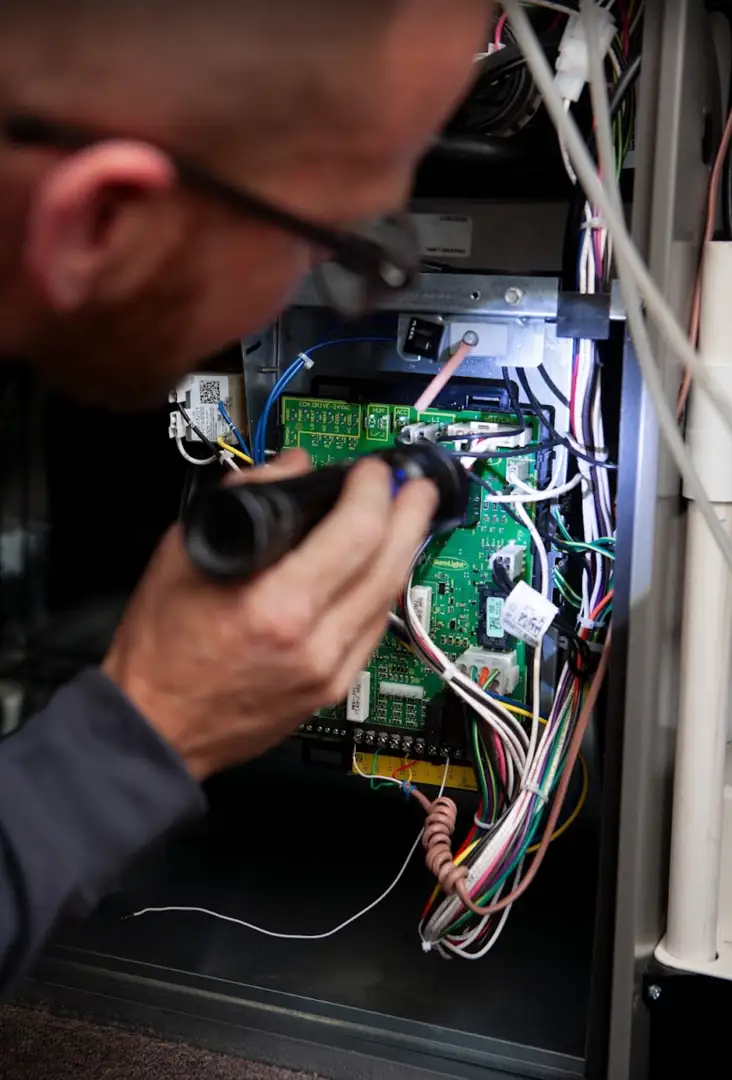
Annual inspections should ideally be scheduled in the spring, before the first major heatwave hits Utah. During a professional visit, we check refrigerant levels to ensure the "heat sponge" of your system is working at peak capacity. How to Prevent AC Refrigerant Leaks is a critical part of our protocol because low refrigerant forces the compressor to run hotter and longer, eventually leading to a total burnout.
Our technicians also tighten electrical connections, lubricate moving parts to reduce friction, and clean the indoor evaporator coils which are often difficult for homeowners to access. To see exactly what we look for, you can review our AC Tune-Up Checklist: What Your Technician Should Check. For those in our local service area, we provide comprehensive AC Maintenance Salt Lake City UT to ensure your system is ready for the desert heat.
Identifying Warning Signs Before Failure
One of the best ways to extend the life of your unit is to catch small problems before they cascade into "catastrophic" ones. Your AC will often try to tell you it's struggling through sound and performance.
- Clicking and Rattling: If you notice your system is making unusual clicking sounds, it could indicate an electrical issue or a failing relay. Ignoring this can lead to a blown motor.
- Frozen Coils: If you see ice on the copper lines or the indoor unit, stop the system immediately. You may need to fix AC that freezes up in Salt Lake City by addressing airflow or refrigerant issues. Running a frozen unit can destroy the compressor.
- Warm Air: When the system is running but the air isn't cold, the unit is essentially spinning its wheels. Check out our guide on AC Not Cooling Properly: What to Check to troubleshoot common culprits like dirty coils or failed capacitors.
Avoiding Common Mistakes and Installation Errors
Believe it or not, the lifespan of your AC is often determined the day it is installed. NIST statistics suggest that nearly half of all HVAC equipment is installed improperly, which can increase energy bills by 30% and shave years off the unit's life. This is why we emphasize professional load calculations (Manual J) to ensure your system is perfectly sized for your home. An oversized unit will "short-cycle," turning on and off too frequently, while an undersized unit will run forever without cooling the home—both scenarios lead to early failure.
Seasonal preparation is also key. As we transition into the colder months in Utah, many homeowners ask about winterizing. For a standard central AC, a breathable cover can help keep out heavy snow and debris. However, if you have a heat pump, never cover it, as the outdoor unit is required to provide heat for your home during the winter.
Frequently Asked Questions About AC Longevity
How long does a central AC unit typically last with proper maintenance?
On average, a well-cared-for central air conditioner will last between 12 and 20 years. In the Salt Lake City area, where we experience extreme temperature swings, a neglected unit may only last 10 to 12 years. However, with consistent filter changes and annual professional tune-ups, it is not uncommon to see high-quality units reach the 20-year mark.
What is the most important DIY maintenance task for extending AC lifespan?
Replacing or cleaning your air filter is the single most important thing you can do. It is the "lungs" of your system. A clean filter ensures optimal airflow, which keeps the motor cool and prevents the evaporator coil from freezing. It is the simplest and most cost-effective way to prevent a premature system replacement.
Why is professional AC maintenance recommended annually?
Professional maintenance is about prevention rather than reaction. A technician can identify "silent killers," like acidic oil or failing capacitors, before they cause the compressor to fail. Additionally, many manufacturers actually require proof of annual professional maintenance to keep your equipment warranty valid. If a major part fails and you haven't had the unit serviced, you might be stuck paying the full price for a replacement.
Conclusion
At S.O.S. Heating & Cooling, we’ve seen how a little bit of proactive care goes a long way. How to extend the life of your ac unit isn't about luck; it's about creating an environment where the machine doesn't have to struggle. From Salt Lake City to Sandy and Draper, our mission is to keep your home comfortable while protecting your pocketbook from unnecessary replacements.
By following the DIY steps of filter management and outdoor clearing, and pairing them with our professional Maintenance Plan, you can ensure your AC stays strong for many summers to come. If your system is making strange noises, or if it’s been more than a year since your last tune-up, don't wait for the heat to find the weak spot.
Ready to give your AC the care it deserves? Contact us today for Professional Air Conditioning Services and let’s make sure your cooling system is ready to go the distance!
Explore Our Latest Insights and Updates in Plumbing Services

How to Fix Dry Winter Air in Utah Homes
How to Stack Rocky Mountain Power and Federal Rebates for HVAC Upgrades in Utah

A Practical Guide to Drain Cleaning Frequency in the Wasatch Front