
Don't Sweat the Bill: Easy Hacks to Keep Your Home Chilled


.avif)

Why Your Summer AC Bill Is So High (And What to Do About It)
How to lower ac bills during summer heat is one of the most searched questions every June — and for good reason. Up to 50% of your home's summer power bill comes from cooling alone. For homeowners in Salt Lake City, where summer temperatures routinely push past 100°F, that number hits fast and hits hard.
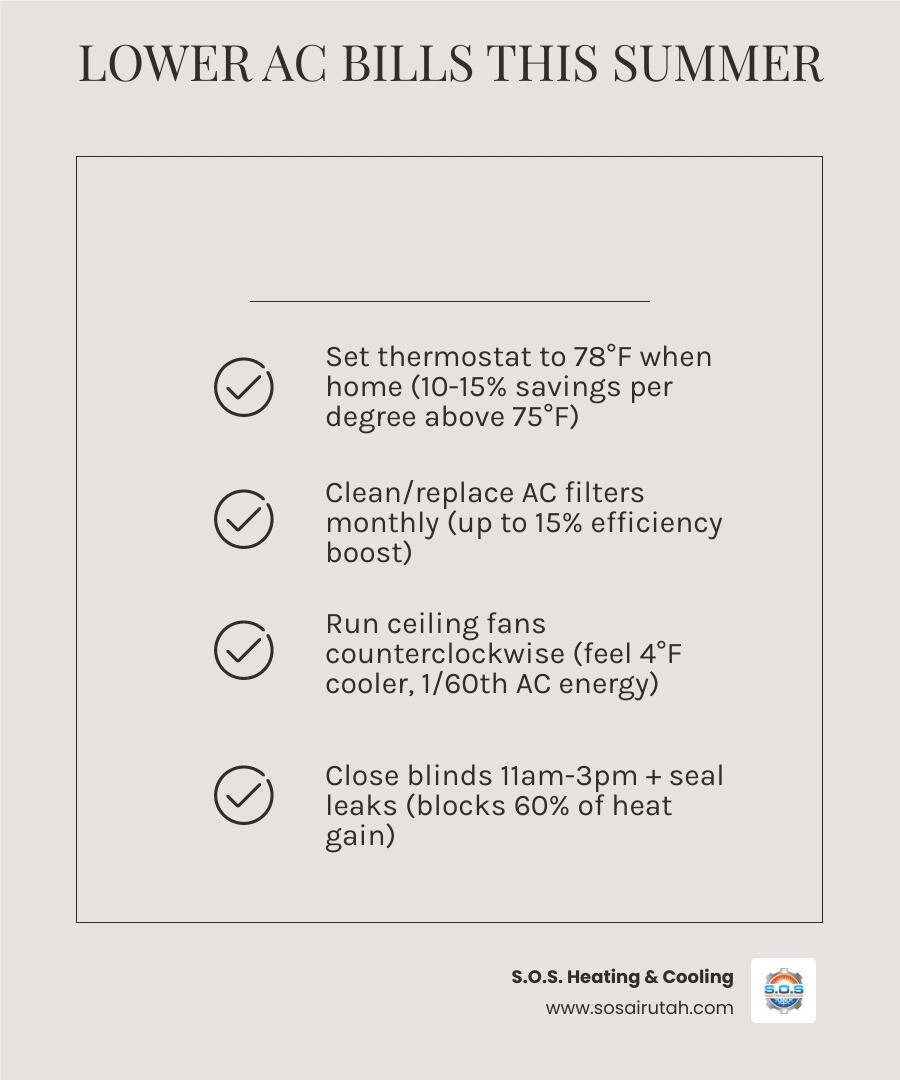
Here are the most effective ways to lower your AC bills this summer:
- Set your thermostat to 78°F when home, and raise it 7-10 degrees when you leave
- Replace or clean AC filters monthly to improve efficiency by up to 15%
- Use ceiling fans counterclockwise to feel 4°F cooler without dropping the thermostat
- Close blinds and shades during peak sun hours (11 a.m. to 3 p.m.)
- Seal air leaks around windows and doors with weatherstripping or caulk
- Shift appliance use (laundry, cooking, dishwasher) to after 6 p.m. on hot days
- Clear debris from your outdoor AC unit to keep airflow unrestricted
- Unplug electronics when not in use to eliminate phantom energy drain
These steps alone — most of them free or low-cost — can meaningfully reduce what you pay each month without sacrificing comfort.
I'm Bryson Ninow, an NATE-certified HVAC professional with years of hands-on experience helping Salt Lake City homeowners find practical, affordable ways on how to lower ac bills during summer heat. In the sections below, I'll walk you through each strategy in detail so you can start saving right away.
Master Your Thermostat for Maximum Savings
One of the simplest answers to how to lower ac bills during summer heat is sitting right on your wall. Your thermostat is the brain of your cooling system, and how you interact with it determines your monthly expenses.
The U.S. Department of Energy recommends setting your thermostat to 78°F when you are at home. While this might sound a bit warm if you are used to keeping your home like a refrigerator, every degree you set your thermostat above 75°F can save you between 10% and 15% on the energy used for cooling.
We often see homeowners try to "blast" the AC by setting the temperature to 60°F, hoping it will cool the house faster. In reality, your AC works at one speed; setting it lower only makes it run longer, which wastes money. Instead, focus on body acclimation. It takes a few days for the human body to adjust to a slightly warmer indoor environment. By raising the temperature one degree at a time, you can find a balance that keeps you comfortable without the sticker shock when the bill arrives.
Furthermore, you can save as much as 10% a year on cooling by simply adjusting your thermostat 7°F to 10°F higher for 8 hours a day from its normal setting. This is ideal for when you are at work or sleeping. Understanding how a tune-up improves efficiency and lowers bills is also vital, as a well-calibrated thermostat won't help much if the system itself is struggling to keep up.
How to Lower AC Bills During Summer Heat with Smart Thermostats
In May 2026, smart home technology has made it easier than ever to automate your savings. Smart thermostats allow for remote scheduling and real-time adjustments via your smartphone. If you forget to turn up the AC before heading to a Bees game or a day at Lagoon, you can do it from your phone.
These devices also use room sensors to track temperatures in different parts of your home, ensuring the AC doesn't overwork just because one room is slightly warmer. However, these sensors can sometimes lead to confusion if not placed correctly. For instance, what causes AC sensor malfunction Farmington is often related to sensors being placed near heat-emitting appliances like lamps or TVs, which tricks the system into thinking the room is hotter than it actually is.
Smart thermostats also provide detailed usage patterns. By reviewing these, we can help you identify exactly when your energy consumption spikes and how to adjust your habits to flatten that curve.
How to Lower AC Bills During Summer Heat with Maintenance
Maintenance isn't just about preventing breakdowns; it’s about protecting your wallet. A neglected AC unit has to work significantly harder to move air and remove heat, which drives up your kilowatt-hour usage.
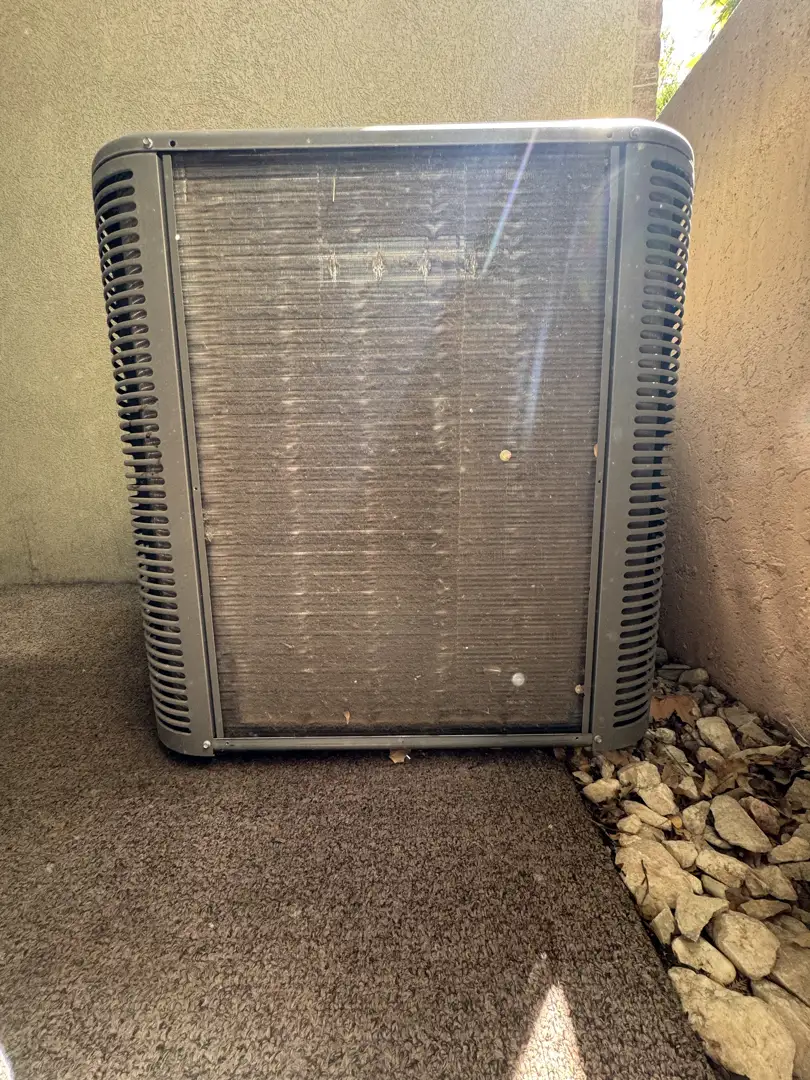
The most critical maintenance task for any homeowner is checking the air filter. A clogged filter restricts airflow, forcing the motor to strain. Clearing or replacing a clogged A/C unit filter alone can save 5% to 15% in energy use. We recommend checking your filter every single month during the peak of a Utah summer. If you have pets or live in an area with high dust, you might need a fresh one more often. To help you choose the right one, we’ve put together a guide on choosing an conditioner filter that balances air quality with system efficiency.
For residents in Salt Lake City, professional intervention is also a key part of the puzzle. Scheduling regular AC maintenance Salt Lake City UT ensures that your refrigerant levels are correct, your coils are clean, and your electrical connections are tight.
Clearing the Condenser and Vents
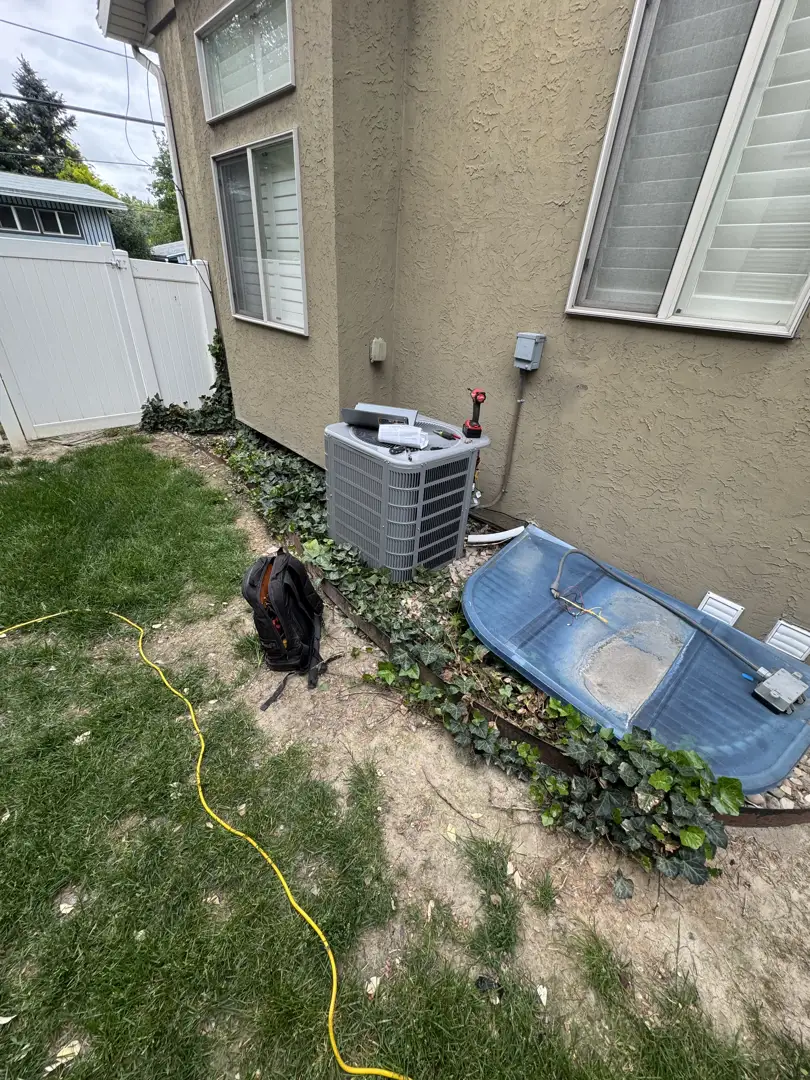
Your outdoor condenser unit needs to "breathe" to release the heat it has pulled from your home. If it is surrounded by tall grass, weeds, or fallen leaves, it becomes an energy hog. We suggest keeping a two-foot clearance around the unit.
Inside the home, check your vents. A common mistake is placing furniture or heavy curtains over supply or return vents. This creates airflow restriction, which makes the system work longer to achieve the desired temperature. If you’re noticing weak airflow, it’s important to solve AC airflow restriction in Salt Lake City before it leads to a total system freeze-up.
When we come out for a visit, we follow a rigorous AC tune-up checklist what your technician should check to ensure every component of your system is operating at peak performance.
Optimize Your Home’s Envelope and Airflow
If your home is "leaky," you are essentially paying to cool the entire neighborhood. Optimizing your home’s envelope — the barrier between the inside and outside — is a major factor in how to lower ac bills during summer heat.
Windows are a primary source of heat gain. In fact, about 76% of sunlight that falls on standard double-pane windows enters your home as heat. Using window treatments like cellular shades can reduce unwanted solar heat through windows by up to 60%. We recommend closing blinds and drapes on the south and west-facing sides of your house during the hottest parts of the day (typically 11 a.m. to 3 p.m.).
Other envelope improvements include:
- Weatherstripping: Seal gaps around doors and windows to keep the cool air in.
- Attic Insulation: Heat rises, but it also pushes down from a hot attic. Ensure your attic has a minimum insulation rating of R-38.
- Sealing Ducts: Leaky ducts can lose up to 15% of your cooled air before it ever reaches your living space. This is a primary reason why your HVAC system has poor airflow.
Using Fans to Create a Wind Chill Effect
Fans don't actually lower the temperature of a room; they cool people. By moving air over your skin, they create a "wind chill" effect that helps moisture evaporate, making you feel about 4 degrees cooler. This allows you to raise your thermostat setting without losing comfort.
The key is the direction of the blades. In the summer, ceiling fans should rotate counter-clockwise to push a breeze straight down. Because fans use roughly 1/60th the energy of an air conditioner, they are incredibly cost-effective. Just remember the golden rule: fans cool people, not rooms. Turn them off when you leave the room to avoid wasting electricity.
If your fan isn't working correctly, it could be a sign of a larger issue. For example, AC condenser fan motor failure Layton can impact your entire system’s ability to dissipate heat, leading to higher bills and potential damage.
Strategic Habits and Upgrades for Long-Term Savings
Beyond mechanical fixes, your daily habits play a huge role in your energy consumption. One of the best ways to lower your costs is to shift the use of heat-generating appliances to off-peak hours. Running your dishwasher, dryer, or oven in the middle of a 100-degree afternoon forces your AC to fight the extra heat those appliances produce. Wait until after 6:00 p.m. to tackle these chores.
You should also be wary of "phantom energy." Any device with a digital clock or a standby light (like coffee makers, chargers, and game consoles) is pulling power even when turned off. These "vampire loads" can account for up to 20% of your monthly bill. Using power strips to easily cut power to these devices can lead to surprising savings.
If your unit is more than 10-12 years old, it may be time to consider an upgrade. Modern units have much higher SEER (Seasonal Energy Efficiency Ratio) ratings. Moving from an old SEER 10 unit to a new SEER 16 or higher model can slash your cooling costs by a significant margin. However, the unit is only as good as its setup, which is why we emphasize the importance of proper AC installation.
How to Lower AC Bills During Summer Heat with Strategic Landscaping
Landscaping is a long-term investment that pays off every summer. Planting deciduous trees (trees that lose their leaves in winter) on the south and west sides of your home provides natural shade during the summer while allowing the sun to warm your home in the winter.
Interestingly, shading your outdoor AC unit itself can make the system up to 10% more efficient. Just be sure that any shrubs or trees are at least two to three feet away to allow for proper airflow. For more localized tips, check out our AC maintenance guide Salt Lake City.
Frequently Asked Questions about How to Lower AC Bills During Summer Heat
What is the best thermostat setting for summer?
The U.S. Department of Energy recommends 78°F when you are at home. This provides the best balance between comfort and energy savings. If you find this too warm, try lowering it to 75°F and then raising it by one degree each day to help your body acclimate. For more on local climate considerations, see our page on HVAC maintenance Utah.
Should I close vents in unused rooms?
This is a debated topic. While it seems logical to not cool a room you aren't using, closing too many vents can increase air pressure in your ductwork, leading to leaks or putting undue strain on the blower motor. It can even cause the evaporator coil to freeze. If you choose to close vents, only do so in one or two rooms and monitor your system for signs of AC airflow restriction in Salt Lake City.
How often should I change my AC filter in the summer?
You should check your filter every 30 days. In Utah, summer windstorms can kick up a significant amount of dust and debris that can clog a filter faster than usual. Depending on the type of filter you use, you may need to replace it every 1 to 3 months. Reference our guide on choosing an conditioner filter for more specifics on different filter lifespans.
Conclusion
Lowering your AC bills doesn't have to mean suffering through the heat. By combining smart thermostat habits, consistent DIY maintenance, and strategic home improvements, you can stay cool while keeping your utility costs under control.
At S.O.S. Heating & Cooling, we are dedicated to helping our neighbors in Salt Lake City, Draper, Layton, and the surrounding areas achieve maximum home comfort with minimum energy waste. Whether you need a quick tune-up or a comprehensive energy assessment, our NATE-certified technicians are here to help 24/7.
Don't let a high energy bill ruin your summer. Schedule your professional AC maintenance today and let us help you keep your home chilled for less!

Plumbing
Expert plumbing services offering reliable repairs, installations, maintenance, and emergency support.

Air Conditioning
Comprehensive air conditioning services include installation, repairs, maintenance, and energy-efficient solutions.
Heat Pumps
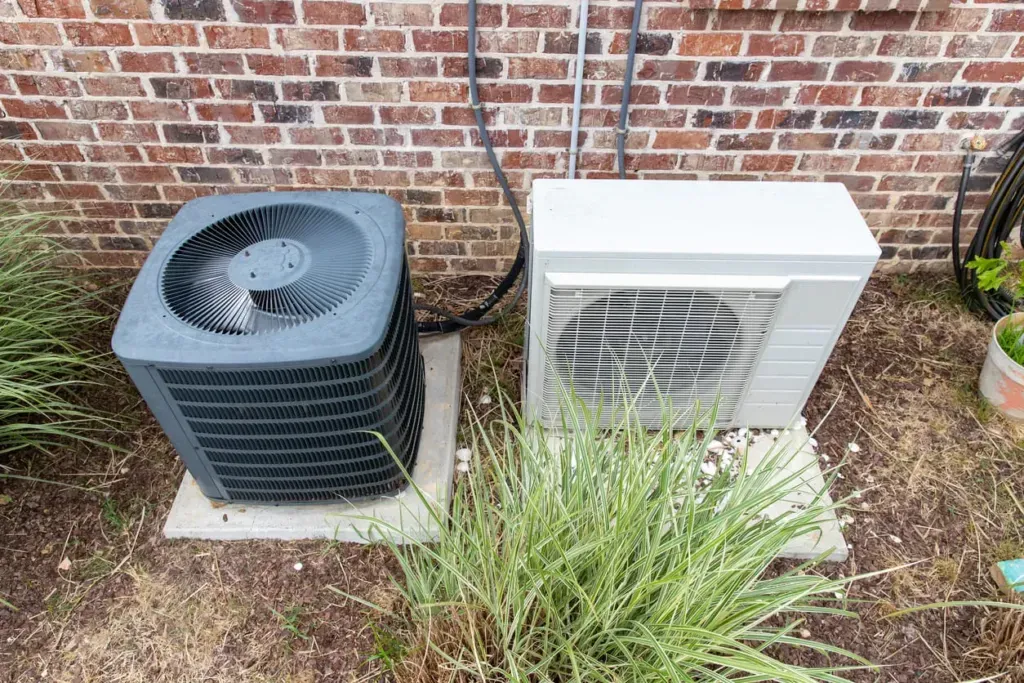
Enjoy year-round comfort with our energy-efficient and professional heat pump solutions.

Indoor Air Quality
Enhance your home’s air with our cutting-edge indoor air quality solutions you can trust.

Fireplaces
Transform your space into a warm and cozy atmosphere with our professional fireplace services.

Heating
Specialized heating services provide reliable installation, repair, system maintenance, and energy-optimization solutions.
Explore Our Latest Insights and Updates in Plumbing Services
Step-by-Step Guide to Professional Pipeline Leak Detection in Utah Homes
The Ultimate Guide to Utah Clay and Sandy Soil Sewer Line Damage