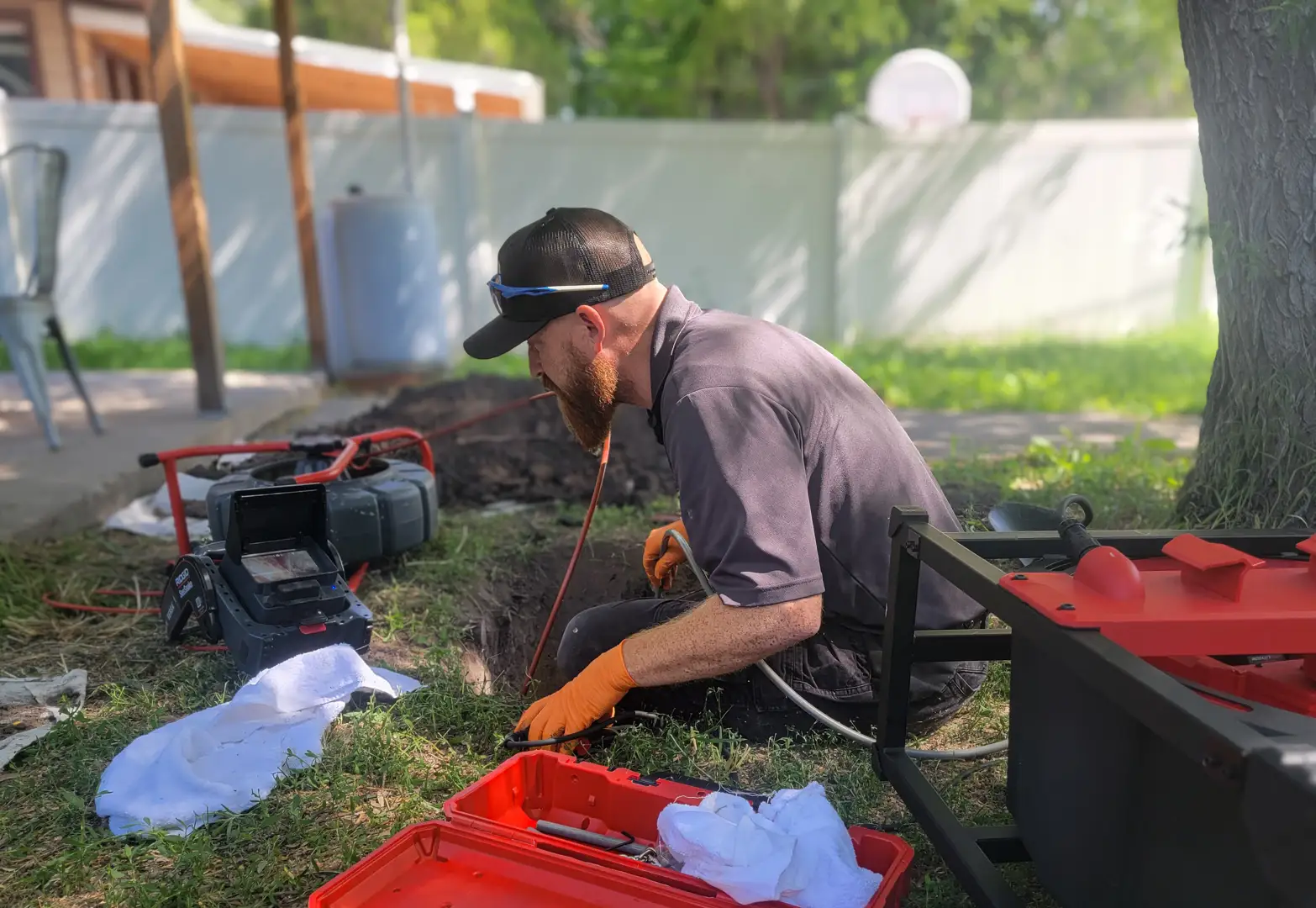

The Ultimate Guide to Utah Clay and Sandy Soil Sewer Line Damage


.avif)

Why Utah's Unique Soil Is Quietly Destroying Sewer Lines Across the Wasatch Front
How utah clay and sandy soil conditions damage sewer lines over time is one of the most underappreciated threats facing homeowners across the Salt Lake Valley. The ground beneath your home is not static. Utah's soil — a legacy of ancient Lake Bonneville and the ongoing geological activity along the Wasatch Front — is a shifting, swelling, and eroding mix of expansive clay and loose sandy deposits. These conditions place relentless mechanical stress on buried sewer pipes, quietly causing cracks, misalignment, joint failures, and full collapses that can go unnoticed for years.
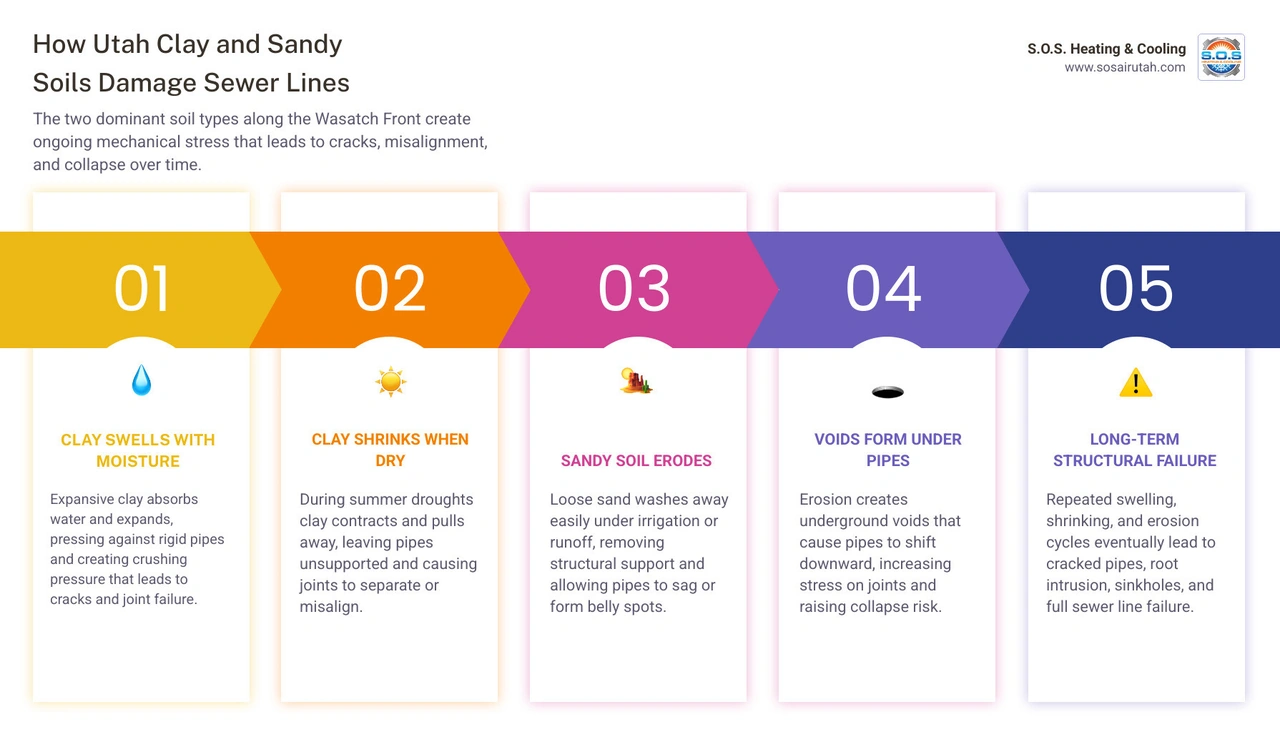
Here is a quick breakdown of how Utah's two dominant soil types damage sewer lines:
Clay Soil Damage Mechanisms:
- Absorbs moisture and swells, pressing against rigid pipes
- Dries out and contracts in summer, pulling pipe joints apart
- Creates accordion-like stress that cracks older clay and cast iron pipes
- Slows water drainage, keeping soil saturated near pipe walls longer
Sandy Soil Damage Mechanisms:
- Washes away easily, removing support from beneath pipes
- Creates voids that allow pipes to sag and form low spots (called "bellies")
- Increases the risk of pipe collapse without surrounding soil support
- Accelerates erosion during spring runoff and heavy irrigation
Utah's soil composition varies significantly across regions — from the dense, expansive clay common in Salt Lake City and the Wasatch bench communities to the looser, sandy soils found in desert areas further south. Both types create serious long-term risks for sewer infrastructure, particularly in homes built before the mid-1970s that still rely on original clay or Orangeburg pipe.
My name is Bryson Ninow, and while my background is rooted in HVAC, years of working in Utah homes have given me a front-row view of how how utah clay and sandy soil conditions damage sewer lines over time connects directly to the broader challenge of keeping aging home systems intact in this unique environment. In this guide, I'll walk you through exactly what is happening beneath your yard and what you can do about it.
How Utah Clay and Sandy Soil Conditions Damage Sewer Lines Over Time
To understand why our sewer lines struggle so much along the Wasatch Front, we have to look at the ground itself. The geological history of our region has left us with a highly unpredictable subterranean landscape. In areas like Salt Lake City, Holladay, and Millcreek, homeowners contend with heavy, dense clay. Meanwhile, down in Sandy and parts of Draper, the soil transitions to loose, granular sand.
These contrasting soil types don't just sit there; they actively interact with underground plumbing. Over decades, the physical properties of clay and sand work to degrade, bend, and break even the sturdiest sewer lines. If you want to dive deeper into the geological forces at play, you can read our detailed breakdown on How Shifting Soils Along the Wasatch Front Damage Sewer Pipes.
The Science of Clay Soil Expansion and Contraction
Clay is a unique and challenging material. At a microscopic level, clay particles are incredibly tiny—less than 0.002 millimeters in diameter. Because of their flat, plate-like shape, they have a massive surface area that loves to bond with water. When Utah experiences heavy spring snowmelt or intense rainstorms, these clay particles absorb water like a sponge. As they hydrate, they swell, expanding in volume and exerting immense upward and outward pressure on anything buried within them.
During our hot, dry Utah summers, the exact opposite happens. The clay loses its moisture, shrinks, and cracks. This constant, cyclical movement acts like a slow-motion accordion, repeatedly squeezing and pulling at your sewer line. For older, rigid pipes, this mechanical stress is devastating. It shears pipe joints, forces sections out of alignment, and eventually cracks the pipe walls, creating easy entry points for water and tree roots.
Sandy Soil Erosion and the Risk of Pipe Collapse
While clay damages pipes through brute force and expansion, sandy soil destroys them through a lack of support. Sandy soils are highly permeable and do not bind together. They are easily washed away by underground water movement, whether from a high water table, heavy irrigation, or a minor leak in the sewer line itself.
When sandy soil washes away, it leaves behind empty voids or air pockets beneath the sewer pipe. Lacking a solid foundation, the heavy pipe will begin to sag under its own weight and the weight of the soil above it. This sagging creates what plumbers call a "belly"—a low spot in the line where waste and water pool instead of flowing downward. Over time, these bellies collect solid waste, leading to chronic clogs. In severe cases, the unsupported pipe sections will crack or completely collapse, resulting in a sudden, messy sewer backup.
Common Sewer Pipe Materials and Their Vulnerability to Utah Soils
Not all sewer pipes are created equal, and how they handle Utah’s soil conditions depends heavily on what they are made of. In many historic and mid-century neighborhoods across Salt Lake County, we find a mix of outdated materials that are highly susceptible to soil-related damage.
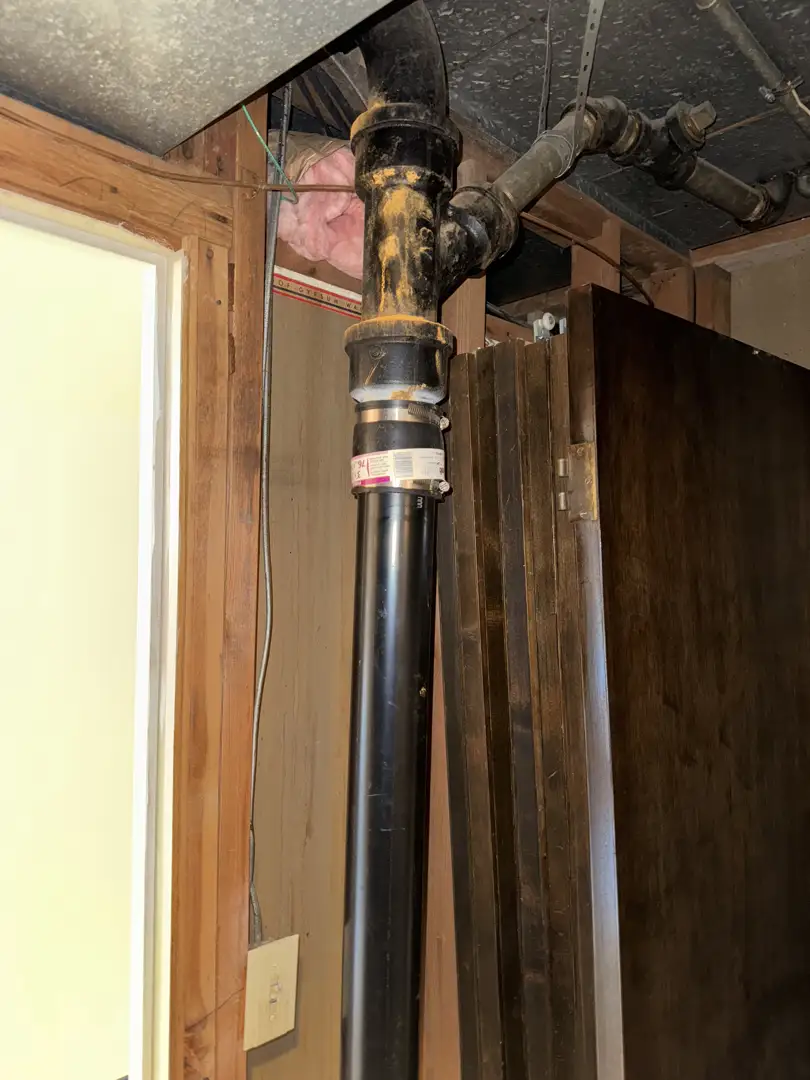
To help you understand what might be lying beneath your lawn, we’ve put together a comparison of the most common sewer pipe materials found in Utah:
| Pipe Material | Common Installation Era | Average Lifespan in Ideal Conditions | Estimated Lifespan in Shifting Utah Soils | Key Vulnerabilities to Clay & Sand |
|---|---|---|---|---|
| Orangeburg | 1940s – 1972 | 30–50 Years | 20–30 Years | Absorbs moisture, deforms under clay pressure, easily collapses in sandy voids |
| Vitrified Clay | 1800s – 1980s | 50–60 Years | 30–50 Years | Brittle; joints easily pull apart during clay expansion and contraction |
| Cast Iron | 1900s – 1980s | 50–70 Years | 40–50 Years | Prone to internal rust pitting and external corrosion from acidic clay soils |
| PVC / ABS | 1970s – Present | 100+ Years | 70–100+ Years | Highly resilient; flexible enough to withstand minor shifting without breaking |
Clay and Cast Iron Pipes Under Soil Pressure
Vitrified clay pipes were the industry standard for decades. While clay is naturally resistant to chemical corrosion, it is incredibly brittle. Furthermore, older clay lines were installed in short three-to-four-foot sections, resulting in dozens of joints along a single residential line. As Utah’s clay soils swell and shrink, these joints shift, crack, and pull apart, creating offsets that block waste and invite tree roots.
Cast iron was also widely used, particularly for lines running beneath home foundations. While stronger than clay, cast iron is highly vulnerable to corrosion. When buried in damp, poorly drained clay soil, cast iron undergoes chemical reactions that lead to external rust pitting. Internally, cast iron develops scale—a rough buildup of rust and mineral deposits that catches debris and slows down water flow. You can learn more about identifying these aging pipe failures in our guide on Drain and Sewer Line Problems Signs and Solutions.
Modern PVC and ABS Alternatives
Today, modern plastic pipes like PVC (polyvinyl chloride) and ABS (acrylonitrile butadiene styrene) are the gold standard. Unlike their predecessors, plastic pipes are incredibly smooth, which prevents waste from sticking to the pipe walls.
More importantly, PVC is slightly flexible. When the clay soil along the Wasatch Front shifts, a PVC pipe can bend slightly to accommodate the movement rather than snapping. PVC pipes are also joined using chemical solvent welding, creating seamless, watertight joints that are virtually impervious to root intrusion. If you are considering upgrading your home's aging line, explore our Fix Sewer Line Salt Lake City Complete Guide for a comprehensive look at the process.
Environmental Triggers: Seasonal Shifts and Tree Root Intrusion
Utah’s extreme climate accelerates the damage caused by clay and sandy soils. Our cold winters, rapid spring runoffs, and dry summer droughts create a perfect storm of environmental triggers that push vulnerable sewer lines to their breaking points.
How Utah Clay and Sandy Soil Conditions Damage Sewer Lines Over Time During Summer Droughts
July and August are peak seasons for sewer line failures in Utah, and it all comes down to water. During our hot, dry summers, the topsoil dries out completely, and the water table drops. Thirsty trees and shrubs must search deeper underground to find water.
Sewer lines are a constant source of moisture, warmth, and nutrients. Because older clay and cast iron pipes leak tiny amounts of water vapor through their shifting joints, they create a moisture gradient in the dry soil. Tree roots can smell this moisture and will grow toward it—sometimes up to a foot per day during the peak growing season. Once a root hair finds a microscopic crack or a loose joint, it squeezes inside. As the root feeds on the wastewater, it grows thicker, eventually shattering the pipe from the inside out. For long-term fixes to this common issue, check out our Solutions for Tree Root Sewer Blockages.
Freeze-Thaw Cycles and Spring Runoff
Winter and spring bring their own set of hazards. In Utah, sewer lines are typically buried between 18 and 24 inches deep. During harsh winters, the ground freezes down to this depth. As water in the soil freezes, it expands, putting severe downward and lateral pressure on the buried pipes.
When spring arrives, rapid snowmelt saturates the clay and sandy soils. In clay areas, this sudden influx of water causes rapid soil swelling, which can shear pipes that were already stressed by winter's freeze-thaw cycles. In sandy areas, the heavy runoff washes away loose soil, triggering sudden pipe sags and joint separations.
Warning Signs and Modern Repair Solutions for Utah Homeowners
Sewer line problems can be terrifying, but they don't have to ruin your yard or your budget. Recognizing the early warning signs of soil-related pipe damage allows you to take action before a catastrophic backup occurs.
Identifying Soil-Related Sewer Damage Early
Keep an eye (and an ear) out for these common warning signs that shifting or eroding soils are affecting your sewer line:
- Slow Drains: If multiple sinks, tubs, and toilets in your home drain slower than a tired tortoise, the issue is likely in your main sewer line, not an individual fixture.
- Gurgling Sounds: A gurgling or bubbling sound coming from your toilet when you run the washing machine or take a shower indicates trapped air caused by a partial blockage or a pipe belly.
- Soggy or Extra-Green Grass: If a specific patch of your lawn is unusually lush, green, or soggy—even during a dry summer stretch—it’s a strong sign that a cracked sewer pipe is leaking water and nutrients into the soil.
- Foul Odors: Persistent sewer gas smells in your home or yard mean waste is escaping through a cracked or completely broken pipe.
If you notice any of these signs, scheduling a professional video camera inspection is the best next step. Homeowners in Murray and surrounding areas can read more about what to expect during this quick, non-invasive process in our guide on Sewer Line Inspection in Murray UT.
Trenchless Repair Methods for Shifting Soils
Gone are the days when fixing a sewer line meant digging a massive, destructive trench through your pristine landscaping, driveway, and porch. Today, we utilize advanced trenchless technologies that are perfectly suited for Utah’s challenging clay and sandy soils:
- Cured-in-Place Pipe (CIPP) Lining: This method involves inserting a flexible, epoxy-saturated liner into your existing damaged pipe. Once in place, the liner is inflated and cured, creating a brand-new, seamless, and jointless "pipe within a pipe." Because it has no joints, tree roots cannot penetrate it, and it is flexible enough to withstand future clay soil movement.
- Pipe Bursting: If your old pipe is too badly collapsed or deformed for lining, pipe bursting is an excellent alternative. A heavy, cone-shaped bursting head is pulled through the old pipe, shattering it outward into the surrounding soil while simultaneously pulling a brand-new, durable HDPE (high-density polyethylene) pipe into place behind it.
These modern methods save time, minimize property disruption, and provide a permanent solution to soil-related damage. If you live in the Sandy area, you can learn more about our local trenchless options by visiting our service page on how we Fix Sewer Line Sandy UT.
Frequently Asked Questions About Soil-Related Sewer Damage
How Utah clay and sandy soil conditions damage sewer lines over time compared to other regions?
Utah's geology is highly unique due to the legacy of Lake Bonneville, which covered much of western Utah thousands of years ago. As the lake receded, it left behind thick, heavy layers of lacustrine clay in some areas and loose deltaic sand in others.
Combined with our extreme climate—which features freezing winters, wet springs, and scorching, bone-dry summers—our soils experience far more dramatic expansion, contraction, and erosion cycles than soils in milder, more geologically stable regions of the country. This constant ground movement subjects Utah sewer lines to continuous physical stress that rapidly accelerates their deterioration.
How often should homeowners in Sandy, Utah have their sewer lines inspected?
If you live in Sandy, Utah, where sandy, collapsible soils are common, or if your home was built before 1990, we highly recommend having your sewer line inspected with a video camera every 1 to 2 years.
Sandy soils are prone to shifting and creating voids that lead to pipe bellies, and proactive inspections can catch these sags before they turn into complete structural collapses or major blockages. For more tips on keeping your system running smoothly, check out our guide on Preventing Sewer Line Backups in Murray.
What preventive landscaping steps can protect sewer lines from soil movement?
You can protect your underground pipes by managing the moisture levels in your soil and making smart landscaping choices:
- Improve Yard Grading: Ensure the ground slopes away from your home's foundation and sewer line path to prevent rainwater from pooling and saturating the clay soil.
- Extend Downspouts: Direct your gutter downspouts at least 10 feet away from your home and away from the buried sewer line.
- Install French Drains: If your yard has poor drainage, a French drain can help divert excess water away from your pipes, reducing clay swelling.
- Practice Smart Tree Placement: Avoid planting water-seeking trees—such as willows, cottonwoods, maples, and elms—within 40 feet of your sewer line. If you do have trees nearby, consider installing physical root barriers in the soil.
Conclusion
Your home’s sewer line is its unsung hero, working quietly beneath the surface to keep your household safe and clean. However, the unique clay and sandy soils of the Wasatch Front are constantly working against it. By understanding how these soils cause damage over time, recognizing the early warning signs of trouble, and utilizing modern trenchless repair options, you can protect your home and enjoy peace of mind.
At S.O.S. Heating & Cooling, we are proud to provide expert plumbing and sewer services to homeowners across Salt Lake City and the surrounding bench communities. Whether you need a routine camera inspection, emergency root removal, or a complete trenchless sewer replacement, our friendly, licensed team is here to help 24/7.
Don't wait for a costly backup to disrupt your life. If you suspect your sewer line is struggling against Utah's shifting soils, contact us today to schedule an inspection, or learn more about our local services by visiting our page on how we Fix Sewer Line Millcreek UT. We treat every customer like a neighbor, not a number, and we are ready to make sure your home's hidden infrastructure is built to last.

Plumbing
Expert plumbing services offering reliable repairs, installations, maintenance, and emergency support.

Air Conditioning
Comprehensive air conditioning services include installation, repairs, maintenance, and energy-efficient solutions.
Heat Pumps
Enjoy year-round comfort with our energy-efficient and professional heat pump solutions.

Indoor Air Quality
Enhance your home’s air with our cutting-edge indoor air quality solutions you can trust.

Fireplaces
Transform your space into a warm and cozy atmosphere with our professional fireplace services.

Heating
Specialized heating services provide reliable installation, repair, system maintenance, and energy-optimization solutions.
Explore Our Latest Insights and Updates in Plumbing Services
What Humidity Level Should I Maintain in My Salt Lake City Home During Winter
In Depth Guide to Dominion Energy Rebates for High Efficiency Furnace Replacement in the Salt Lake Valley