

Plumbing Tips to Keep Your Kitchen Remodel from Going Down the Drain


.avif)

Why Kitchen Remodeling Plumbing Considerations for Homeowners Can Make or Break Your Renovation
Kitchen remodeling plumbing considerations for homeowners include assessing existing pipe condition, planning fixture locations early, pulling the right permits, coordinating with other trades, and pressure-testing all lines before closing walls. Here is a quick overview of what matters most:
- Assess your existing plumbing before finalizing any layout decisions
- Keep fixtures in place when possible to control costs and complexity
- Pull permits early — major plumbing changes almost always require municipal approval
- Replace aging pipes (especially galvanized steel) while walls are already open
- Pressure-test all new lines before drywall goes up
- Coordinate your plumber with your cabinet and countertop crews to avoid costly rework
- Plan appliance connections (dishwasher, refrigerator, pot filler) during the design phase, not after
A kitchen remodel is one of the most exciting — and most stressful — projects you can take on as a homeowner. Most people spend months choosing cabinet finishes, countertop materials, and appliances. But the plumbing hiding behind those walls? It often gets an afterthought.
That's a problem. Think of a kitchen remodel like a game of dominoes. Move the sink, and you affect the drain slope. Change the drain slope, and you may need to re-route the stack. Re-route the stack, and suddenly you're into permit territory and structural decisions. One choice sets off a chain reaction that touches nearly every other part of the project.
The good news is that with the right planning upfront, you can avoid the most expensive surprises. Whether you're adding a kitchen island with a prep sink, upgrading to a touchless faucet, or finally replacing those original 1970s galvanized pipes, understanding the plumbing side of your remodel gives you real control over your timeline, your budget, and the long-term functionality of your kitchen.
My name is Bryson Ninow, and while my background is rooted in the home services trades, I have spent years helping homeowners navigate the technical decisions that make or break a renovation — including the kitchen remodeling plumbing considerations for homeowners that this guide covers in full. I will walk you through everything you need to know, from pre-planning to final inspection, so your remodel finishes strong.

Essential Kitchen Remodeling Plumbing Considerations for Homeowners
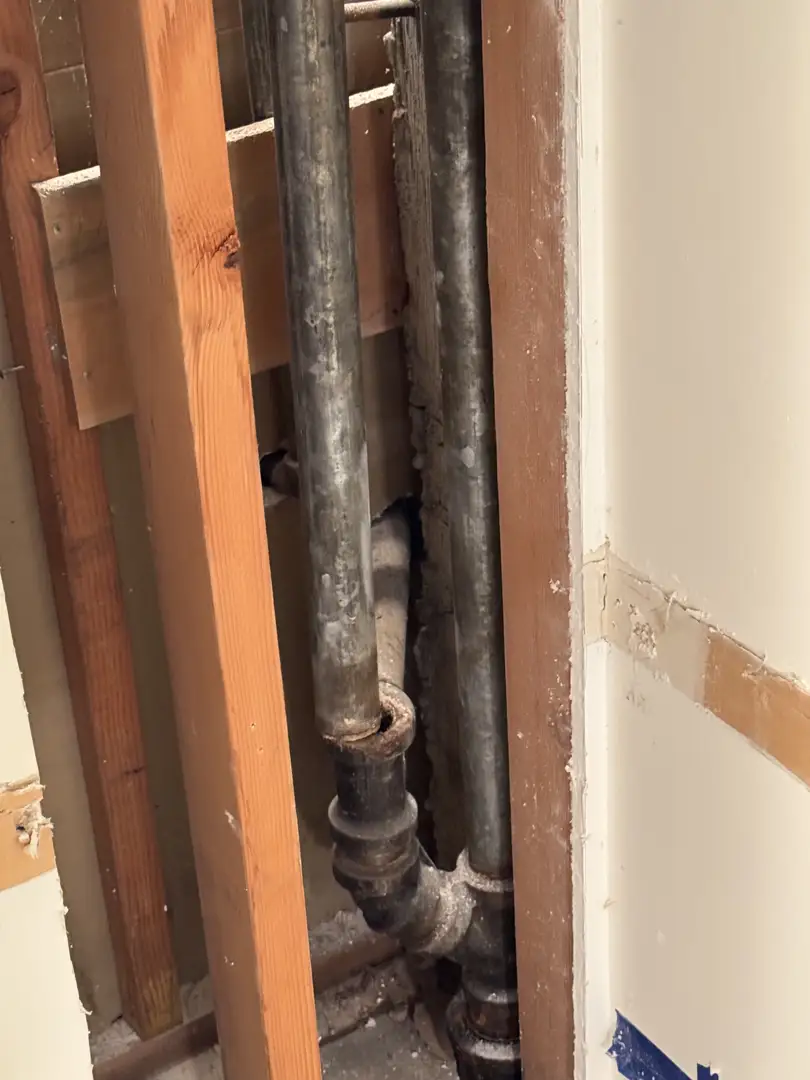
Before the first sledgehammer swings, we need to talk about the "why" and the "how" of your kitchen's water system. Many homeowners in the Salt Lake City area start with a Pinterest board, but a successful renovation starts with a blueprint of what’s happening behind the drywall.
Pre-Planning Checklist
The most expensive words in remodeling are "I didn't think of that." To avoid those mid-project heart attacks, we recommend a thorough pre-planning phase. This involves more than just looking at where the sink is now; it’s about understanding the limits of your home’s infrastructure. If you're looking for a deep dive into local specifics, our Kitchen Remodeling Guide Sandy UT offers a great starting point for residents in our service area.
Layout Assessment and the Kitchen Triangle
Functional flow is the secret sauce of a great kitchen. The "Kitchen Triangle"—the path between the sink, the refrigerator, and the stove—is the gold standard for efficiency. However, plumbing often dictates where these elements can live. A sink must be near a drain stack, and a dishwasher must be near the sink. If you want to break these rules, you need to prepare for the technical work required to move those lines.
Infrastructure Assessment: Pipes and Pressure
We always tell our clients to look at the age of their home. If your house was built before 1980, you likely have galvanized steel pipes. These are ticking time bombs for corrosion and low water pressure. During your assessment, we check:
- Existing Pipe Condition: Are there signs of slow leaks or "furring" (mineral buildup)?
- Water Pressure: Will your new high-end rainfall faucet actually have enough "oomph"?
- Flow Rate: Can your current lines handle a high-capacity dishwasher and a pot filler running at once?
Pre-Planning Questions to Ask Yourself:
- Is my current sink location functional, or am I moving it just for aesthetics?
- Do I want to add water-dependent appliances like an ice maker or a built-in espresso machine?
- Am I prepared for the cost of cutting into a concrete slab if I move the plumbing?
- Is my home more than 20 years old? (If yes, pipe replacement is a priority).
Navigating Layout Changes and Moving Fixtures
Moving a sink or a dishwasher isn't as simple as just "running a longer hose." It’s about physics—specifically gravity. In the Salt Lake Valley, many homes are built on concrete slabs, which makes relocating plumbing a significant undertaking.
Sink Relocation and Drainage Geometry
When you move a sink, you have to ensure the drain pipe maintains a consistent slope (typically 1/4 inch per foot) so waste flows away properly. If you move the sink too far from the main stack, you may find yourself unable to maintain that slope without raising the floor or lowering the ceiling in the room below. For those planning a Kitchen Remodeling in Draper UT, we often see these challenges in newer builds where open-concept layouts require creative venting solutions.
Venting Requirements and Air Admittance Valves
Every drain needs air to flow properly—think of it like putting your finger over the top of a straw. Without a vent, the water glugs and drains slowly. When moving fixtures away from walls (like to an island), you might need an Air Admittance Valve (AAV). This is a one-way valve that allows air into the system without needing a pipe to go all the way through your roof, but it must be installed according to local codes to ensure it doesn't fail and cause odors.
Plumbing Considerations for Homeowners Adding a Kitchen Island
The kitchen island is the dream for many, but it’s a plumbing "boss level." Because islands are freestanding, you have to trench through the floor to bring in water supply lines and take away waste.
- Island Venting: Since there is no wall for a traditional vent, specialized "loop vents" or AAVs are required.
- Waste Line Routing: This often involves cutting into the subfloor or slab, which can add time to your project.
- Prep Sinks: Adding a second sink to an island requires its own dedicated supply and waste lines, essentially doubling the plumbing work for that zone.
Impact of Moving Sinks and Dishwashers
While moving a sink 12 inches might be a simple adjustment, moving it to the opposite wall is a major structural change. We always perform a cost-benefit analysis with our customers. Is the new view from the window worth the thousands spent on floor trenching and stack relocation? Sometimes the answer is yes, but it’s a decision that should be made with all the facts on the table.
Upgrading Infrastructure and Appliance Connections
When the walls are open, you have a once-in-a-generation opportunity to fix the "bones" of your kitchen. This is the stage where we transition from old, brittle materials to modern, reliable ones.
Comparing Piping Materials
In 2026, we primarily see two contenders for kitchen supply lines: PEX and Copper.
| Feature | PEX (Cross-linked Polyethylene) | Copper |
|---|---|---|
| Flexibility | Highly flexible; can snake through walls | Rigid; requires many joints and soldering |
| Durability | Resistant to scale and chlorine; won't corrode | Extremely long-lasting; "gold standard" |
| Cost | Generally more affordable | Higher material cost |
| Risk | Can be damaged by UV or rodents | Can develop pinhole leaks in acidic water |
Most of our Kitchen Remodeling Services involve a hybrid approach, using the durability of copper for main lines and the flexibility of PEX for reaching tight spots behind cabinetry.
Smart Appliance Plumbing Considerations for Homeowners in 2026
Modern kitchens are more connected than ever. If you're planning for 2026 and beyond, you aren't just hooking up a sink; you're managing a network of water-dependent tech.
- Touchless Faucets: These require a power source (either battery or a dedicated outlet under the sink) and a solenoid valve.
- Integrated Water Filtration: Whether it's a Reverse Osmosis (RO) system or a simple carbon filter, you need to plan for the space these units take up under the sink.
- Pot Fillers: These "luxury" fixtures are actually quite practical, but they require a cold water line to be run through the wall behind your stove. Since they don't have a drain, professional installation is non-negotiable to prevent catastrophic leaks over your range.
- Smart Leak Detectors: We highly recommend installing these during a remodel. They can automatically shut off your water main if a pipe bursts, potentially saving you from a $50,000 insurance claim.
Why Replacing Old Pipes is a 2026 Priority
If your home is over 20 years old, don't just "hope for the best" with your old pipes. Galvanized steel pipes eventually clog with rust from the inside out, leading to a slow trickle at your new $800 faucet. Replacing them during a remodel is significantly cheaper than doing it later when you have to tear out your brand-new custom cabinetry to reach a leak.
Compliance, Coordination, and Avoiding Common Mistakes
Plumbing is a regulated trade for a reason—water damage and sewer gas are serious health and safety risks. In Salt Lake City and the surrounding areas like Sandy and Draper, building codes are strict.
Permits and Inspections
Almost any remodel that involves moving a sink, adding a gas line for a stove, or changing the footprint of your plumbing requires a permit. This isn't just red tape; it's your protection. A permit ensures that a city inspector will verify the work is safe. This documentation is also crucial when you eventually go to sell your home—unpermitted work can tank a deal.
The "Handover Points"
The biggest mistakes happen at the "handover points"—where the plumber's work meets the cabinet maker's work.
- Cabinet Shop Drawings: Your plumber needs to see these before they rough-in the pipes. If the drain is two inches too high, your new farmhouse sink won't fit.
- Appliance Specs: Don't just tell us you're getting a "Samsung fridge." We need the exact model number to know where the water connection sits so the fridge can slide flush against the wall.
Common Plumbing Mistakes to Avoid:
- DIY Gas Lines: Never, ever attempt to move or install gas lines yourself. This is a job for licensed professionals.
- Incorrect Drain Slope: A drain that is too flat will clog; a drain that is too steep will allow water to outrun the solids, leading to... also clogs.
- Forgetting the Shut-Offs: Every fixture (sink, dishwasher, fridge) should have its own dedicated, accessible shut-off valve.
- Ignoring the Venting: If your sink gurgles when the dishwasher runs, you have a venting problem.
Frequently Asked Questions about Kitchen Plumbing
Should I replace my pipes if they aren't leaking yet?
Yes, absolutely—if they are made of galvanized steel or are over 20-30 years old. It is far more cost-effective to replace pipes while the walls are already open. Think of it as insurance for your new kitchen. You don't want to spend $40,000 on cabinetry only to have to cut into it two years later to fix a pinhole leak in an old pipe.
Why is my new kitchen sink draining slowly or gurgling?
This is usually a sign of a venting issue or an incorrect P-trap configuration. If air can't get into the pipes to displace the water, you get a vacuum effect (the gurgling). It could also mean the drain slope wasn't calculated correctly during the move. A professional diagnosis is needed to ensure you don't have sewer gas backing up into your home.
Do I need a permit for a simple sink relocation?
In most jurisdictions within the Salt Lake area, yes. Any time you alter the "waste, vent, or water distribution" system, a permit is typically required. Even if you think you can skip it, future buyers will often ask for permit history during the home inspection phase.
Conclusion
A kitchen remodel is a journey, and while the plumbing might not be the most glamorous part of the trip, it is the foundation everything else sits on. By prioritizing kitchen remodeling plumbing considerations for homeowners early in the process, you ensure that your beautiful new space works as well as it looks.
At S.O.S. Heating & Cooling, we’ve spent over 20 years helping our neighbors in Salt Lake City, Sandy, Draper, and throughout the valley turn their renovation dreams into reality. We focus on honesty, technical excellence, and making sure you understand every step of the process. From rough-in pressure tests to the final turn of the faucet, we’re here to make sure your remodel doesn't go down the drain.
Ready to start your project with a team you can trust? Schedule your professional plumbing consultation today and let's build something great together.
Explore Our Latest Insights and Updates in Plumbing Services
Stop Blowing Money on Air with These High Efficiency Savings
The Science of Scale: How Minerals Destroy Your Tank

Don't Let the Desert Dry You Out