

Everything You Need to Know About Signs Your 12 Year Old AC Is Nearing End of Life in Utah


.avif)

Is Your 12-Year-Old AC Sending You Warning Signs? Here's What Utah Homeowners Need to Know
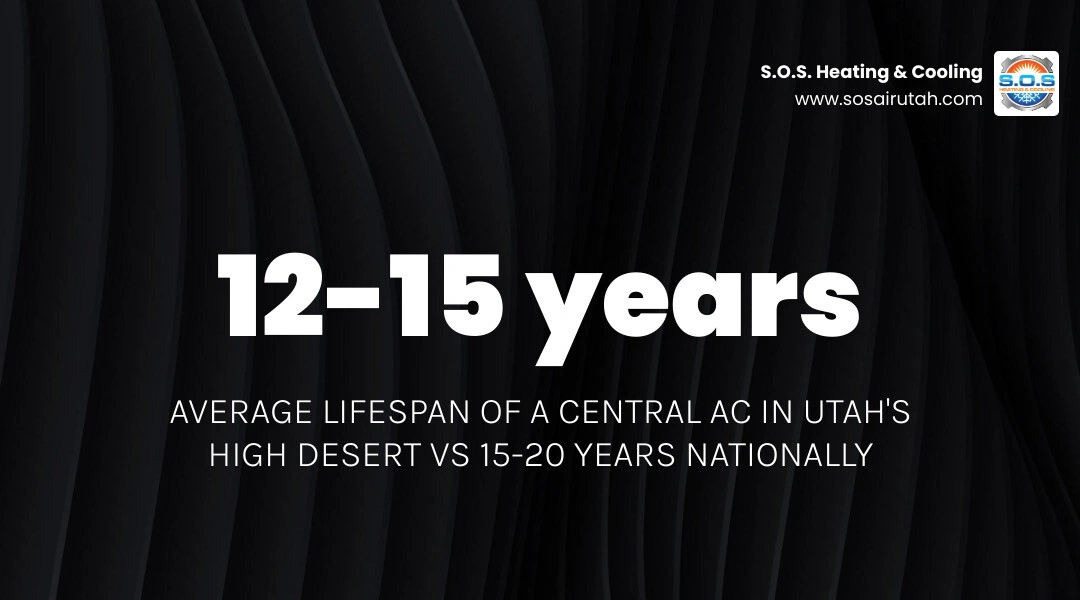
The signs your 12 year old AC is nearing end of life in Utah are often easy to miss — until your system quits on the hottest afternoon of the year. In Utah's high desert climate, central AC units typically last just 12–15 years, shorter than the national average of 15–20 years. That means a 12-year-old system in Salt Lake City is already deep into its expected lifespan — and the stress of extreme heat, UV exposure, and inversion dust can push it toward failure faster than most homeowners realize.
Signs your 12-year-old AC is nearing end of life in Utah:
- Rising energy bills — unexplained increases even when usage hasn't changed
- Frequent breakdowns — more than one repair per season is a red flag
- Uneven cooling — hot spots in rooms that used to stay comfortable
- Weak or reduced airflow — vents that don't push air like they used to
- Strange noises — grinding, clicking, or rattling from the unit
- Short cycling — the system turns on and off rapidly without completing a full cooling cycle
- Uses R-22 refrigerant — if your system runs on Freon, repairs are difficult and parts are scarce
- The Age-Times-Repair Rule triggered — multiplying your system's age by the repair needs can help determine if replacement is the smarter long-term investment
Most of these signs don't appear all at once. They creep in gradually — a slightly higher bill here, an odd noise there — until the system simply can't keep up with a 100°F Utah summer afternoon.
I'm Bryson Ninow, an experienced HVAC professional with years of hands-on experience helping Wasatch Front homeowners identify the signs their 12-year-old AC is nearing end of life in Utah before a full breakdown forces an emergency decision. In this guide, I'll walk you through exactly what to watch for — and what to do about it.
How Utah’s Climate Accelerates AC Aging
To understand why a 12-year-old air conditioner along the Wasatch Front is considered a senior citizen, you have to look at the unique environmental forces at play in our state. While an air conditioner in a mild, coastal climate might easily breeze past its 15th birthday, Utah’s high desert environment acts like "city miles" on a car engine.
If you are wondering How Long Does an AC Unit Last, the answer is heavily dependent on geography. In our service areas — from Bountiful and Layton down to Sandy, Draper, and Herriman — several climate-specific factors work in tandem to accelerate the physical aging of your cooling system.
High Desert Heat and UV Exposure
Utah's high altitude means we are physically closer to the sun, which increases UV radiation intensity by about 17% compared to sea-level locations. This intense solar radiation is brutal on outdoor mechanical equipment. Over a decade of exposure, this extreme UV light degrades the plastic fan blades, bakes the protective insulation on electrical wiring until it turns to dust, and causes the outer cabinet of your condenser to reach temperatures well over 130°F.
Furthermore, our summer diurnal temperature swings are dramatic. It is not uncommon for a July day in South Jordan or Riverton to swing from 65°F at night to 100°F by mid-afternoon. This constant cycle of extreme heating and cooling causes the metal copper lines and brazed joints in your AC to expand and contract rapidly. Over 12 years, this thermal cycling leads to metal fatigue, which is the primary cause of microscopic refrigerant leaks.
Inversion Dust and Altitude Stress
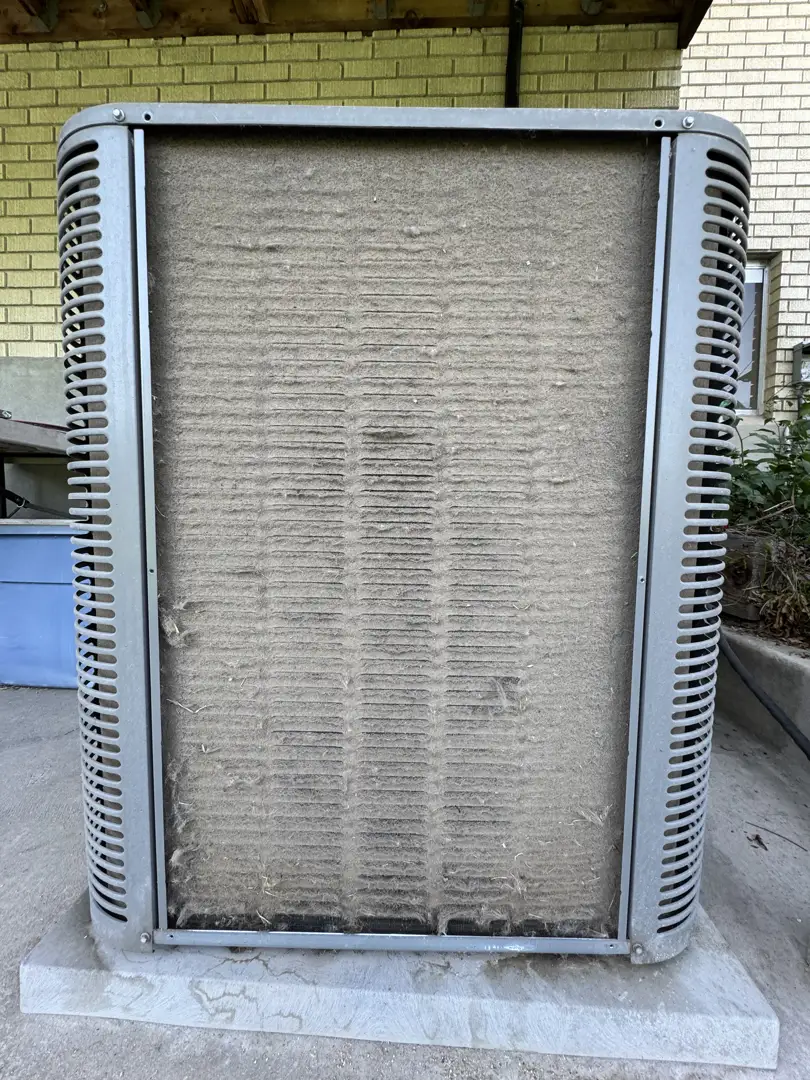
We are all familiar with the Wasatch Front's winter inversions, which trap fine particulate matter in the valley. What many homeowners don't realize is that these microscopic dust particles, along with summer dust storms, settle directly onto your outdoor AC unit. This fine silica dust acts like sandpaper on the moving parts of your fan motor, wearing down bearings and seals.
Additionally, our altitude of 4,200+ feet means the air is less dense. Because the air is thinner, your system's blower motor and compressor have to work harder and run longer to move the same mass of air and reject heat. When you combine thin air with dirty coils, the compressor operates under elevated head pressure, causing internal oil breakdown and shortening the component's life. Keeping up with professional AC Maintenance Salt Lake City UT is the only way to mitigate this environmental wear and tear, but by year 12, the cumulative damage is often already done.
Key Signs Your 12 Year Old AC Is Nearing End of Life in Utah
If your air conditioner was installed around 2014, it is officially entering the twilight of its operational life. Knowing how to spot the signs your 12 year old AC is nearing end of life in Utah can save you from the nightmare of a total system failure during a July heatwave in Kaysville or Centerville.
If you are already noticing performance drops, it is helpful to review the general Signs Your AC Needs Repair to see if you are dealing with a quick fix or a terminal system.
Frequent Breakdowns and Diminishing Airflow
One of the most telling signs of an aging system is when repairs transition from rare events to an annual summer tradition. If you had to call a technician last summer for a failed capacitor, and this summer the system is short cycling or blowing warm air, your AC is likely trapped in a domino effect of component failure.
Short cycling — where the AC turns on and off every few minutes without cooling the home — puts immense electrical and mechanical strain on the compressor. The compressor is the heart of your system; if it fails on a 12-year-old unit, it is almost never worth replacing.
Additionally, you might notice weak or inconsistent airflow throughout your home, leaving rooms in your multi-level Salt Lake City or Cottonwood Heights home feeling like saunas. This is often caused by a failing blower motor or a severely fouled evaporator coil that can restrict airflow by up to 40%. When these major mechanical issues begin to pile up, you should immediately check the Signs Your AC Needs Immediate Repair to protect your home from electrical hazards or water damage from frozen coils.
Escalating Energy Bills and Efficiency Loss
Have you noticed your Rocky Mountain Power bills climbing higher and higher each summer, even though you haven't changed your thermostat habits? This is not just your imagination. Air conditioners naturally lose between 25% and 35% of their operating efficiency after 11 to 15 years of service.
An AC unit installed in 2014 was likely rated at 13 SEER (Seasonal Energy Efficiency Ratio). Due to dirt accumulation, motor wear, and minor refrigerant loss, that 12-year-old unit may now be operating at an effective SEER of 9 or 10. Modern minimum standards in Utah require a 14.3 SEER2 rating, with high-efficiency systems reaching 18 to 25 SEER2. Running an inefficient, aging unit means you are paying a premium to stay less comfortable.
The Repair vs. Replace Decision Framework
When your 12-year-old AC experiences a malfunction, you face a critical decision: do you invest in a repair, or do you invest in a modern replacement? To make an objective, sound decision, we recommend using a structured framework.
| Factor | Lean Toward Repair | Lean Toward Replacement |
|---|---|---|
| System Age | Under 8 years | 12 to 15+ years (Utah average) |
| Refrigerant Type | R-410A | R-22 (Freon) |
| Repair Frequency | First repair in several years | Multiple service calls in 12–24 months |
| Energy Bills | Stable or minor increases | Steady, unexplained spikes |
| Major Component Status | Compressor and coils are healthy | Failed compressor or leaking coils |
| Repair-to-Value Ratio | Low repair needs | High repair needs relative to system age |
If you are weighing these factors right now, our guide on whether you Should You Repair or Replace Your AC provides a deeper dive into how to evaluate your home's long-term comfort.
Applying the Age-Times-Repair Rule to Your System
The Age-Times-Repair Rule is a reliable industry formula designed to remove the emotion from the repair-vs-replace dilemma. By multiplying the age of your system by the anticipated repair needs, you can evaluate whether continuing to maintain the unit is a practical choice.
- Scenario A: Your 12-year-old AC needs a minor repair, such as a new contactor or capacitor. If the repair is simple, making the fix is a reasonable way to buy yourself another season or two.
- Scenario B: Your 12-year-old AC needs a more significant fix, such as a new fan motor or a leak repair. Sinking resources into a major repair on a 12-year-old system is often not recommended, as those resources are better spent toward a reliable, warrantied new system.
To see how these long-term financial equations pan out, read our analysis on the Cost of Repairing Old AC vs Buying a New System.
The R-22 Refrigerant Phase-Out Dilemma
If your 12-year-old AC was manufactured near the transition period, it might still run on R-22 refrigerant (commonly known as Freon). The U.S. Environmental Protection Agency (EPA) completely banned the production and import of R-22 in January 2020.
Because the supply of R-22 is extremely limited, sourcing this refrigerant is difficult. If your old system has a refrigerant leak, recharging it is unsustainable, and there is no guarantee the remaining components will hold up. Upgrading to a system that uses modern, eco-friendly refrigerants is the only permanent solution. For a complete breakdown of what this transition means for your household, read What You Need to Know Before You Replace Your AC Unit.
Frequently Asked Questions About Home Cooling
Navigating the end of your air conditioner's life can bring up plenty of questions. Here are the answers to the most common questions we hear from homeowners along the Wasatch Front. If you want to keep your current system running safely through the season, scheduling an AC Tune Up Salt Lake City UT is a great place to start.
What are the primary signs your 12 year old ac is nearing end of life in utah?
The primary indicators include rising utility bills during the summer cooling season, uneven temperatures between rooms, loud clanking or grinding noises from the outdoor condenser, and needing multiple repairs within a single season. If your system still uses outdated R-22 refrigerant, or if it struggles to keep your home below 78°F on a hot afternoon, it is a clear sign the unit is reaching the end of its functional life. For more details on these warning signs, see our guide on When Should You Replace Your Air Conditioner.
How can I prevent the early signs your 12 year old ac is nearing end of life in utah?
While you cannot stop time, you can slow down the aging process with consistent maintenance:
- Change filters monthly during the peak summer cooling season to maintain proper airflow.
- Gently rinse the outdoor condenser coils with a garden hose to remove dust, cottonwood seeds, and dirt.
- Keep a 2-foot clearance around your outdoor unit, trimming back bushes and weeds.
- Schedule annual professional tune-ups to catch electrical issues, like failing capacitors, before they damage your compressor.
How long does an air conditioner typically last in Utah compared to other states?
Nationally, central air conditioners average a lifespan of 15 to 20 years. However, in Utah's high desert climate — characterized by extreme summer heat, high UV radiation, dry air, and heavy dust loading — the realistic lifespan is 12 to 15 years. Systems in areas with cleaner air and milder summers naturally face less mechanical stress and last longer.
Conclusion
Recognizing the signs your 12 year old AC is nearing end of life in Utah gives you the power to make an informed, proactive decision rather than a stressful, emergency purchase during a heatwave. Modern cooling technology has come a long way since 2014. By upgrading to a high-efficiency system with variable-speed technology, you can enjoy whisper-quiet operation, perfectly even temperatures, and utility bill savings of up to 20% to 40%.
At S.O.S. Heating & Cooling, we are dedicated to helping our neighbors throughout the Salt Lake Valley and Wasatch Front find the perfect comfort solutions for their homes. We offer professional, pressure-free system evaluations, flexible financing options, and expert installation to keep your home comfortable all summer long.
Don't wait for your old system to leave you in the heat. Schedule your professional AC replacement with S.O.S. Heating & Cooling today, or call us to have our team evaluate your current system's health!
Explore Our Latest Insights and Updates in Plumbing Services
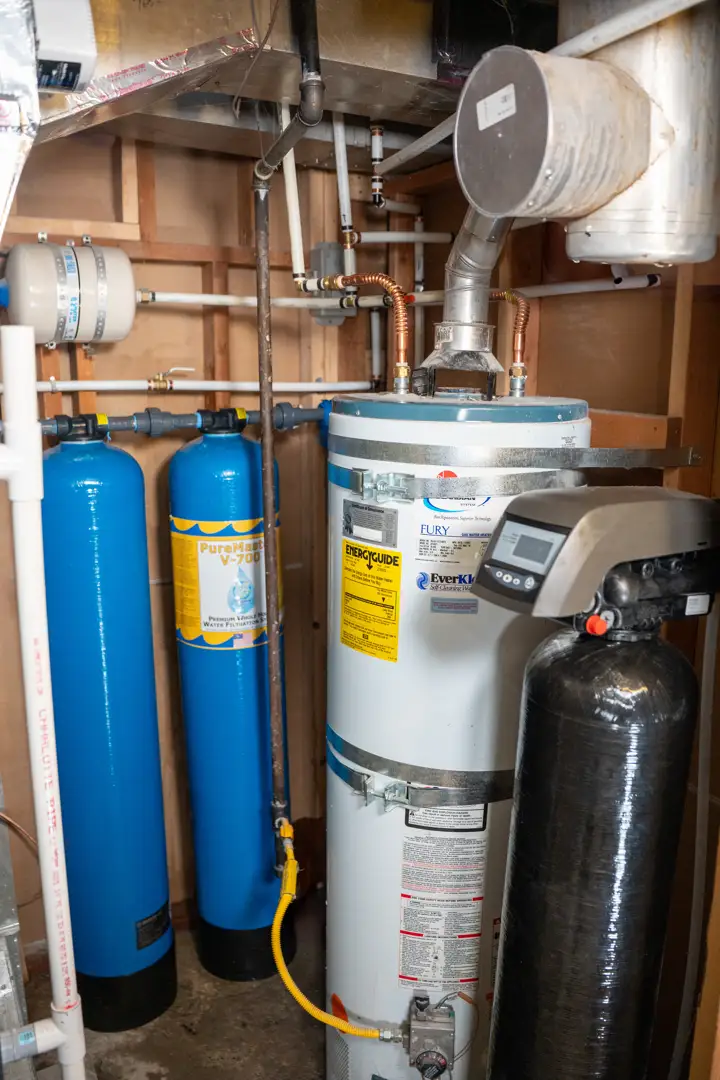
How to Extend Water Heater Life in Hard Water Areas
Cheat Sheet to How Hard Water Scale Buildup Leads to Pipe Failure in the Wasatch Front
How Often to Inspect a Sewer Line in Salt Lake Valley