
A–Z Guide to Spring AC Maintenance to Prevent Summer Failures


.avif)

Why Spring AC Maintenance to Prevent Summer Failures Starts Now
Spring AC maintenance to prevent summer failures is the single most effective step a Salt Lake City homeowner can take before Utah's heat arrives in full force. Scheduling a tune-up in spring means your system gets checked, cleaned, and tested while the weather is still mild — giving you time to fix small problems before they become expensive emergencies.
Here's what spring AC maintenance covers and why it matters:
- Replace air filters — every 30 days during peak season to maintain airflow and efficiency
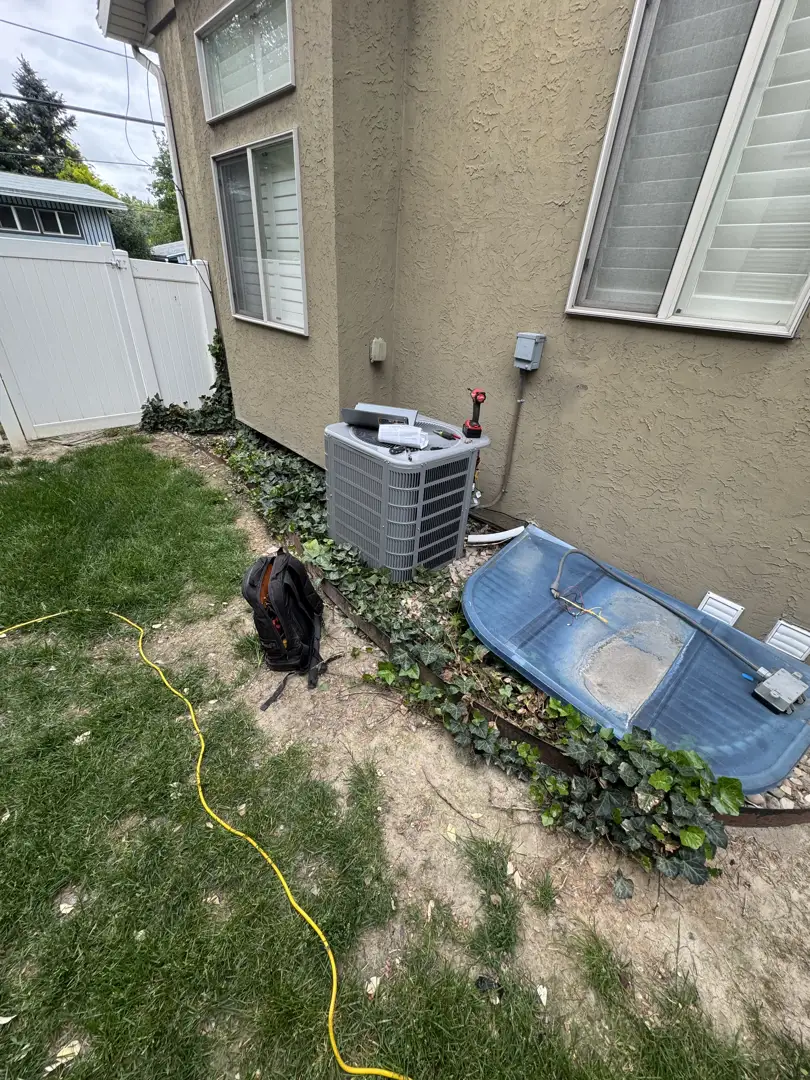
- Clear the outdoor condenser unit — maintain at least 2 feet of clearance around the unit
- Flush the condensate drain line — prevents algae clogs and water damage
- Test the thermostat — verify cooling mode is accurate and schedules are updated
- Schedule a professional tune-up — includes capacitor testing, refrigerant checks, coil cleaning, and electrical inspection
Skipping this window doesn't just risk a breakdown — it can cost you 15–25% more on your summer utility bills and shorten your system's lifespan by years. Up to 87% of emergency AC calls are preventable with a routine spring tune-up, and most major manufacturers require documented annual maintenance to keep warranties valid.
I'm Bryson Ninow, an NATE-certified HVAC professional with hands-on experience helping Salt Lake City homeowners use spring AC maintenance to prevent summer failures before Utah's intense heat season arrives. If you'd like to understand how proactive spring prep protects your comfort and your budget all summer long, this guide covers everything you need to know.

Learn more about spring ac maintenance to prevent summer failures:
- how spring maintenance extends your ac lifespan
- pre summer ac inspection checklist
- what your technician should check during a spring ac visit
Why Spring is the Golden Window for AC Prep
Living along the Wasatch Front means experiencing some of the most dramatic seasonal transitions in the country. We go from snow-covered mountains in April to triple-digit heatwaves in July. This "weather whiplash" places an enormous burden on your home comfort systems. When your air conditioner sits completely idle for six months, it doesn’t just smoothly kick back into gear. It needs a warm-up, much like an athlete preparing for a marathon.
The optimal time to schedule your maintenance is during the mild spring months of March, April, and early May. During this window, outdoor temperatures hover between 60°F and 75°F. These moderate conditions are perfect for testing your cooling cycle without overworking the system.
By taking action early, you successfully bypass the chaotic "summer rush." Once the first 90-degree day hits Salt Lake City, our phone lines light up with emergency calls from homeowners whose systems just broke down. During these peak summer weeks, HVAC technicians across the valley are booked out for days or even weeks. Planning ahead in the spring ensures you secure a convenient appointment slot and allows plenty of lead time to order any necessary replacement parts.
If you are wondering about the perfect timeline for your system, check out our guide on How Often Should You Schedule an AC Tune-Up.
The Importance of Spring AC Maintenance to Prevent Summer Failures
Proactive maintenance is the ultimate insurance policy for your home. Industry data shows that up to 87% of emergency summer AC calls are completely preventable with a routine spring tune-up. Furthermore, up to 80% of all costly HVAC repairs trace directly back to skipped annual maintenance.
When you run an air conditioner that has skipped its yearly checkup, minor issues—such as a slightly worn capacitor or a tiny refrigerant leak—quickly escalate under the intense stress of a July heatwave. A simple spring visit catches these vulnerabilities before they leave you sweating in a hot house. Understanding Why Regular AC Tune-Ups Are Vital helps you protect both your family's comfort and your hard-earned savings.
Catching Issues After Winter Dormancy
During the long Utah winter, your outdoor condenser unit sits exposed to snow, freezing winds, falling leaves, and neighborhood pests. It is incredibly common for mice, wasps, or birds to build nests inside the quiet, sheltered cabinet of an idle AC unit. When the system is switched on for the first time in summer, these nests can jam the fan blades or chew through vital electrical wiring.
Additionally, winter temperature swings cause materials to expand and contract. This physical shifting can loosen electrical connections, settle dust deep into the contactors, and degrade wire insulation. Starting up a system with loose wiring or a dust-clogged electrical panel is a recipe for a blown fuse, a tripped circuit breaker, or a burned-out motor. A spring inspection clears out these hidden hazards before they cause a system shutdown.
Common Summer AC Failures and How to Prevent Them
When an air conditioner fails during peak summer, it is usually due to a handful of predictable culprits. Let's look at the primary failure points that our technicians encounter and how early intervention keeps them from disrupting your summer.
- Failing Capacitors: Capacitors act like high-powered batteries that deliver the initial electrical jolt required to start up your AC's compressor and fan motors. Over time, heat and electrical stress cause them to degrade. During a spring tune-up, we measure a capacitor's microfarads. If it is running below manufacturer specifications, we replace it immediately. This prevents a sudden "no-cool" emergency on a hot weekend.
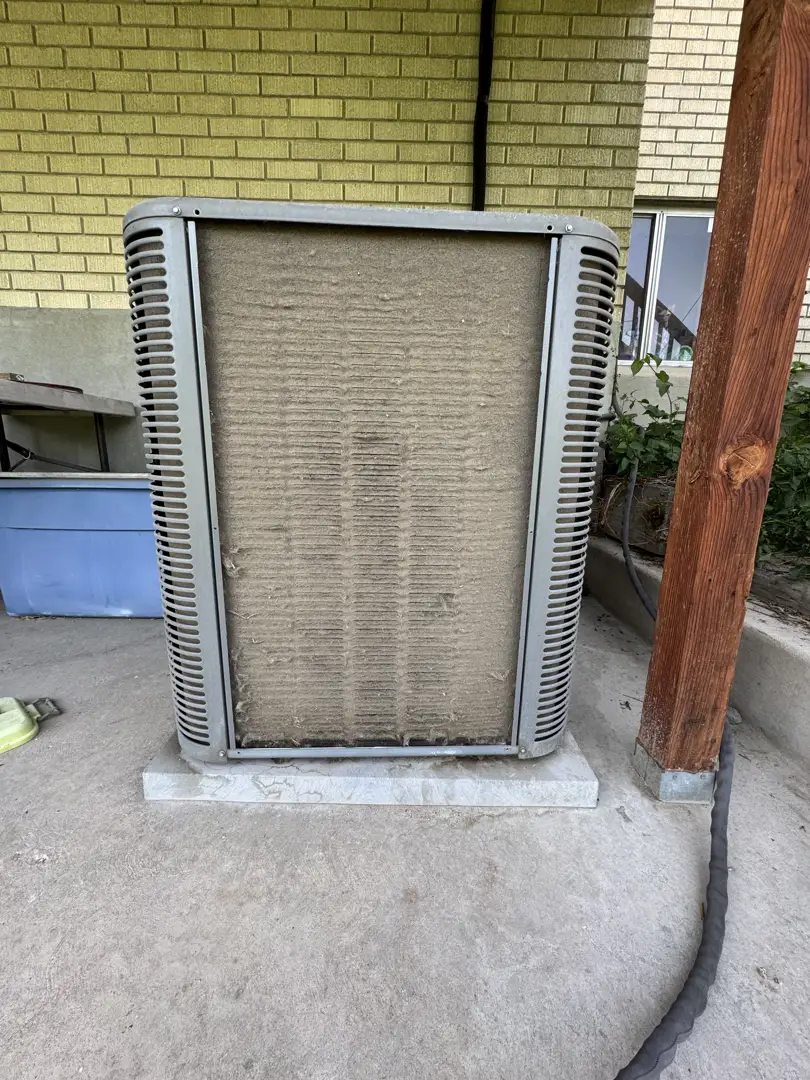
- Dirty Condenser Coils: Your outdoor unit's job is to release the heat extracted from inside your home. If the outdoor coils are coated in dirt, pollen, or lawn clippings, they cannot release this heat efficiently. Dirty condenser coils can increase your system's energy consumption by up to 30% and force the compressor to run at dangerously high pressures.
- Clogged Condensate Drains: Your AC removes an incredible amount of moisture from the air as it cools. This water collects in a drain pan and flows out through a narrow PVC condensate line. Over the winter, algae, mold, and dust can form a gelatinous clog inside this line. When summer arrives, the water backs up, leading to flooded basements, ruined drywall, or an automatic system shutdown triggered by the safety float switch.
- Refrigerant Leaks: Refrigerant does not get "used up" like gasoline; it circulates in a closed loop. If your system is low on refrigerant, it means you have a leak. Low levels force the system to run constantly, causing the compressor to overheat and eventually fail.
If you notice your system exhibiting any odd behaviors early in the season, review our guide on Signs Your AC Needs Immediate Repair to prevent a total breakdown.
Warning Signs Your System Needs Spring AC Maintenance to Prevent Summer Failures
You don't have to wait for your air conditioner to completely stop working to know it is struggling. Your system will usually send out clear distress signals during the first mild days of spring.
Pay close attention to these common red flags:
- Weak Airflow: If you feel only a gentle whisper of air coming from your registers, your blower motor may be struggling, or your system is choked by a dirty filter.
- Strange Noises: Squealing, grinding, rattling, or thumping sounds indicate loose components, failing bearings, or a blower wheel out of balance.
- Musty Odors: A damp, vinegar-like, or musty smell coming from your vents points to mold or standing water inside your evaporator coil or condensate pan.
- Short Cycling: If your AC turns on and off rapidly every few minutes without actually cooling down your home, it is overheating or suffering from an electrical glitch.
- High Indoor Humidity: An air conditioner should naturally dehumidify your home. If your indoor air feels sticky and heavy even when the system is running, the cooling cycle is not operating efficiently.
The Danger of Frozen Evaporator Coils
It sounds like a paradox: how can an air conditioner freeze up when it is hot outside? A frozen evaporator coil is one of the most common—and destructive—summer failures. Your indoor evaporator coil relies on a continuous, steady stream of warm return air to keep the cold refrigerant inside the coil from dropping below freezing.
If airflow is restricted by a severely clogged air filter, blocked return vents, or a thick layer of dust on the coil itself, the temperature of the coil drops below 32°F. Any moisture in the air immediately freezes onto the metal fins, forming a block of ice. A thin layer of dust on your indoor evaporator coil can reduce cooling efficiency by up to 30%.
As the ice thickens, it completely blocks airflow, causing the system to blow warm air. Even worse, the liquid refrigerant can flood back into your outdoor compressor, causing permanent, irreversible mechanical damage.
The DIY vs. Professional Maintenance Split
To keep your air conditioner running perfectly, a partnership between the homeowner and a certified professional is key. While there are several simple tasks you can easily manage on your own, high-voltage electrical work and chemical handling must be left to licensed experts.
| Maintenance Task | DIY (Homeowner) | Professional Technician | Why It Matters |
|---|---|---|---|
| Air Filter Replacement | Yes | Yes | Restores airflow and protects the indoor evaporator coil from dust. |
| Clearing Condenser Debris | Yes | Yes | Maintains proper outdoor heat transfer and prevents motor strain. |
| Washing Condenser Coils | No | Yes | Requires specialized, non-acidic chemicals and correct water pressure to avoid bending delicate aluminum fins. |
| Capacitor & Contactor Testing | No | Yes | High-voltage electrical testing requires specialized multimeters and safety gear. |
| Refrigerant Charge Verification | No | Yes | Requires EPA Section 608 certification to handle, measure, and charge refrigerant legally. |
| Condensate Line Flush | Yes | Yes | Homeowners can use vinegar; pros use specialized pressure tools to clear stubborn blockages. |
To help you stay on track, we have compiled a list of Essential Spring HVAC Maintenance Tasks you can easily complete before the hot weather arrives.
Homeowner DIY Checklist
As a homeowner, you can perform several high-impact tasks in about 30 minutes to set your system up for success:
- Inspect and Replace the Air Filter: Check your filter every 30 days. If it looks gray, dusty, or full of pet hair, swap it out immediately.
- Clear the Outdoor Unit's Perimeter: Trim back bushes, weeds, and overhanging branches to maintain at least a 2-foot clear radius around your outdoor condenser. Remove any dead leaves, twigs, or winter debris trapped against the metal grates.
- Clean Your Indoor Vents: Walk through your home and vacuum dust off all supply registers and return air grilles. Ensure that furniture, heavy drapes, or rugs are not blocking any vents.
Professional Precision Tune-Up Services
While DIY steps are a fantastic start, they only cover about 60% of what your system needs to survive a grueling Utah summer. A professional precision tune-up goes deep into the mechanical and electrical heart of your system.
When our NATE-certified technicians perform a spring checkup, we use advanced diagnostic tools to measure electrical draw, test safety controls, and check refrigerant pressures. We measure the exact microfarads of your capacitors, inspect contactor points for electrical pitting, tighten all internal wire connections, and chemically clean the condenser coils from the inside out to restore peak heat transfer.
For a complete breakdown of what our team does during a visit, read our guide on Spring HVAC Tune-Up Essentials.
Tailoring Maintenance to Your System Type
Every home along the Wasatch Front is unique, and so are the heating and cooling systems that keep them comfortable. Depending on whether you have a traditional central air conditioner, a ductless mini-split, or a heat pump, your spring maintenance checklist will vary slightly.
To learn more about your specific system's needs, read our comprehensive AC Tune-Up Guide for Wasatch Front Homeowners.
Central Air Conditioning Systems
Central air conditioning systems rely on a vast network of ductwork to distribute cooled air evenly throughout your home. Over time, duct joints can pull apart or develop leaks due to house settling. According to the U.S. Department of Energy, the average home loses 20% to 30% of its conditioned air through ductwork leaks.
During a spring central AC inspection, we check the integrity of your duct connections, ensure your indoor evaporator coil is perfectly clean, and verify that your heavy outdoor condenser unit has not tilted or settled unevenly on its pad over the winter.
Ductless Mini-Split Systems
Ductless mini-splits are incredibly efficient, but they have unique maintenance requirements. Because they do not use ducts, they rely on individual indoor wall cartridges to pull in, filter, and cool the air for specific zones.
These indoor units contain compact, high-efficiency filters that must be washed or replaced far more frequently than standard central AC filters—often every 4 to 6 weeks during high-use seasons. Additionally, because mini-split indoor units are located directly inside your living spaces, a clogged condensate drain line can quickly result in water dripping directly down your interior walls.
Heat Pump Systems
Unlike a traditional air conditioner that sits completely idle all winter, a heat pump works hard year-round. It extracts heat from the cold outdoor air to warm your home in the winter, and then reverses the process to cool your home in the summer.
Because heat pumps run during both seasons, they experience double the wear and tear of a standard air conditioner. They require bi-annual professional maintenance—once in the spring and once in the fall. During our spring heat pump checkup, we pay special attention to the reversing valve (the mechanical component that physically switches the system from heating to cooling mode) and verify that the defrost control board is operating perfectly.
Long-Term Financial and Performance Benefits
Investing in a professional spring tune-up is not an unnecessary expense—it is a smart financial decision that pays direct dividends. Taking care of your system early yields significant benefits for your monthly budget and the overall lifespan of your equipment. For a deeper look into these financial advantages, read about The Importance of AC Tune-Ups.
Maximizing Monthly Savings
A neglected, dirty air conditioner has to work significantly harder and run longer cycles to cool your home, driving up your energy bills. According to the U.S. Department of Energy, regular annual maintenance can reduce your cooling costs by 5% to 15%.
By restoring proper airflow, cleaning the coils, and calibrating your system to run for the shortest time necessary, you keep your utility bills low and reduce your home's carbon footprint.
Protecting Your Manufacturer Warranty
If your air conditioner was installed within the last 10 years, it is likely covered by a manufacturer's parts warranty. However, many homeowners are surprised to learn that major manufacturers—such as Carrier, Trane, and Lennox—require documented annual professional maintenance to keep these warranties valid.
If a major component like your compressor fails in July, the manufacturer will often request proof of annual service before approving the warranty claim. Skipping your spring tune-up could leave you paying out of pocket for a costly repair that should have been covered.
Frequently Asked Questions about Spring AC Maintenance to Prevent Summer Failures
How often should I replace my air filters during hot Utah summers?
During our dusty Utah summers, we recommend checking your air filter every 30 days. If you have pets, suffer from seasonal allergies, or live near active construction zones (which are common in fast-growing areas like South Jordan, Herriman, and Draper), you should replace your filter monthly.
For homes without pets or allergies, a high-quality pleated filter (ideally rated MERV 8 to 11) will typically last 60 to 90 days. Avoid ultra-high MERV filters (MERV 13+) unless your HVAC system was specifically designed for them, as their dense material can restrict airflow and strain your blower motor.
Will skipping spring maintenance void my manufacturer warranty?
Yes, in many cases it will. Most major HVAC brands explicitly state in their warranty terms that the equipment must be serviced annually by a licensed HVAC professional.
We highly recommend keeping a dedicated folder with all your annual service invoices and technician reports. This documentation serves as undeniable proof of proper care if you ever need to file a warranty claim for a replacement part.
What is the ideal temperature split for a healthy AC system?
The "temperature split" (often called Delta T) is the difference in temperature between the warm air entering your return vents and the cool air blowing out of your supply registers.
To measure this, let your system run for at least 15 minutes, then measure the temperature at a return grille and a supply vent close to the indoor unit. A healthy, properly operating air conditioning system should produce a temperature split of 16 to 22 degrees Fahrenheit. A split lower than 16 degrees indicates low refrigerant, dirty coils, or restricted airflow, while a split higher than 22 degrees points to a severe airflow restriction.
Conclusion
Proactive home maintenance is the key to worry-free summer comfort. By taking action in the spring, you protect your budget from high utility bills, extend the lifespan of your cooling system, and ensure your home remains a cool haven when the Utah sun is at its hottest.
At S.O.S. Heating & Cooling, we are proud to keep our neighbors comfortable in Salt Lake City and surrounding communities, including Sandy, Draper, South Jordan, Riverton, Herriman, Murray, Holladay, Millcreek, Bountiful, and Layton. We offer 24/7 emergency repairs, priority service for our partners, no evaluation fees during our regular business hours, and flexible financing options to fit your family's budget.
For more local tips, explore our comprehensive AC Maintenance Guide for Salt Lake City and learn more about How Spring Prep Prevents Expensive Summer Breakdowns.
Don't wait for the summer heatwave to arrive. Schedule your professional AC tune-up with S.O.S. Heating & Cooling today, and enjoy a cool, worry-free summer!

Plumbing
Expert plumbing services offering reliable repairs, installations, maintenance, and emergency support.

Air Conditioning
Comprehensive air conditioning services include installation, repairs, maintenance, and energy-efficient solutions.
Heat Pumps
Enjoy year-round comfort with our energy-efficient and professional heat pump solutions.

Indoor Air Quality
Enhance your home’s air with our cutting-edge indoor air quality solutions you can trust.

Fireplaces
Transform your space into a warm and cozy atmosphere with our professional fireplace services.

Heating
Specialized heating services provide reliable installation, repair, system maintenance, and energy-optimization solutions.
Explore Our Latest Insights and Updates in Plumbing Services
Step-by-Step Guide to Professional Pipeline Leak Detection in Utah Homes
The Ultimate Guide to Utah Clay and Sandy Soil Sewer Line Damage