

Wasatch Front Energy Saving Tips for a Stress-Free Summer


.avif)

Why the High Desert Makes Summer Cooling So Much Harder
Summer ac efficiency tips for high desert homes are not the same as generic advice you'd find for humid or coastal climates — and if you live along the Wasatch Front, you already know why. Here's a quick look at the most effective steps you can take right now:
- Set your thermostat to 78°F when home and 85°F when away
- Change air filters every month during peak summer months
- Seal duct leaks — attic duct gaps alone can waste up to 40% of cooled air
- Apply reflective window film to south- and west-facing windows to block up to 70% of solar heat
- Schedule bi-annual AC maintenance — spring and fall — to prevent breakdowns
- Use ceiling fans counter-clockwise to create a wind-chill effect and raise your thermostat 2–3 degrees without losing comfort
- Avoid running major appliances like ovens and dryers during peak afternoon hours
High desert summers are brutal on HVAC systems. While air conditioning accounts for about 12% of the average U.S. household's energy bill nationwide, that number can climb to nearly 27% in hot, arid regions like the Salt Lake City area. Low humidity, high elevation, intense solar gain, and relentless triple-digit temperatures force your AC to work far harder than systems in more temperate climates — and an inefficient system can waste up to 30% of the energy it consumes. In May 2026, with heat waves arriving earlier and running longer across the region, getting ahead of your cooling costs is not just smart — it's essential.
I'm Bryson Ninow, an NATE-certified HVAC professional with hands-on experience helping Wasatch Front homeowners apply summer ac efficiency tips for high desert homes to cut energy waste and keep systems running reliably through the harshest months. In this guide, I'll walk you through the exact strategies that make the biggest difference in a dry, high-altitude climate.

Mastering the High Desert Thermostat Strategy
In the Salt Lake City area, your thermostat is the primary control center for your utility bill. One of the most common mistakes we see in places like Sandy or Draper is homeowners "cranking" the AC down to 68°F during a 100-degree afternoon. Not only does this not cool the house any faster, but it also places an immense strain on the compressor.
The industry standard for a balance between comfort and cost is the 78-degree rule. According to data from regional energy providers like SRP, you can save roughly 3% on your cooling costs for every single degree you set your thermostat above 80°F. If you prefer it a bit cooler, aim for a range between 72°F and 78°F. Each degree below that 78-degree mark can increase your energy usage by 3–5%.
To make this manageable, we highly recommend upgrading to a smart or programmable thermostat. These devices allow you to automate your Perfect Home Humidity Levels and temperature schedules so you aren't paying to cool an empty house. For those looking for long-term reliability, following a professional AC Maintenance Guide Salt Lake City ensures your thermostat and your cooling unit are communicating accurately.
The 85-degree away setting
When you leave for work or a weekend trip to the mountains, don't turn your AC completely off. In our high desert environment, your home’s "thermal mass"—the heat stored in your walls, furniture, and flooring—will soak up the sun all day. If the AC is off, your system will have to run for hours just to "pull down" the temperature when you return, often during peak utility rate hours.
Instead, set the thermostat to 85°F while you are away. This prevents the house from becoming an oven while ensuring the AC doesn't work overtime during the hottest part of the day. If you have pets, a safe range is typically 75-80°F.
Essential Maintenance for Arid Environments
The high desert is beautiful, but it is also incredibly dusty. Between seasonal wind events and the dry soil of the Wasatch Front, your outdoor condenser unit acts like a giant vacuum cleaner for debris. When those metal fins get coated in dust, the unit can't release heat efficiently, forcing it to run longer and hotter.
We recommend a bi-annual tune-up schedule—once in the spring and once in the fall. This ensures your system is cleaned and calibrated before the May heat waves hit. Understanding Why Regular AC Tune-Ups Are Vital can save you from a mid-July breakdown, and knowing the AC Professional Maintenance Signs helps you catch small issues like failing capacitors before they turn into expensive compressor failures.
Air filter frequency and summer ac efficiency tips for high desert homes
In a humid climate, you might get away with changing a filter every three months. In the high desert, that’s a recipe for disaster. Dust storms and low humidity mean more particulates are floating in your indoor air.
- Change your filters every month during the summer.
- Use MERV 11 filters to balance air filtration with airflow. While MERV 13 captures more dust, it can sometimes be too restrictive for older blower motors in our thin air.
- Watch for "bowing" filters. If your filter is sucked inward, it’s a sign that it’s too dirty and is restricting the airflow your system needs to stay cool.
A clean filter can reduce your AC's energy consumption by up to 15%. For a complete DIY check, refer to our Pre-Summer AC Inspection Checklist.
Managing low air density at high altitudes
One unique challenge for residents in Salt Lake City and surrounding areas like Bountiful is our elevation. Salt Lake City sits at approximately 4,200 feet, which is even higher than desert cities like Kingman, AZ (3,300 feet).
At these altitudes, the air is less dense. This means your AC’s fans move less "mass" of air with every rotation compared to a sea-level home. Because there is less air to carry the heat away, your system has to work harder to achieve the same cooling effect. This makes airflow management critical. If your system is struggling with "short cycling" (turning on and off rapidly), it might be reacting to these high-altitude pressures. You can learn more about AC Compressor Short Cycling in Draper to see if your system is at risk.
Summer AC efficiency tips for high desert homes: Sealing the Envelope
Your home is like a cooler; if the lid is cracked, the ice melts. In the high desert, the "sun load" through windows is the biggest contributor to indoor heat. South- and west-facing windows can act like magnifying glasses, heating up your living room in minutes.
Reflective window films are a game-changer, potentially blocking up to 70% of solar heat gain. Pair these with cellular (honeycomb) shades, which trap a layer of air to provide an extra thermal barrier.
Don't forget the attic. In the summer, your attic can reach temperatures of 130°F to 150°F. If your insulation is thin, that heat radiates right through your ceiling. We recommend aiming for R-38 to R-60 insulation levels for maximum protection. For residents in the south valley, our guide on AC Maintenance in Herriman UT covers how these environmental factors impact your specific geography.
| Window Treatment | Solar Heat Reduction |
|---|---|
| Reflective Window Film | Up to 70% |
| Closed Blinds/Curtains | Up to 45% |
| Cellular (Honeycomb) Shades | Up to 60% |
| Shaded by Trees | Up to 30% |
Duct sealing and summer ac efficiency tips for high desert homes
Did you know that up to 30% of your energy could be disappearing before it even reaches your vents? Leaky ductwork is a silent budget killer. In many Utah homes, ducts run through the unconditioned attic. If there is a gap in the ductwork, your AC is effectively trying to cool a 130-degree attic instead of your bedroom.
Furthermore, gaps in the return ducts can pull in dusty, hot attic air, clogging your coils and ruining your indoor air quality. A "duct blaster test" performed by a professional can identify these leaks. If you are considering a full system overhaul, check out our AC Installation Herriman UT Complete Guide for details on how proper duct design saves money.
Passive Cooling and Lifestyle Adjustments
Sometimes the best summer ac efficiency tips for high desert homes don't involve the AC at all. Passive cooling leverages the physics of our environment to keep you comfortable for pennies.
- Ceiling Fans: Set your fans to rotate counter-clockwise. This pushes air straight down, creating a "wind-chill effect" on your skin. While fans don't lower the room's temperature, they make you feel 4 degrees cooler, allowing you to raise the thermostat without discomfort. Remember: fans cool people, not rooms. Turn them off when you leave!
- Nighttime Ventilation: One advantage of the high desert is the diurnal temperature swing. Our nights are often significantly cooler than our days. If the temperature drops below 70°F at night, open the windows to flush the house with cool air, then "lock down" the home by closing windows and blinds by 9:00 AM.
- Appliance Timing: Avoid using the oven, dishwasher, or dryer between 2:00 PM and 7:00 PM. These appliances generate significant internal heat that your AC has to fight against.
Why does my AC struggle more in the high desert than on the coast?
It comes down to sensible heat vs. latent heat. In humid climates (like Florida), the AC spends a lot of energy removing moisture (latent heat). In our dry climate, the AC focuses almost entirely on lowering the temperature (sensible heat). However, because our air is thinner and the sun is more intense at 4,000+ feet, the "heat gain" from the sun often outpaces the system's ability to remove it. This is why shading and insulation are even more critical here than they are at sea level.
Should I close vents in unused rooms to save money?
The short answer is: No. Modern HVAC systems are designed to operate with a specific amount of "static pressure." When you close vents, you increase the pressure inside the ducts. This can cause:
- Blower motor strain: The fan has to work harder to push air against the resistance.
- Duct leaks: Increased pressure can blow open small gaps in your ductwork.
- Frozen coils: Reduced airflow can cause the evaporator coil to get too cold and freeze into a block of ice.
If you want to cool rooms differently, consider a professional zone control system or a ductless mini-split.
When is it time to upgrade to a high-SEER system?
If your AC is more than 10–12 years old, it likely uses a SEER (Seasonal Energy Efficiency Ratio) rating of 10 or 13. Modern units now reach 18 to 25 SEER. Upgrading can save you up to 40% on your monthly cooling costs.
Additionally, if your system still uses R-22 Freon (which was phased out in 2020), repairs will become increasingly expensive as the supply of that refrigerant disappears. A modern system is an investment in both comfort and home value. To help you decide, read our guide on choosing the Right AC System for Your Home.
Conclusion
Surviving a Wasatch Front summer doesn't have to mean "incinerating" your savings on power bills. By mastering your thermostat, staying on top of monthly filter changes, and sealing your home against the intense desert sun, you can stay cool even when the Salt Lake Valley hits triple digits.
At S.O.S. Heating & Cooling, we’ve spent years helping families from Bountiful to Riverton optimize their homes for our unique high-altitude climate. Whether you need a 21-point pre-summer tune-up or a consultation on a high-efficiency upgrade, we are here to help 24/7. Don't wait for the next heat wave to find out your system isn't up to the task.
Schedule your high desert AC maintenance today and enjoy a stress-free, energy-efficient summer!
Explore Our Latest Insights and Updates in Plumbing Services
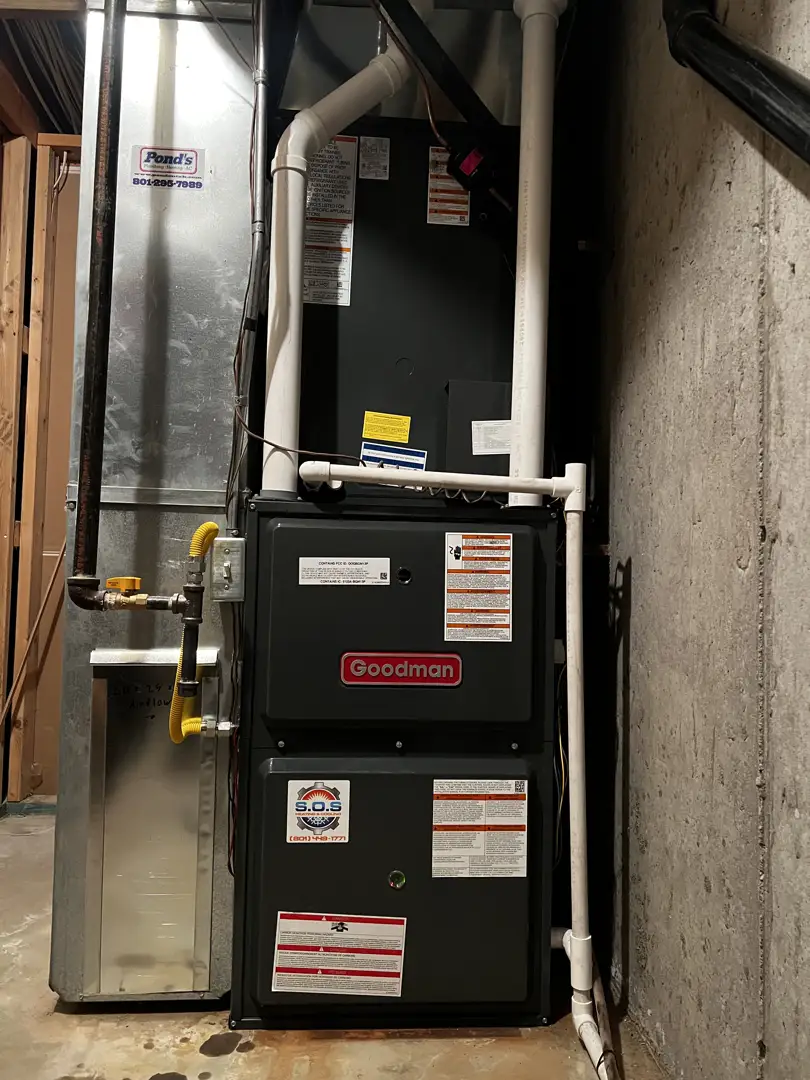
How to Choose the Right Furnace for a Salt Lake Valley Home
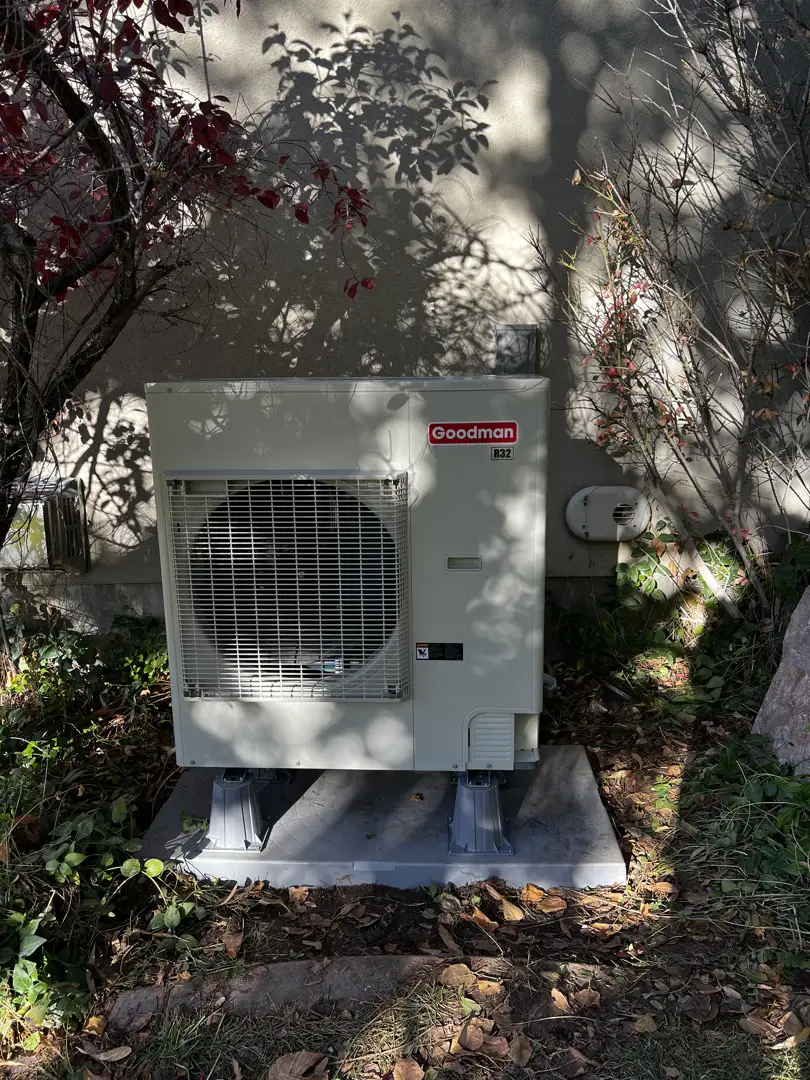
Average Lifespan of a Central Air Conditioner in Hot Dry Utah Climate
How Heat Pumps Work for Heating and Cooling in Utah