

Don't Get Left in the Cold: How to Choose the Best Water Heater Installers Near You


.avif)

Why Choosing the Right Water Heater Installation Matters
Water heater installation companies provide essential services when your hot water system fails or needs replacement. Choosing the right installer ensures safe, code-compliant work that protects your warranty, extends your system's lifespan, and prevents costly callbacks. Here's what to look for when selecting a water heater installation company:
Key Qualities of Reputable Water Heater Installation Companies:
- Licensed, bonded, and insured technicians
- Positive customer reviews and verifiable references
- Transparent pricing with no hidden fees
- Comprehensive warranties on parts and labor
- Experience with both tank and tankless systems
- Knowledge of local building codes and permit requirements
- Proper disposal of old units
- Post-installation testing and customer education
When your water heater stops working, you're dealing with more than just an inconvenience. Cold showers, disrupted morning routines, and the inability to wash dishes or do laundry can throw your entire household into chaos. Whether you're facing a sudden leak, inconsistent temperatures, or complete system failure, you need a qualified installer who can restore your hot water quickly and correctly. The challenge isn't just finding someone who can do the work—it's finding someone who will do it right the first time, at a fair price, with the expertise to ensure your new system runs efficiently for years to come.
I'm Bryson Ninow, and I've spent years helping homeowners steer the process of selecting and installing high-efficiency water heating systems. Through my work with water heater installation companies and direct customer service, I've seen how the right installation makes all the difference in system performance and longevity.
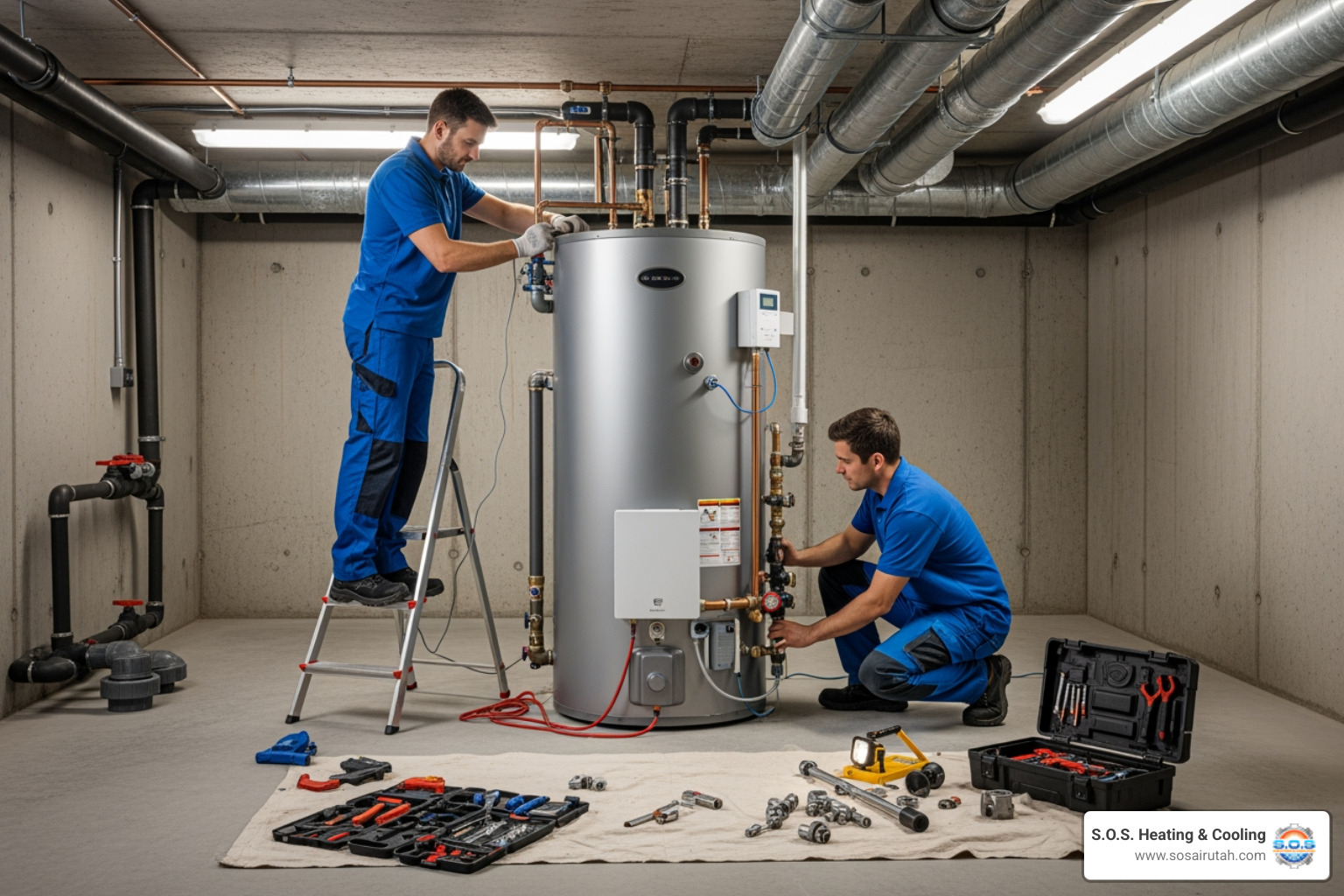
First, Know the Signs: When to Replace Your Water Heater
No one wants to wake up to a cold shower, but sometimes our water heaters give us subtle hints that they're nearing the end of their useful life. Recognizing these signs early can save you from a complete system failure and the urgent scramble for a replacement.
The lifespan of water heaters varies significantly by type. A traditional tank water heater, with proper maintenance, typically lasts between 10 to 15 years. However, a poorly maintained unit might not even make it past a decade. Tankless water heaters, on the other hand, boast a longer lifespan, often reaching 15 to 20 years. Knowing these averages helps you gauge if your current unit is simply old or truly failing.
Here are the key indicators that your water heater might be waving a white flag:
- Inconsistent Water Temperature: If your hot water supply is unpredictable—sometimes scalding, sometimes lukewarm—it could signal issues with your heating elements (in electric units), thermostat, or dip tube. This is a clear sign that your water heater is struggling to maintain a consistent temperature, making your daily routines a bit of a guessing game.
- Low Hot Water Pressure: A sudden drop in hot water pressure, especially when compared to your cold water pressure, can indicate sediment buildup inside the tank or corrosion in your plumbing. This sediment can restrict water flow, making it harder for water to reach your faucets with adequate force.
- Discolored or Rusty Water: If the hot water from your tap appears rusty, murky, or has a metallic taste, it's a strong indicator of internal corrosion within your water heater tank. This often means the sacrificial anode rod, designed to protect the tank, has failed, and the tank itself is starting to rust.
- Strange Noises: Do you hear rumbling, popping, or banging sounds coming from your water heater? These noises are usually caused by sediment buildup at the bottom of the tank. As the heating element heats the water, it also heats the sediment, causing it to harden and create these sounds. This buildup reduces efficiency and can damage the tank.
- Leaks or Water Pooling: Any visible water around the base of your water heater is a serious concern. Leaks can stem from faulty plumbing connections, improperly tightened gaskets, a corroded storage tank, or a failing temperature and pressure (T&P) relief valve. While some leaks might be repairable, a leak from the tank itself usually means it's time for a full replacement.
- Pilot Light Issues (for gas models): If your gas water heater's pilot light frequently goes out or won't stay lit, it could be due to a faulty thermocouple, a small gas valve, or issues with ventilation. This not only disrupts your hot water supply but can also be a safety concern.
If you're experiencing any of these issues, it's time to call in the professionals. Ignoring these signs can lead to more significant problems, including costly water damage or even a complete breakdown of your system.
Understanding Your Options: Types of Water Heaters and Key Considerations
When it's time for a new water heater, you'll find that technology has come a long way. Understanding the different types available and what factors to consider will help us guide you to the perfect fit for your home and lifestyle.
Tank vs. Tankless Water Heaters
The first major decision often revolves around whether to stick with a traditional tank system or upgrade to a tankless model.
- Traditional Tank Heaters: These are the most common type, storing a large volume of hot water (typically 20-80 gallons) in an insulated tank. They continuously heat the water, so it's ready when you need it. They have a lower upfront cost and are generally simpler to install. However, they can run out of hot water if demand exceeds capacity, and they suffer from "standby heat loss" as they constantly re-heat stored water, even when you're not using it.
- On-Demand Tankless Heaters: Also known as instantaneous or on-demand water heaters, these units heat water directly as it flows through a heat exchanger, eliminating the need for a storage tank. This means you get a continuous supply of hot water, as long as the fuel source is available. They are highly energy-efficient because they only heat water when needed, reducing standby energy losses. They also save space due to their compact size. The main drawbacks are a higher upfront cost and potentially more complex installation, sometimes requiring electrical or gas line upgrades.
| Feature | Traditional Tank Water Heater | Tankless Water Heater |
|---|---|---|
| Hot Water Supply | Limited by tank size; can run out during peak demand | Continuous, on-demand hot water; virtually unlimited |
| Energy Efficiency | Lower due to standby heat loss; constantly re-heats water | High; heats water only when needed, reducing energy waste |
| Space Savings | Requires significant floor space for the tank | Compact, wall-mounted unit; saves floor space |
| Lifespan | 10-15 years with proper maintenance | 15-20 years with proper maintenance |
| Installation | Generally simpler and less expensive upfront | More complex, may require electrical/gas line upgrades; higher upfront cost |
Fuel Type: Gas vs. Electric
Beyond tank size, the fuel source is another critical consideration.
- Gas Water Heaters: These units typically use natural gas or propane. They heat water faster than electric models, making them ideal for households with high hot water demand. Gas models generally have lower operating costs, though they might have a slightly larger upfront investment. They require proper venting for safety.
- Electric Water Heaters: Electric models are often less expensive to install upfront and are a good option where natural gas isn't available. They are typically more efficient than gas tank models. However, they can take longer to heat water and may incur higher operating costs depending on local electricity rates. They require adequate electrical capacity and potentially a new breaker for higher-demand units.
When considering fuel types, we always assess your home's existing infrastructure, local utility costs, and your hot water needs to recommend the most efficient and practical solution.
Factors for Choosing the Right Unit
Selecting the right water heater isn't a one-size-fits-all decision. We consider several factors to ensure your new system perfectly matches your home and lifestyle:
- Household Size and Hot Water Usage Patterns: How many people live in your home? Do multiple showers run simultaneously in the morning? Do you frequently use dishwashers and washing machines with hot water? For tank units, this determines the necessary gallon capacity. For tankless, it dictates the required gallons-per-minute (GPM) flow rate and temperature rise.
- Energy Efficiency Ratings: This is crucial for long-term savings. Heating water is a significant expense for a home's energy—nearly 18% of a monthly bill. We can help you reduce your hot water usage and costs with ENERGY STAR-certified models. These units have been tested and approved for energy efficiency, ensuring you get the most out of every dollar spent on heating. We can also install other cost-efficient options, such as low-flow plumbing fixtures, to maximize your savings.
- Government Rebates and Incentives: While specific programs vary, there are often government rebates or incentives available for installing energy-efficient water heaters. We can help you explore any applicable programs that might offset the initial investment of a high-efficiency unit.
- Renting vs. Buying: This is a common question, and each option has its pros and cons.
- Buying: Offers full ownership and control, potentially leading to lower long-term costs once the unit is paid off. You choose the model, brand, and installer. However, you're responsible for all upfront costs, maintenance, and repairs.
- Renting: Some companies offer rental programs that include free installation, maintenance, and 24/7 support, making costs predictable and budget-friendly. This can be appealing for those who prefer not to worry about unexpected repair bills. Rental agreements are often transferable if you sell your home. However, over the long term, renting can sometimes be more expensive than owning. We'll help you weigh these options based on your financial preferences and commitment to maintenance.
How to Choose Reputable Water Heater Installation Companies
Finding the right water heater installation companies is paramount for a smooth, safe, and efficient installation. Here's what we recommend you look for to ensure you're making a wise choice.
What to Look for in Water Heater Installation Companies
When you're entrusting someone with such a vital home system, due diligence is key. Here's a list of qualities that define a truly reputable company:
- Licensing and Insurance: This is non-negotiable. Ensure the company and its technicians are fully licensed to operate in our service areas of Bountiful, Centerville, Cottonwood Heights, Draper, Farmington, Herriman, Holladay, Kaysville, Layton, Millcreek, Mt. Olympus, Murray, Riverton, Salt Lake City, Sandy, South Jordan, South Salt Lake, and Woods Cross. They should also carry adequate liability and worker's compensation insurance. This protects you in case of accidents or damage during the installation.
- Certified Technicians: Look for companies that employ certified and highly skilled technicians. For example, our technicians are licensed, bonded, and insured, specializing in all types of water heating systems. This ensures they have the expertise to handle even the most complex installations with precision and care.
- Positive Customer Reviews and Verifiable References: What do past customers say? Check independent review platforms and ask for references. Companies with a strong track record of customer satisfaction, evidenced by numerous positive reviews, are usually a good bet. We pride ourselves on our excellent service and commitment to customer satisfaction.
- Warranties and Guarantees: A reputable installer will stand behind their work. This includes offering a warranty on their labor in addition to the manufacturer's warranty on the unit itself. A comprehensive warranty provides peace of mind, knowing that if something goes wrong, the company will address it.
- Local Expertise: A company familiar with the specific building codes, regulations, and even water quality challenges (like hard water) in our local Utah communities can provide more custom and compliant service. We understand the unique needs of homes in Salt Lake City and the surrounding areas.
Why Professional Water Heater Installation Companies are Worth It
It might be tempting to tackle a water heater installation yourself or hire an unlicensed handyman to save a few dollars. However, the benefits of professional installation far outweigh any perceived savings.
- DIY Risks: Water heater installation involves working with water, gas, and electricity—a potentially dangerous combination if not handled correctly. Incorrect installation can lead to gas leaks, electrical hazards, water damage, or even carbon monoxide poisoning. It's a job best left to the experts.
- Code Compliance and Safety Standards: Professional water heater installation companies ensure that all work adheres to local building codes and safety standards. This often involves obtaining necessary permits, which are required by municipalities to ensure installations are executed safely and meet local plumbing codes. Our professionals can review the permit process and pricing with you and answer any questions you have.
- Protecting Manufacturer Warranty: Most water heater manufacturers require professional installation for their warranties to be valid. A DIY or improperly installed unit could void your warranty, leaving you responsible for the full cost of repairs or replacement if something goes wrong.
- Proper Old Unit Disposal: Old water heaters are bulky and often contain hazardous materials. Professionals will handle the removal and environmentally responsible disposal or recycling of your old unit, saving you the hassle.
- Peace of Mind: Knowing that your water heater has been installed correctly by licensed, experienced professionals provides invaluable peace of mind. You can trust that your family is safe, your hot water supply is reliable, and your system is operating at peak efficiency. We've seen that approximately 8-12% of service calls are to fix mistakes made by other companies. Choosing us means you avoid becoming one of those statistics.
The Professional Installation Process: From Consultation to Completion
When you choose professional water heater installation companies like S.O.S. Heating & Cooling, you're not just getting a new appliance; you're investing in a comprehensive, step-by-step service designed for efficiency, safety, and your complete satisfaction. Here's what you can expect:
- In-Home Assessment: Our process begins with a detailed in-home assessment. We'll evaluate your current water heater, assess your hot water usage patterns, consider your household size, and inspect the installation area. This helps us understand your specific needs and any unique challenges your home might present.
- System Selection and Recommendation: Based on our assessment, we'll recommend the best water heater options for you, whether it's a traditional tank, a tankless unit, or a hybrid model. We'll discuss the pros and cons of different fuel types (gas vs. electric), energy efficiency ratings, and features that align with your budget and long-term goals. Our goal is to find the perfect fit for your home in Salt Lake City or any of our service areas.
- Site Preparation: Before installation begins, our technicians will prepare the site. This might involve clearing the area, ensuring proper ventilation for gas models, and making sure all necessary connections are accessible. If any system upgrades to plumbing, gas lines, or electrical systems are needed for a new model, we'll discuss these with you upfront and handle them professionally.
- Water Line Connections: We'll carefully disconnect your old unit and make all necessary water line connections for the new water heater. This includes ensuring thorough and leak-free connections and, when required by code, installing thermal expansion tanks and dielectric unions to prevent corrosion at pipe connections.
- Gas and Electrical Hookups: For gas units, this involves safely connecting the gas line and verifying proper venting. For electric units, we'll ensure the electrical hookup is correctly wired and that your home's electrical system can handle the new unit's demands, potentially installing a new breaker if needed. Safety is our top priority for all fuel types.
- Venting Installation (for gas units): Proper venting is crucial for gas water heaters to safely expel combustion gases. Our technicians will ensure secure and code-compliant venting, preventing hazardous fumes from entering your home.
- Post-Installation Testing and Calibration: Once the new water heater is installed, we don't just walk away. We carefully test the system to ensure it's functioning perfectly, checking for leaks, verifying proper heating, and calibrating settings according to manufacturer specifications and your preferences. We also confirm water pressure compatibility to avoid early system wear and secure the unit to meet seismic safety standards, which is important in our region.
- Old Unit Removal and Disposal: We'll handle the complete removal and environmentally responsible disposal or recycling of your old water heater. You won't have to worry about a bulky, old appliance taking up space or figuring out how to get rid of it.
- Customer Walkthrough: Finally, we'll conduct a thorough walkthrough with you, explaining your new water heater's features, settings, and basic maintenance requirements. We'll answer any questions you have, ensuring you feel comfortable and confident using your new system. Our aim is to make the entire process smooth and stress-free, from start to finish.
After the Install: Essential Water Heater Maintenance Tips
Once your new water heater is professionally installed, the journey to reliable hot water isn't over. Proper maintenance is the key to extending its lifespan, maintaining efficiency, and preventing unexpected breakdowns. Think of it as routine care for a vital appliance, ensuring it serves your home in Salt Lake City or the surrounding areas for years to come.
- Extending Lifespan and Maintaining Efficiency: Just like a car needs regular oil changes, your water heater benefits from consistent attention. Regular annual maintenance can prevent unexpected breakdowns and prolong the life of your unit. A well-maintained water heater can last its full expected lifespan, sometimes even longer, while a poorly maintained one may fail prematurely.
- Annual Flushing: Sediment buildup is the arch-nemesis of water heaters, especially in areas with moderately hard water, like many parts of Utah. This sediment collects at the bottom of tank units, reducing efficiency, causing strange noises, and promoting corrosion. We recommend flushing your tank water heater at least once a year to remove this buildup. For tankless units, periodic descaling is necessary to prevent mineral buildup in the heat exchanger.
- Checking the Anode Rod: For tank water heaters, the sacrificial anode rod is a critical component that attracts corrosive elements in the water, protecting the tank's lining. This rod needs to be inspected every few years and replaced when significantly corroded.
- Temperature Setting Check: Ensure your water heater's thermostat is set to an appropriate temperature, typically around 120°F. This setting provides sufficient hot water for most household needs while minimizing energy consumption and reducing the risk of scalding.
- Professional Tune-Ups: Even with diligent DIY maintenance, scheduling a professional tune-up every one to two years is highly recommended. Our technicians can perform comprehensive inspections, check all components, test safety features, and identify potential issues before they become costly problems. For those who want ultimate peace of mind, programs like our maintenance plans offer annual water heater maintenance and other benefits.
By following these maintenance tips, you're not just preserving your investment; you're ensuring a consistent, efficient, and reliable hot water supply for your home.
Frequently Asked Questions about Water Heater Installation
We understand you likely have questions when considering a new water heater installation. Here are answers to some of the most common inquiries we receive:
How long does a typical water heater installation take?
Most standard water heater installations or replacements can be completed within a few hours, often in less than half a day. This usually applies when we're replacing a similar type of unit (e.g., tank-for-tank) in the same location with the same fuel source. More complex installations, such as switching from a tank to a tankless system, or requiring significant plumbing, electrical, or gas line upgrades, might take longer, potentially requiring a full day. We always provide an estimated timeframe during our initial assessment.
Can I switch from a gas water heater to an electric one, or vice-versa?
Yes, it's often possible to switch fuel types, but it's not a simple swap and requires professional assessment and installation.
- Switching from Electric to Gas: This typically involves installing a new gas line to the water heater's location, ensuring proper ventilation, and potentially modifying the exhaust system. This can be a more involved process.
- Switching from Gas to Electric: This requires ensuring your home's electrical panel has sufficient capacity for the new electric unit and running dedicated wiring. A new breaker might be necessary.
In either case, a professional assessment is crucial to determine feasibility, ensure code compliance, and provide an accurate scope of work for your home in Salt Lake City or surrounding areas.
What kind of warranty comes with a new water heater?
New water heaters typically come with two types of warranties:
- Manufacturer Warranty: This covers defects in the unit itself, such as the tank, heating elements, or heat exchanger. The duration varies by manufacturer and model, often ranging from 6 to 12 years. We always help you register your new unit to ensure the manufacturer's warranty is active.
- Labor Warranty: This warranty is provided by the water heater installation companies and covers the quality of the installation work. Our installations come with a comprehensive labor warranty, giving you peace of mind that our work is guaranteed.
Manufacturer warranties often require professional installation and adherence to recommended maintenance schedules to remain valid. Choosing a reputable installer helps protect both warranties.
Conclusion
Navigating water heater installation can seem daunting, but with the right knowledge and a trusted partner, it doesn't have to be. We've covered the critical signs that indicate it's time for a replacement, explored your options between tank and tankless systems and different fuel types, and highlighted the essential qualities to look for in reputable water heater installation companies. We've also walked you through our professional installation process and shared key maintenance tips to ensure your new system's longevity.
Choosing professional installation is an investment in your home's safety, efficiency, and your family's comfort. It ensures code compliance, protects your manufacturer warranty, and guarantees the peace of mind that comes from knowing the job was done right the first time.
When you're ready to make an informed decision and enjoy reliable hot water, we at S.O.S. Heating & Cooling are here to help. We provide HVAC and plumbing services in Salt Lake City, UT, and surrounding areas, offering 24/7 emergency repairs, priority service for partners, no evaluation fees during business hours, and flexible financing, focusing on customer convenience and satisfaction.
For more information about our water heater services, including installation, repair, and maintenance, please visit our website: More info about water heater services
Explore Our Latest Insights and Updates in Plumbing Services
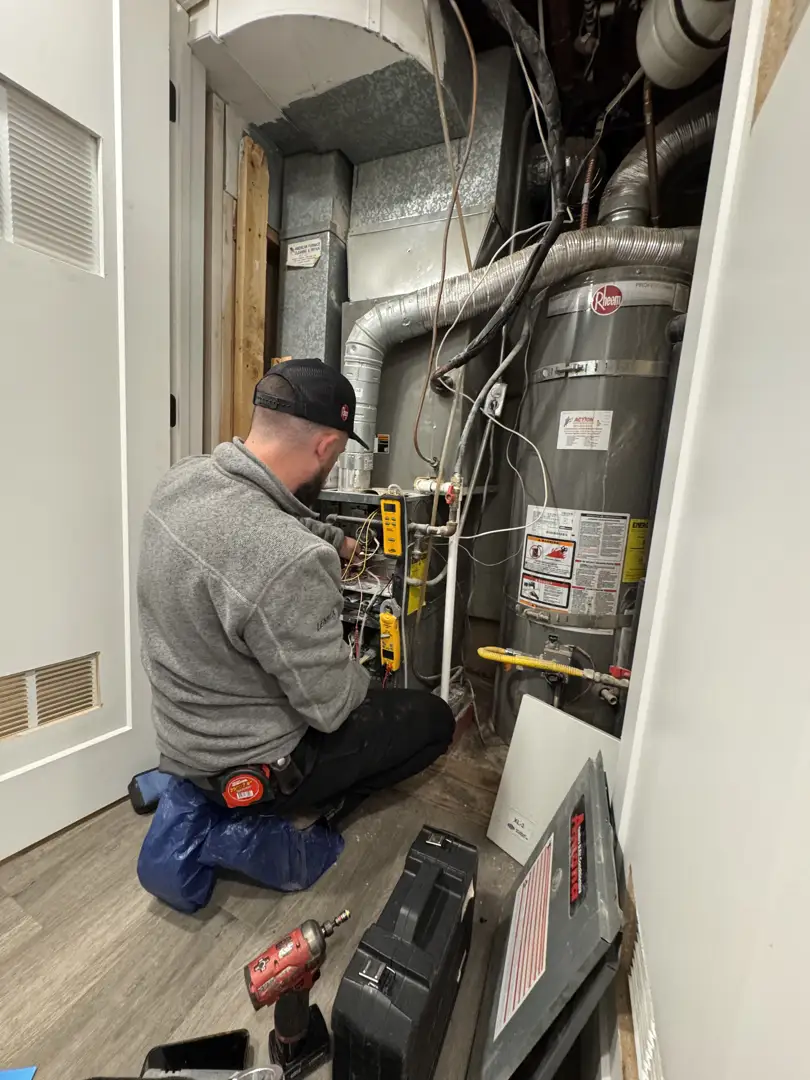
Don't Wait for Hot Water with Same Day Repair in SLC
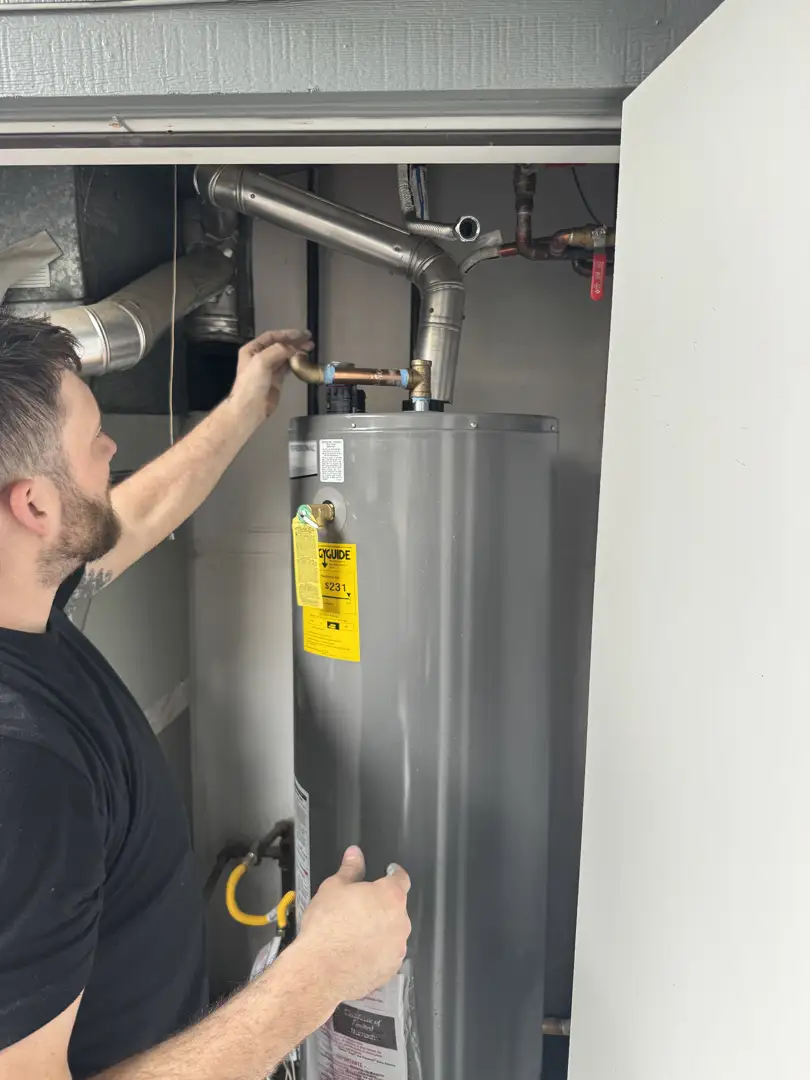
Layton Water Heater Repair Deals You Can't Miss
Who Are the Real Water Heater Experts in Riverton?