

The Inside Scoop on What Happens During an AC Tune-Up


.avif)

What Your Technician Should Check During a Spring AC Visit (And Why It Matters)
What your technician should check during a spring ac visit covers more ground than most homeowners realize — and knowing the list helps you confirm you're getting a thorough job. Here's a quick overview of the key checks:
- Air filter — inspect and replace if restricted
- Thermostat — calibrate for accurate temperature control
- Electrical connections and capacitors — test for wear, loose wires, and correct voltage
- Refrigerant levels — check charge and inspect for leaks
- Evaporator and condenser coils — clean for proper heat transfer
- Condensate drain line — flush and clear to prevent water damage and mold
- Blower motor and fan blades — inspect for debris, test lubrication and airflow
- Safety controls — verify all shutoffs and switches are functioning
- Full system performance test — measure temperature split and confirm efficient operation
When your AC sits idle all winter, dust, debris, and wear quietly build up inside the system. By the time summer heat arrives in Salt Lake City, those small issues can turn into expensive emergency breakdowns — often when HVAC technicians are already slammed with calls. Heating and cooling already account for nearly half of a home's total energy use, and an unmaintained system can lose up to 5% efficiency every single year it goes unserviced. That's real money walking out the door every month on your utility bill. A professional spring visit catches problems early, keeps your system running at peak performance, and gives you confidence heading into the hottest months of the year.
I'm Bryson Ninow, an NATE-certified HVAC professional with hands-on experience performing exactly the kind of thorough inspections that cover what your technician should check during a spring ac visit — from electrical safety checks to refrigerant diagnostics. I've seen how a single skipped tune-up can snowball into a costly compressor failure, and I'm here to walk you through everything a quality spring visit should include.

Why a Spring AC Visit is Essential Before Summer
Think of a spring AC tune-up as a "wellness visit" for your home. Just as you wouldn't take a cross-country road trip in April 2026 without checking your car's oil and tires, you shouldn't ask your air conditioner to run 2,000 hours this summer without a professional look-over. The Importance of AC Tune-Ups cannot be overstated, especially when you consider that nearly 85% of emergency summer repairs are preventable with routine maintenance.
Beyond avoiding a sweat-filled afternoon waiting for a repair truck, Annual AC Tune-Ups are a financial safeguard. Most major manufacturers, like Carrier or Lennox, actually require proof of professional annual maintenance to keep your warranty valid. If a major component like your compressor fails and you haven't had your spring visit, you could be stuck footing a massive bill that would have otherwise been covered.
Furthermore, an unmaintained AC unit can see its lifespan reduced by up to 50%. While a typical system should last 15 to 20 years, neglect can force a replacement much sooner. With electricity rates rising by as much as 20% in many areas, keeping your system efficient is the best way to lower utility bills. Simply put, AC Tune-Ups Prevent Breakdowns and keep your hard-earned money in your pocket.
What Your Technician Should Check During a Spring AC Visit
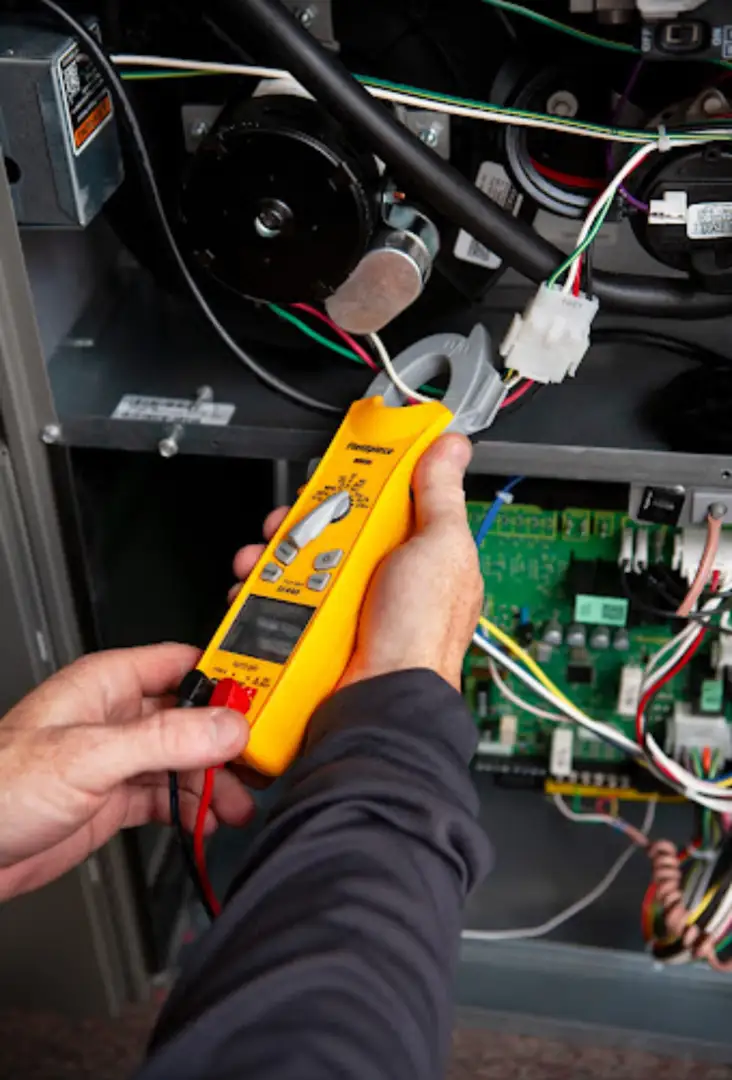
A truly comprehensive AC Tune-Up isn't just a quick visual glance. When we perform an AC Tune-Up in Salt Lake City, UT, we dive deep into the mechanical and electrical heart of the machine. The goal is to identify "hidden" wear and tear—the kind of issues that don't make noise yet but will cause a system failure when the temperature hits 95 degrees in July.
Inspecting Electrical Controls and Capacitors
Electrical issues are responsible for a huge chunk of AC failures. During a visit, we focus on tightening every wire connection. Why? Because the natural vibration of the unit, combined with the expansion and contraction caused by Utah's temperature swings, can loosen wires over time. Loose connections lead to "pitting" or arcing, which is a major fire hazard and can fry expensive circuit boards.
We also perform an amp-draw test on the motors and test the capacitors. Capacitors are like the "batteries" that give your motors the jolt they need to start. If a capacitor is bulging or leaking, it's about to fail. Replacing it during a spring visit is a simple fix; waiting until it dies in July could cause the motor itself to burn out. This is exactly Why Regular AC Tune-Ups Are Vital for fire prevention and component longevity.
Verifying Refrigerant Levels and Leak Detection
One of the biggest myths in HVAC is that refrigerant (often called Freon) is "used up" like gasoline. In reality, your AC system is a closed loop. If you are low on refrigerant, you have a leak.
In our Pre-Season AC System Inspection Guide, we emphasize measuring "superheat" and "subcooling." These are technical measurements that tell us exactly how the refrigerant is performing. If the levels are off by even a small amount, your compressor has to work much harder, leading to higher bills and an early death for the most expensive part of your system. Detecting these leaks early protects the environment and your wallet.
Deep Cleaning the Coils and Condensate System
Dirt is the mortal enemy of your air conditioner. When coils get dirty, they act like a thermal blanket, trapping heat inside the system instead of releasing it. This is why Essential Spring HVAC Maintenance Tasks always include a thorough cleaning of the outdoor condenser coils.
In Salt Lake City, cottonwood seeds, dust, and pollen can coat your outdoor unit in a thick "sweater" of debris. A clean coil can improve efficiency by up to 15%, which is a massive difference when you’re cooling a home all summer. We also check the indoor evaporator coil for mold or dust buildup, ensuring that the air blowing through your vents is clean and cold. These Spring HVAC Tune-Up Essentials are the secret to a high-performing system.
Clearing the Condensate Drain Line
Your AC doesn't just cool the air; it removes humidity. That moisture turns into water (condensate) that must flow out of your home. Over the winter, algae and dust can settle in the drain pan and line, creating a "sludge" that leads to clogs.
According to our Seasonal AC Maintenance Guide, a clogged drain line is one of the most common causes of water damage in Utah homes. If the line clogs, the water backs up into the house, potentially ruining drywall or flooring. We flush the line—often using a vinegar solution or specialized tablets—to kill algae and ensure the water flows safely to the sewer.
What Your Technician Should Check During a Spring AC Visit Regarding Airflow
Airflow problems can reduce system efficiency by up to 15%. We inspect the blower motor and fan blades to ensure they are balanced and free of debris. For AC Tune-Ups for New Homeowners, it’s important to note that a clogged blower motor can overheat and burn out, which is a very expensive repair.
We also check the "static pressure" of your ductwork. This tells us if your air is moving freely or if there are restrictions (like a crushed duct or a hidden blockage) that are forcing the fan to work overtime. A quick visual check of accessible ductwork can reveal leaks where you might be losing 20% to 30% of your cooled air to the attic or crawlspace.
Maximizing Efficiency with Thermostat and Performance Tests
Your thermostat is the "brain" of your HVAC system. If it isn't calibrated correctly, your AC might run too long or shut off before you're actually comfortable. During a spring visit, we verify that the temperature the thermostat "sees" matches the actual room temperature.
Time to Schedule an AC Tune-Up is also a great time to discuss smart home integration. Upgrading to a programmable or smart thermostat can save you 10% to 15% on cooling costs by adjusting the temperature when you aren't home. Finally, we run a full cycle test, measuring the "temperature split"—the difference between the air going into the system and the cold air coming out—to ensure everything is balanced perfectly.
What Your Technician Should Check During a Spring AC Visit for DIY Homeowners
While we handle the technical heavy lifting, there are several things you can do to help. If you're in Draper, UT, for an AC Tune-Up, or anywhere along the Wasatch Front, keep these DIY tips in mind:
- Filter Replacement: This is the #1 thing you can do. A dirty filter restricts airflow and can even cause your system to freeze up. Check it monthly!
- The 2-Foot Rule: Ensure there is at least 2 feet of clear space around your outdoor unit. Trim back bushes, remove tall grass, and clear away any stray toys or garden tools.
- Visual Debris Removal: If you see leaves or twigs stuck in the top of the unit, carefully remove them (with the power off).
- Register Cleaning: Dust your supply and return vents to keep the air in your home clean.
- Shading: If possible, provide some shade for your outdoor unit, but make sure you don't block the airflow around it.
Frequently Asked Questions About AC Maintenance
How often should I schedule professional AC tune-ups?
You should schedule a professional tune-up once a year, ideally in the spring (March or April). If you have a heat pump that provides both heating and cooling, we recommend twice-yearly service—once in the spring and once in the fall.
Does a tune-up include adding refrigerant?
A standard tune-up includes checking the levels, but if refrigerant needs to be added, it indicates a leak that must be repaired. Because refrigerant is a specialized chemical, adding it is considered a separate service from the preventative maintenance visit.
Can skipping maintenance void my manufacturer warranty?
Yes, absolutely. Most manufacturers specifically state in their warranty documents that annual professional maintenance is required. If you skip a year and then try to file a claim for a broken part, they may deny the claim if you cannot provide service records.
Conclusion
At S.O.S. Heating & Cooling, we’ve spent years serving our neighbors from Bountiful to South Jordan and everywhere in between. We know that Utah summers are no joke, and we believe every homeowner deserves the peace of mind that comes with a reliable, efficient cooling system. By following the checklist of what your technician should check during a spring ac visit, you’re ensuring a more comfortable home and a longer-lasting AC unit.
Don't wait for the first 90-degree day to find out your system is struggling. Schedule your AC Tune-Up with us today and let our NATE-certified experts get your home ready for a worry-free summer!

Plumbing
Expert plumbing services offering reliable repairs, installations, maintenance, and emergency support.

Air Conditioning
Comprehensive air conditioning services include installation, repairs, maintenance, and energy-efficient solutions.
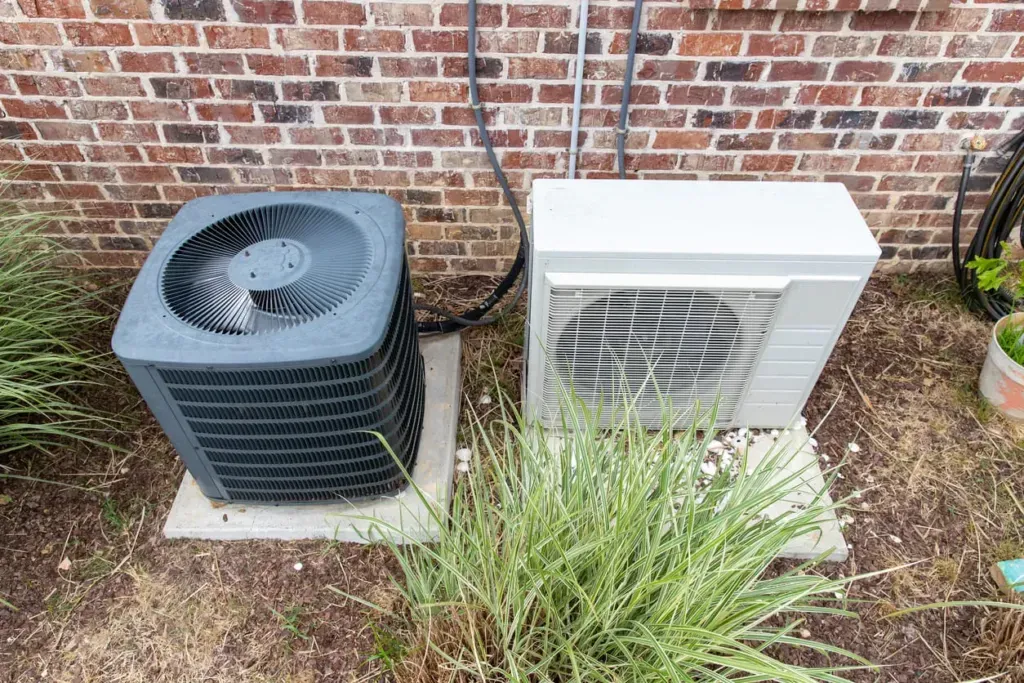
Heat Pumps
Enjoy year-round comfort with our energy-efficient and professional heat pump solutions.

Indoor Air Quality
Enhance your home’s air with our cutting-edge indoor air quality solutions you can trust.

Fireplaces
Transform your space into a warm and cozy atmosphere with our professional fireplace services.

Heating
Specialized heating services provide reliable installation, repair, system maintenance, and energy-optimization solutions.
Explore Our Latest Insights and Updates in Plumbing Services
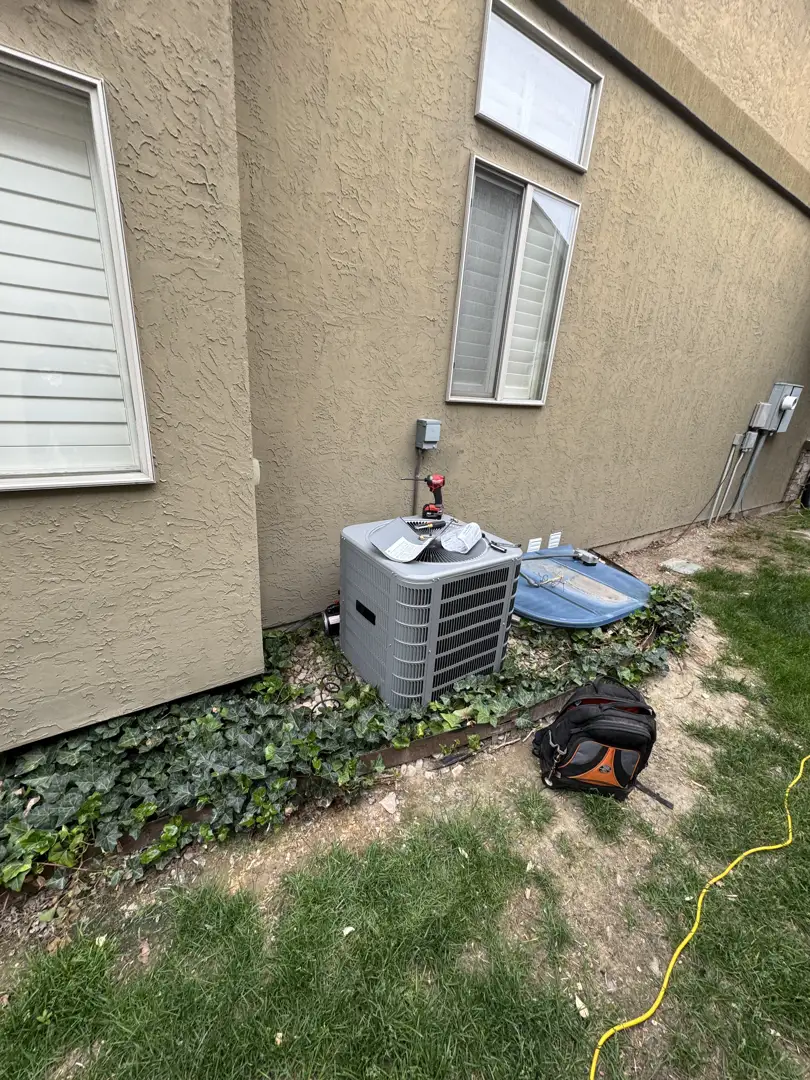
Summer AC Maintenance Checklist for Salt Lake Valley Homeowners
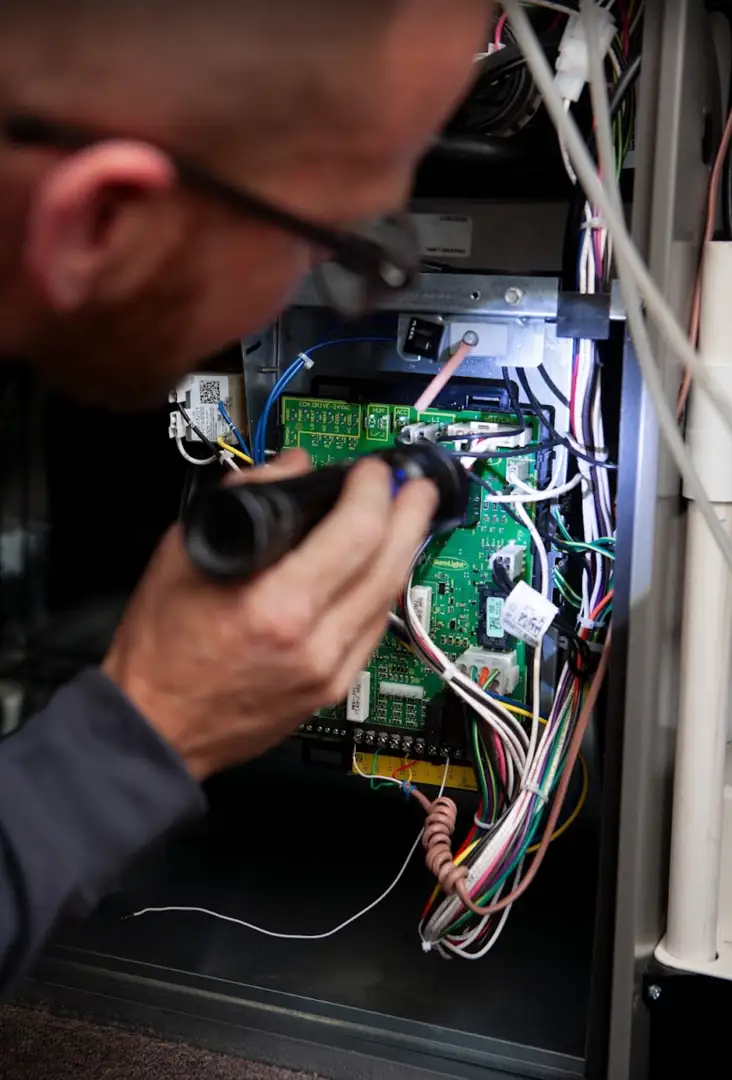
How to Fix AC Tripping the Breaker in Your Salt Lake Home

