

Cool Air and Cold Cash: How Tune Ups Save You Money


.avif)

Why Every Salt Lake City Homeowner Should Understand How a Tune Up Improves Efficiency and Lowers Bills
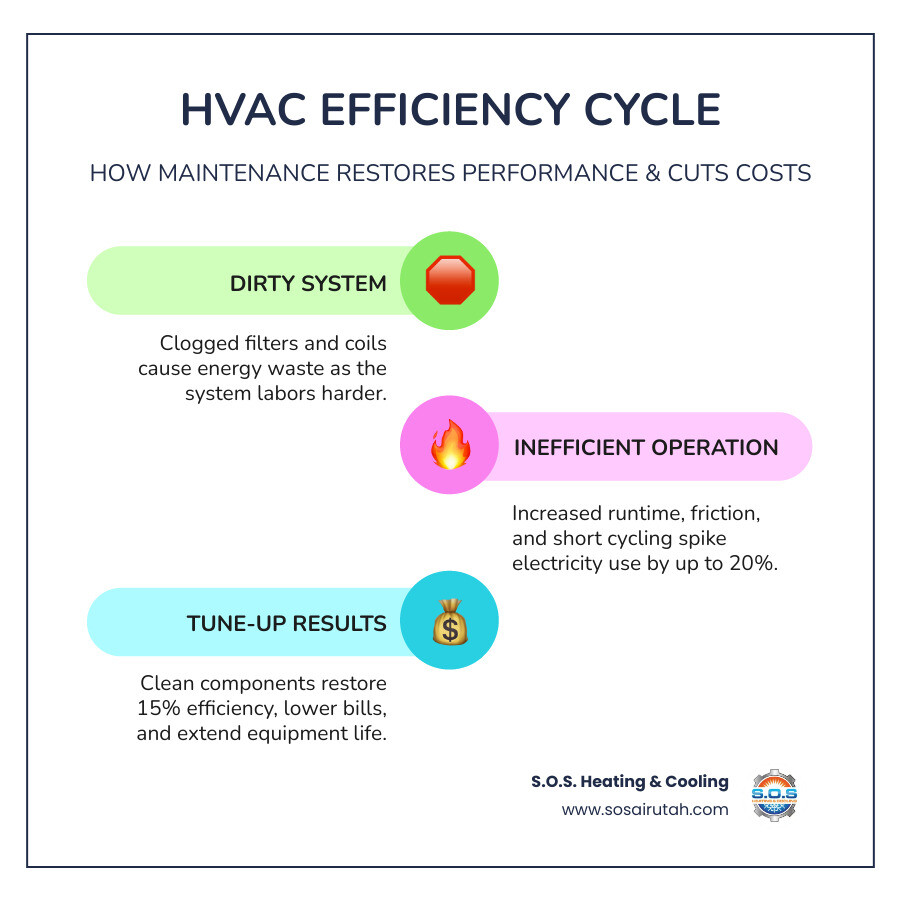
Understanding how a tune up improves efficiency and lowers bills starts with one simple fact: your HVAC system works harder than it needs to when it hasn't been serviced. Here's a quick summary of what's actually happening:
- Dirty coils and clogged filters force your system to consume more energy to move the same amount of air
- Low refrigerant levels reduce cooling capacity, making your unit run longer to reach your set temperature
- Uncalibrated thermostats cause short cycling, wasting energy on repeated start-ups
- Worn or unlubricated parts create friction that drives up electricity use
- Regular tune-ups can restore up to 15% operational efficiency and reduce monthly energy bills by as much as 20%
For homeowners on the Wasatch Front, where summers push into the high 90s and winters regularly drop below freezing, your HVAC system is one of your biggest monthly expenses. Heating and cooling can account for nearly half of your utility bill. When your system is running inefficiently — even slightly — those costs compound month after month without any obvious warning signs.
The frustrating part? Most of the inefficiency is invisible. Your system keeps running. Your home stays somewhat comfortable. But your utility bills quietly climb, and the wear building up inside your equipment is shortening its lifespan with every cycle.
That's exactly why preventative maintenance isn't optional — it's the most straightforward way to protect your budget and your equipment at the same time.
My name is Bryson Ninow, and with certifications including NATE, EPA, RMGA, and DOPL, I've spent years helping Salt Lake City homeowners understand how a tune up improves efficiency and lowers bills — and how to stop paying more than they should for home comfort. In the sections ahead, I'll walk you through exactly what happens during a professional tune-up and why it makes such a measurable difference on your monthly statement.
The Mechanics of How a Tune Up Improves Efficiency and Lowers Bills
To truly grasp how a tune up improves efficiency and lowers bills, it helps to think of your HVAC system like a high-performance athlete. If an athlete is dehydrated, wearing heavy boots, and breathing through a straw, they’ll burn far more energy just to cross the finish line. Your furnace and AC are no different.
When we perform a professional tune-up, we are essentially restoring the system to its "factory specs." Over a year of Utah weather—from the dust of a dry July to the soot and debris of a long winter—the internal components of your system begin to "drift." This drift is where energy waste happens.
Airflow Restoration and Friction Reduction
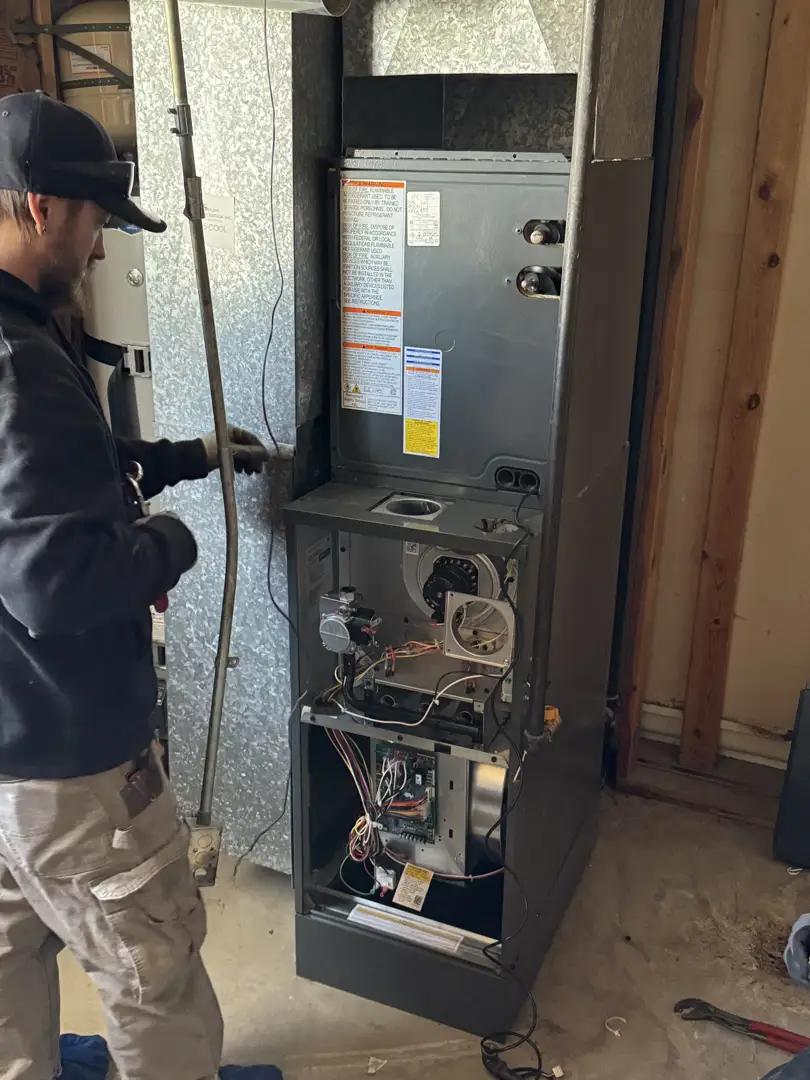
One of the primary ways we improve your AC unit's efficiency is by restoring proper airflow. When dust builds up on the blower fan blades or inside the ductwork, the motor has to work significantly harder to push air through your home. This is known as static pressure. By cleaning these components and ensuring the blower motor is lubricated, we reduce the electrical draw required to move that air.
Friction is another silent "bill-killer." Moving parts like bearings and belts require precise lubrication. Without it, the motor generates excess heat and consumes more electricity to overcome the resistance. A simple lubrication task during a tune-up can measurably lower the "amps" your system pulls while running.
Component Calibration
Finally, we focus on component calibration. This involves testing electrical connections and ensuring that the "brain" of your system—the control board and thermostat—is communicating correctly with the "muscles"—the compressor and burners. When these are out of sync, the system stays on longer than necessary, driving up your energy consumption.
| Performance Metric | Maintained System | Neglected System |
|---|---|---|
| Operational Efficiency | 95% - 100% of Rated SEER/AFUE | 70% - 85% of Rated SEER/AFUE |
| Energy Consumption | Optimal / Baseline | 15% - 30% Higher |
| Airflow Speed | Consistent & Strong | Weak or Restricted |
| Component Wear | Minimal (Lubricated) | High (Heat & Friction) |
| Monthly Bill Impact | Stable | Rising 10% - 20% Annually |
Key Components That Drive Your Monthly Savings
A professional tune-up isn't just a quick "look-see." It is a multi-point surgical inspection of the parts that matter most to your wallet. If you’ve ever wondered exactly how a tune up improves efficiency and lowers bills, the answer lies in these specific components.
The Role of Air Filters and Refrigerant
While changing a filter seems like a small task, it is the most common reason for HVAC inefficiency. A clogged filter acts like a wall, forcing the system to run for longer cycles to achieve the same temperature. Furthermore, we check your refrigerant levels. If your AC is even slightly low on "charge," it can't absorb heat effectively. This forces the compressor to run 24/7, which is a recipe for a massive utility bill and a premature system breakdown.
Electrical Connections and Safety Controls
We also tighten every electrical connection. Loose wires can cause "pitting" and resistance, which wastes electricity and creates a fire hazard. We test the system's safety controls to ensure that if a problem does occur, the system shuts down safely rather than grinding itself into a multi-thousand-dollar repair. This is a core part of the importance of AC tune-ups; it's about both savings and safety.
How a tune up improves efficiency and lowers bills through coil cleaning
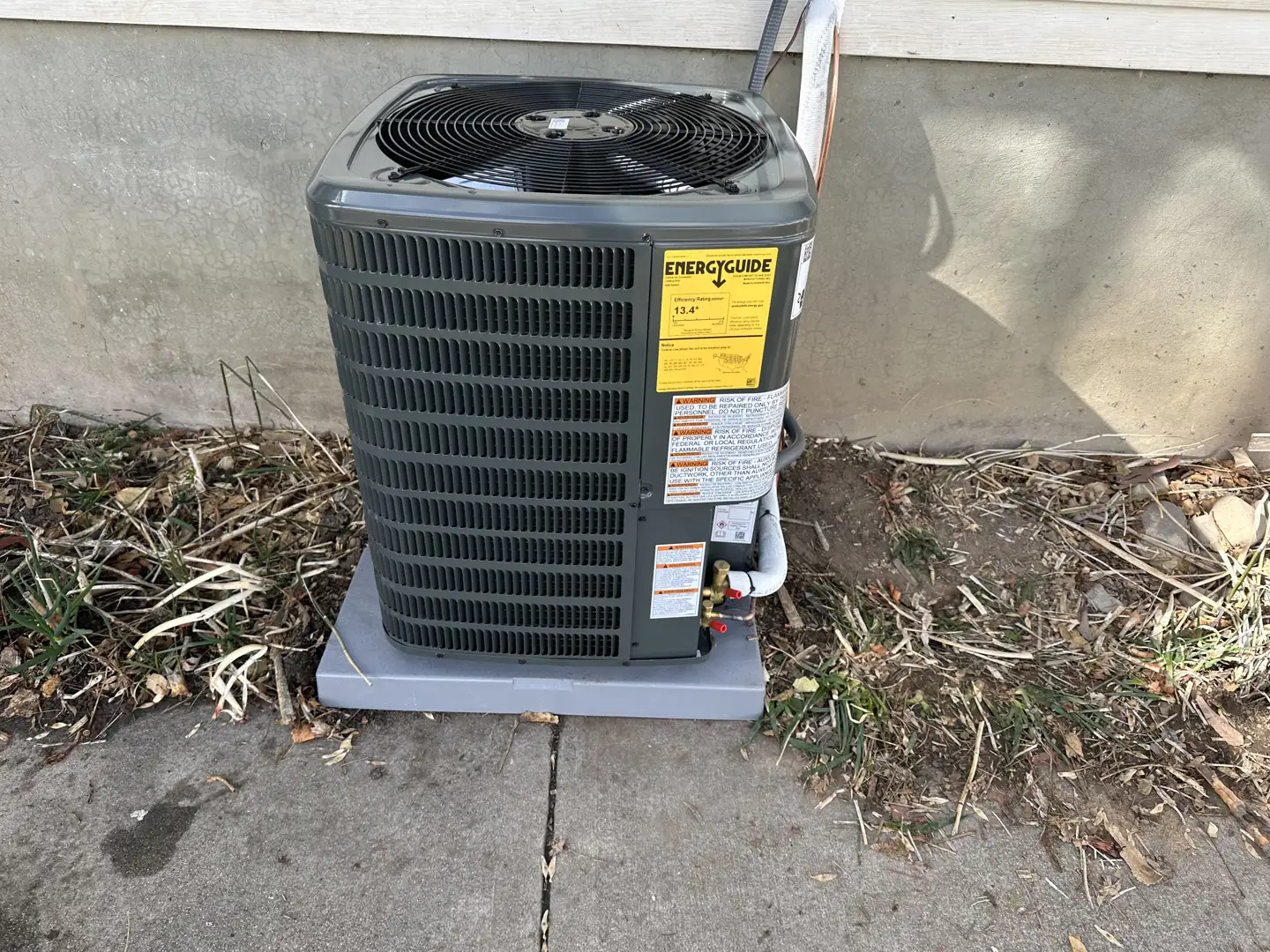
Your AC system relies on thermal exchange. The evaporator coil (inside) and the condenser coil (outside) are responsible for moving heat out of your home. However, these coils are magnets for dust, pollen, and Salt Lake City smog.
When a layer of grime coats these coils, it acts as an insulator. Instead of heat moving freely through the metal fins, it gets trapped. This forces the system to consume significantly more energy to achieve the "thermal exchange" needed to cool your home. Our AC tune-up services include deep cleaning these coils, which can instantly restore cooling capacity and reduce the runtime of your outdoor unit.
How a tune up improves efficiency and lowers bills by calibrating thermostats
The thermostat is the commanding officer of your HVAC system. If its sensors are dusty or its calibration is off by just two degrees, your system may engage in "short cycling." This is when the unit turns on and off rapidly.
Starting an HVAC motor takes much more energy than keeping it running. Short cycling is like stop-and-go traffic for your car—it kills your "gas mileage" (or in this case, your electricity bill). During an HVAC tune-up in Salt Lake City, UT, we verify that your thermostat is reading the room temperature accurately and responding quickly, ensuring your home stays comfortable without wasting energy on unnecessary start-ups.
Long-Term Financial Benefits of Regular Maintenance
While the monthly savings are great, the real "cold cash" comes from the long-term financial benefits. Think of a tune-up like an oil change for your car. You could skip it to save a few bucks today, but you'll eventually pay for a new engine.
Equipment Lifespan and the 15-Year Goal
In our experience servicing homes from Bountiful to Draper, a well-maintained system can easily last 15 years or more. Conversely, a neglected system often starts failing around year 10. By investing in annual maintenance, you are essentially delaying a five-figure replacement cost by half a decade. That is a massive return on investment.
Warranty Preservation
Did you know that most HVAC manufacturers actually require proof of annual professional maintenance to keep your warranty valid? If your compressor fails in year seven but you can't show service records, the manufacturer might deny your claim. Regular heating tune-ups in Salt Lake City, UT ensure that if a major part does break, you aren't stuck with the full bill.
Emergency Repair Prevention
There is nothing more expensive than an emergency repair on a Sunday night in the middle of a January inversion. Most "sudden" breakdowns are actually the result of small issues—like a worn capacitor or a frayed belt—that could have been caught months earlier. Our maintenance plans are designed to catch these "glitches" before they become catastrophes, lowering your total cost of ownership.
When to Schedule Your Professional HVAC Service
Timing is everything when it comes to maximizing your savings. If you wait until the first 100-degree day in July to call us, you've already missed out on months of potential efficiency gains.
Seasonal Transitions
The best time for a tune-up is during the "shoulder seasons":
- Spring (March - May): Prepare your AC for the summer heat. This ensures your coils are clean before they have to work their hardest.
- Fall (September - November): Get a furnace repair for optimal efficiency or a standard tune-up before the first snow. This is also a critical safety window to check for carbon monoxide leaks.
Signs You’re Overdue
If you notice any of the following, don't wait for the next season—schedule a visit immediately:
- Rising Utility Bills: If your usage hasn't changed but your bill has spiked by 10% or more compared to last April, your system is losing the efficiency battle.
- Unusual Noises: Banging, hissing, or screeching are signs of mechanical friction or refrigerant leaks.
- Frequent Cycling: If your system turns on and off every few minutes, it’s burning cash.
- Uneven Temperatures: If the kitchen is a sauna but the bedroom is an icebox, your airflow is likely restricted.
Frequently Asked Questions About HVAC Efficiency
Can I perform a full HVAC tune-up myself?
While we love a good DIY project, a full HVAC tune-up requires specialized tools that the average homeowner doesn't have. For example, checking refrigerant levels requires manifold gauges and EPA certification to handle the gases safely. Testing electrical capacitors requires a multimeter and the knowledge of how to discharge high-voltage components safely.
What you SHOULD do:
- Change your air filters every 1-3 months.
- Clear weeds, leaves, and debris away from your outdoor unit (keep a 2-foot clearance).
- Ensure all indoor vents are open and not blocked by furniture.
What we do:
- Handle high-voltage electrical testing.
- Clean internal evaporator coils.
- Calibrate gas pressure and check for heat exchanger cracks (safety hazards).
How much can I actually save on my energy bills?
The Department of Energy and various industry studies show that regular maintenance can improve operational efficiency by up to 15%. For a family in a typical Salt Lake City home, this often translates to a 20% reduction in monthly energy bills. If you combine a tune-up with strategic thermostat adjustments (setting it 7-10 degrees back when you're away), you can save an additional 10% annually. Over the course of a year, these savings often more than pay for the cost of the tune-up itself.
What happens if I skip my annual maintenance?
Skipping maintenance is a gamble where the house always wins. First, you'll see a steady 5% to 10% decrease in efficiency every year, meaning you're paying more for less comfort. Second, you risk a "catastrophic failure." A $20 part that fails can cause a $2,000 part to overheat and die. Finally, there are safety risks. In winter, a neglected furnace can develop cracks in the heat exchanger, which can leak deadly carbon monoxide into your home. A professional tune-up includes a safety check that can literally save lives.
Conclusion: Trust S.O.S. Heating & Cooling for Your Home Comfort
At S.O.S. Heating & Cooling, we’ve spent years serving our neighbors across the Wasatch Front—from the quiet streets of Kaysville and Layton down to the bustling neighborhoods of Sandy and Riverton. We know exactly what the Utah climate does to an HVAC system, and we know exactly how a tune up improves efficiency and lowers bills for our local families.
We pride ourselves on being more than just a repair service; we are your partners in home efficiency. Whether you're in Holladay, Murray, or South Jordan, our NATE-certified technicians are ready to provide the precision care your system needs to run at peak performance. We offer 24/7 emergency service and flexible financing because we believe every homeowner deserves a comfortable, safe, and affordable home.
Don't let your hard-earned cash vanish into thin air through an inefficient HVAC system. Take control of your utility bills today. Schedule your AC Tune-Up with us and experience the difference that professional maintenance makes. Your home will be cooler, and your wallet will be heavier.
Explore Our Latest Insights and Updates in Plumbing Services
The Wasatch Front Guide to Choosing Standard or Premium AC
The Early Bird Gets the Coolest Air This Summer
The Fantastic Four Components That Keep You Cool