
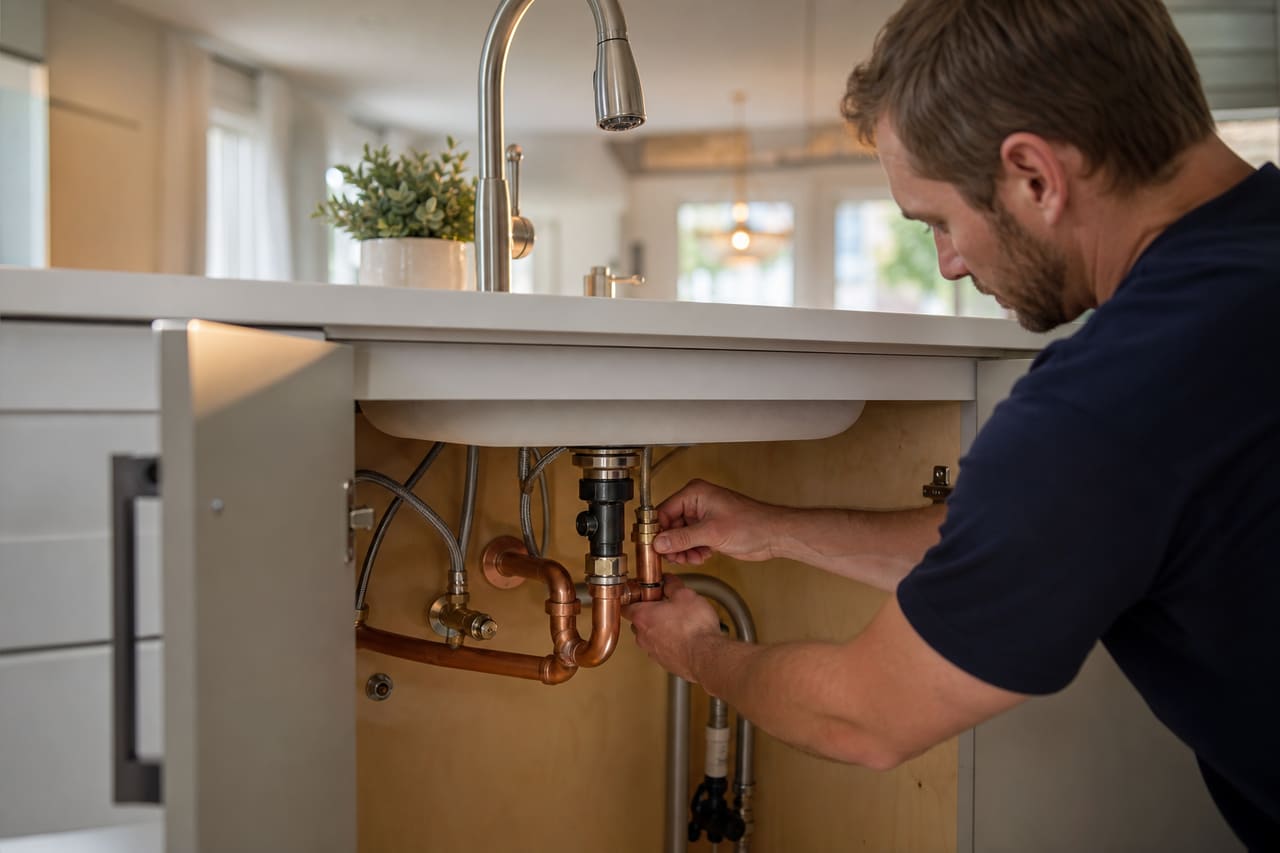
The Ins and Outs of How Hard Utah Water Causes Mineral Buildup in Toilet and Drain Lines
Why Hard Utah Water Causes Mineral Buildup in Toilet and Drain Lines — And What It Means for Your Home How hard Utah water causes mineral…
Why Hard Utah Water Causes Mineral Buildup in Toilet and Drain Lines — And What It Means for Your Home
How hard Utah water causes mineral buildup in toilet and drain lines is one of the most common — and most overlooked — plumbing problems facing Salt Lake City homeowners. If you've noticed white crusty rings in your toilet bowl, sluggish drains, or a weak flush that just won't clear properly, Utah's notoriously hard water is almost certainly the culprit.
Here's the short answer:
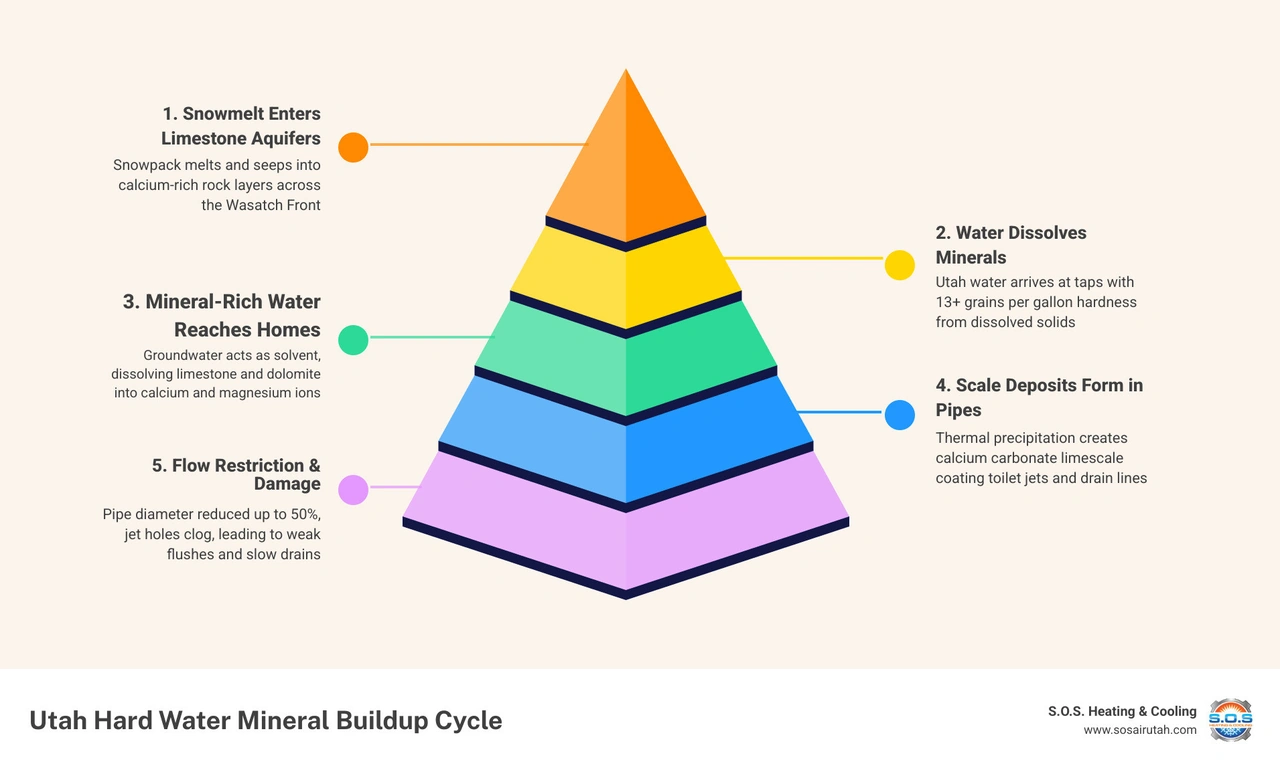
- Utah water in Salt Lake City averages 13 grains per gallon (GPG) — well above the "very hard" threshold of 10.5 GPG
- Hard water carries dissolved calcium and magnesium picked up as snowmelt travels through limestone and dolomite rock formations
- When that mineral-rich water flows through your toilet and drain lines, it leaves behind calcium carbonate deposits — commonly called limescale
- Over time, scale coats the inside of pipes, clogs toilet jet holes, restricts flush flow, and can reduce interior pipe diameter by 30–50% in older copper lines
- The buildup is gradual and largely invisible until real damage has already set in
Utah's geology is a big part of why this problem is so severe here compared to most of the country. Groundwater spends significant time moving through calcium-rich rock layers before it ever reaches your tap — and it arrives loaded with minerals that your plumbing pays the price for over time.
I'm Bryson Ninow, an HVAC and home systems professional with certifications in DOPL, EPA, NATE, and RMGA, and I've seen how hard Utah water causes mineral buildup in toilet and drain lines that quietly drives up energy costs and shortens the life of home plumbing systems. In this guide, I'll walk you through exactly how it happens, what to watch for, and how to protect your home before the damage becomes expensive.
The Science Behind How Hard Utah Water Causes Mineral Buildup in Toilet and Drain Lines
To understand why our pipes suffer so much, we have to look at the unique geology of the Wasatch Front. When winter snowpack melts and runs down our beautiful mountains, that water doesn't stay pure for long. As it seeps into the ground and flows toward our local aquifers, it acts as a solvent, slowly dissolving the surrounding rock.
Utah's underground geology is rich in sedimentary rock, specifically limestone and dolomite. These rock formations are packed with calcium carbonate and magnesium. By the time this groundwater is pumped up by municipal water systems, it is heavily saturated with these dissolved minerals.
When this mineral-heavy water enters your home's plumbing system, it remains stable as long as the temperature and pressure do not change. However, as soon as the water is exposed to air, undergoes temperature changes, or sits stagnant, these dissolved solids begin to precipitate out of the water. This chemical transition turns dissolved calcium bicarbonate into solid calcium carbonate, forming the hard, chalky, and stubborn crust we call limescale.
This process is a constant battle for homeowners along the Wasatch Front. Whether you are dealing with the water supply in Salt Lake City or managing the unique local water profile highlighted in our guide on Water Quality in Woods Cross UT, the mineral content is high enough to actively degrade your home's infrastructure. Over time, these mineral deposits act like arterial plaque inside your plumbing, gradually choking off water flow. To learn more about how this geological reality impacts your home's pipes, check out our comprehensive article on How Utah Hard Water Affects Your Plumbing.
Understanding How Hard Utah Water Causes Mineral Buildup in Toilet and Drain Lines Over Time
Mineral precipitation doesn't happen overnight; it is a slow, cumulative process. Every single time you flush your toilet, run a faucet, or drain a tub, a microscopic layer of calcium and magnesium is left behind. This is driven by several key factors:
- Thermal Precipitation: Heat accelerates the rate at which minerals separate from water. While this is most obvious in water heaters, it also occurs in bathrooms where warm air causes standing water in toilet bowls and tanks to evaporate, leaving concentrated mineral rings behind.
- Evaporation and Exposure: Stagnant water in the toilet bowl and tank constantly evaporates into the air. As the water level drops slightly between flushes, the concentration of dissolved solids increases, forcing the minerals to crystallize and stick to the porcelain and internal components.
- Friction and Turbulence: As water rushes through drain lines, the physical turbulence can cause dissolved carbon dioxide to escape. This change in water chemistry prompts calcium ions to bond with carbonate ions, forming solid scale on the pipe walls.
To put this into perspective, water hardness is measured in either Parts Per Million (PPM) or Grains Per Gallon (GPG). According to the U.S. Geological Survey (USGS), any water measuring over 180 PPM (10.5 GPG) is officially classified as "very hard." In northern and central Utah, our municipal supplies consistently shatter these thresholds.
To help you see how your specific neighborhood stacks up, we have compiled water hardness measurements for several of our primary service areas:
| Utah City / Service Area | Average Hardness (PPM) | Average Hardness (GPG) | USGS Classification |
|---|---|---|---|
| Bountiful, UT | 513 PPM | 38 GPG | Extreme / Very Hard |
| Riverton, UT | 574 PPM | 34 GPG | Extreme / Very Hard |
| Salt Lake City, UT | 327 PPM | 19.2 GPG | Very Hard |
| Woods Cross, UT | 300+ PPM | 18+ GPG | Very Hard |
| Herriman, UT | 280+ PPM | 16+ GPG | Very Hard |
No matter which of these local communities you call home, your plumbing is constantly exposed to water that is working to restrict your water flow.
Specific Impacts on Toilets and Drain Lines
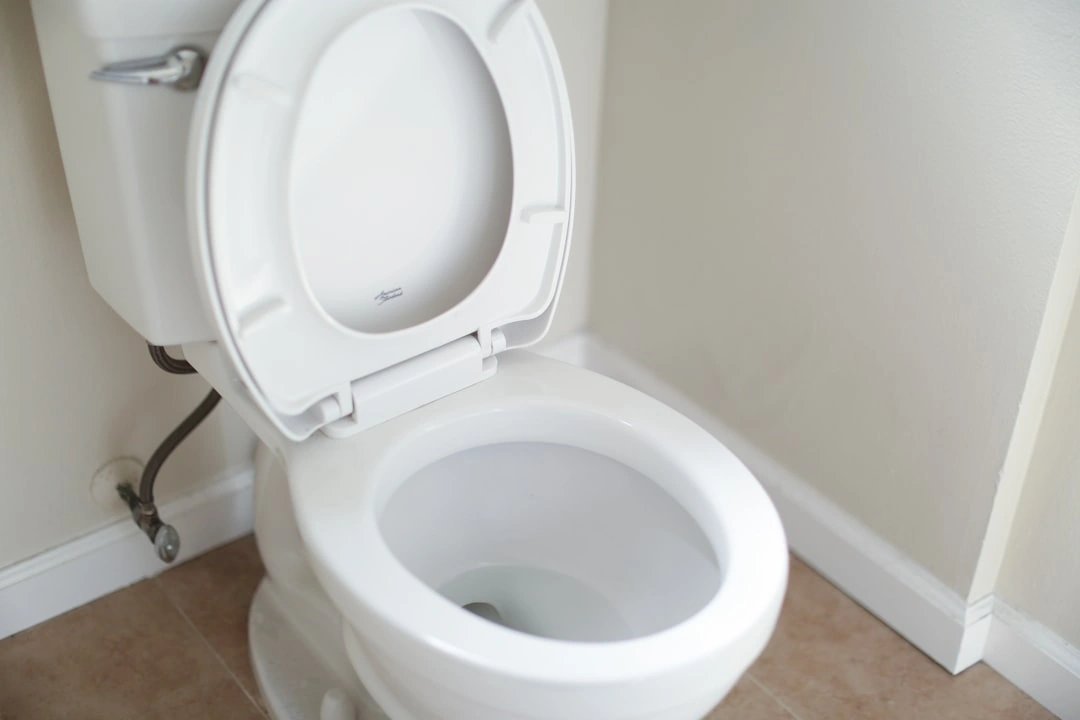
Toilets and drain lines are uniquely vulnerable to the devastating effects of hard water. Because a toilet relies heavily on gravity and precise water distribution to function, even minor mineral obstructions can completely ruin its performance.
When hard water enters a toilet, it targets several hidden areas:
- The Jet Holes (Rim Feeds): Under the rim of your toilet bowl are small angled holes that release water to wash the bowl and push waste down. Because these holes are small and exposed to air, they are the first to clog with white, crusty calcium. When these holes clog, water cannot enter the bowl quickly enough to create a strong siphon, resulting in a weak, lazy flush.
- The Siphon Jet: Located at the very bottom of the toilet bowl, this opening shoots a concentrated stream of water directly into the trapway to initiate the flush cycle. If this jet is narrowed by mineral scale, the toilet will fail to flush solid waste properly, leading to frequent double-flushes and plunging.
- The Overflow Tube: Inside the toilet tank, the overflow tube is constantly exposed to changing water levels. Mineral buildup here can prevent the flapper from sealing correctly or block the refill tube, causing the toilet to run continuously.
- The Drain Lines: Once water leaves the toilet, it enters your main drain lines. Unlike smooth plastic PEX lines used for supply, older cast iron or copper drain lines have rough interior walls. Calcium and magnesium readily stick to these rough surfaces. Over 15 to 20 years, this scale can reduce the interior diameter of a drain pipe by 30% to 50%, creating a perfect trap for hair, waste, and toilet paper.
If you are noticing that your toilet requires multiple flushes or that your bathroom drains are running slower than they used to, you are likely witnessing the early stages of severe scale accumulation. For a deeper look at identifying these issues early, read through our guide on the Signs of Hard Water Damage in Your Home.
Long-Term Plumbing Risks: How Hard Utah Water Causes Mineral Buildup in Toilet and Drain Lines
Ignoring the warning signs of scale buildup can lead to major structural failures in your plumbing system. When how hard utah water causes mineral buildup in toilet and drain lines is left unaddressed, the long-term consequences are both messy and expensive.
The primary risk is a total drain line restriction. As scale continues to accumulate, the interior of your sewer and drain pipes becomes rough and narrow. This rough texture catches debris, causing chronic clogs deep within your walls or under your foundation. In severe cases, these mineral-induced clogs can lead to raw sewage backing up into your tubs, showers, and sinks.
Furthermore, hard water minerals are highly abrasive. As they crystallize on moving parts, they degrade rubber and plastic components inside your toilet tank.
Here is a list of the most common toilet components damaged by hard water scale:
- The Flapper: Mineral deposits coat the rubber seal, preventing it from forming a watertight seal against the flush valve seat, leading to a constant, silent leak.
- The Fill Valve: Scale clogs the internal diaphragm of the fill valve, causing it to screech, run constantly, or fail to fill the tank altogether.
- The Flush Valve Seat: The plastic or metal ring that the flapper rests on becomes pitted and rough from calcium buildup, making even brand-new flappers leak.
- The Wax Ring: While not directly exposed to running water, chronic slow drains caused by downstream scale can create backpressure that eventually blows out the wax ring seal at the base of the toilet, causing water to leak onto your subfloor.
DIY and Chemical Solutions for Removing Limescale
If hard water has already left its mark on your toilet, you don't have to immediately replace the fixture. There are several highly effective DIY methods to dissolve and remove these stubborn mineral deposits before they cause permanent damage.
Because calcium carbonate is highly alkaline, the most effective way to break it down is with a mild acid. Here is how you can safely tackle limescale buildup at home:
1. The Distilled White Vinegar Soak (Best for Tanks and Bowls)
Distilled white vinegar is a fantastic, non-toxic acid that slowly dissolves calcium.
- For the Bowl: Pour one to two gallons of cheap white vinegar directly into the toilet bowl. Let it sit overnight (at least 8 hours) without flushing. The acid will break down the hard water ring, allowing you to scrub it away easily the next morning with a stiff-bristled toilet brush.
- For the Tank: Drain the toilet tank completely by shutting off the water supply valve and flushing. Fill the tank with pure white vinegar up to the overflow line. Let it sit for several hours to dissolve scale on the flush valve, flapper, and fill valve before flushing it through.
2. Clearing Clogged Jet Holes
If your toilet has a weak flush, the rim jets are likely clogged.
- Pour one cup of distilled white vinegar directly down the toilet's overflow tube inside the tank. This routes the acid directly into the rim channel.
- Let it sit for 30 to 60 minutes.
- Take a small mirror and a wire coat hanger or a sturdy paperclip. Look under the rim and gently poke the wire into each jet hole to break up the softened calcium chunks. Flush the toilet to clear out the debris.
3. Citric Acid Treatment
Citric acid powder (available in the baking aisle) is an odorless, highly effective alternative to vinegar. Mix one cup of citric acid powder with hot water and pour it into the toilet bowl or tank, letting it sit for several hours before scrubbing.
4. Commercial Chemical Descalers
For extreme scale that resists vinegar, commercial acidic cleaners containing sulfamic or hydrochloric acid (such as CLR or Lime-A-Way) can be used.
- Safety First: Always wear thick rubber gloves, safety goggles, and ensure the bathroom is well-ventilated by turning on the exhaust fan and opening windows. Never mix these acidic cleaners with bleach-based toilet cleaners, as this creates toxic chlorine gas.
5. Mechanical Scraping
For thick, stubborn rings right at the water line, you can use a wet pumice stone. Ensure both the stone and the toilet bowl are completely wet before scrubbing; dry pumice will scratch and ruin the protective porcelain glaze, creating a rough surface where minerals and stains will stick even faster in the future.
Long-Term Prevention: Water Softeners and Filtration
While DIY cleaning methods are great for managing existing stains, they only treat the symptoms of hard water, not the cause. As long as untreated hard water flows into your home, the scale will continue to rebuild inside your toilet, fixtures, and hidden drain lines. The only true, long-term solution to protect your home's plumbing is treating the water at its source.
This is where a whole-home water softener comes in. These systems utilize an elegant scientific process called ion exchange:
- Hard water enters the softener tank, which is filled with millions of tiny, negatively charged plastic resin beads.
- The resin beads are pre-loaded with sodium or potassium ions, which carry a weak positive charge.
- As the hard water passes through the tank, the highly positive calcium and magnesium ions are strongly attracted to the negative resin beads.
- The beads grab onto the hard mineral ions and release the harmless sodium or potassium ions into the water.
- The result is completely soft water delivered to every tap, toilet, and appliance in your home.
By removing the calcium and magnesium before the water ever touches your plumbing, you stop scale formation in its tracks.
Investing in a water softening system is one of the smartest upgrades a Utah homeowner can make. It preserves your fixtures, keeps your drains running smoothly, and prevents costly premature appliance failures. To see how a system can save you money and protect your home, explore our detailed guides on How a Water Softener Protects Your Plumbing and Appliances and whether a Water Softener Worth It Utah Guide 2026. If you are weighing the upfront costs against the long-term savings on plumbing repairs, our breakdown on Is a Water Softener Worth the Investment in Utah offers valuable local insights.
Frequently Asked Questions about Utah Hard Water
What are the first signs of mineral buildup in my toilet?
The earliest signs of mineral buildup in a toilet include a slow, weak flush that fails to clear the bowl, a persistent white or rust-colored ring at the water line, and small white crusty deposits around the jet holes under the rim. If you hear your toilet running constantly or making high-pitched whistling noises while refilling, scale is likely interfering with the fill valve or flapper seal inside the tank.
Can hard water mineral buildup cause permanent damage to drain lines?
Yes. Over time, calcium carbonate deposits chemically bond to the interior walls of drain pipes, particularly older copper and cast iron lines. This scale acts like a rough adhesive, catching hair, grease, and organic waste, which leads to frequent, severe clogs. Over many years, this buildup can restrict water flow by up to 50%, increase internal pipe pressure, accelerate corrosion, and eventually require complete, highly expensive pipe replacement.
Will a water softener clear existing scale from my pipes?
A water softener is primarily a preventative tool. However, once a water softener is installed, the newly softened water is "hungry" for minerals. Over several years, soft water will slowly and gently dissolve existing light scale deposits inside your pipes. For pipes that are already severely restricted or blocked by decades of heavy calcium buildup, a water softener alone will not clear the blockage; these lines require professional mechanical descaling or replacement.
Conclusion
Living in Utah means dealing with some of the most beautiful landscapes in the country, but it also means managing exceptionally hard water. Now that you know how hard utah water causes mineral buildup in toilet and drain lines, you can take proactive steps to protect your home. From routine vinegar flushes of your toilet tank to installing a whole-home water softening system, keeping your plumbing scale-free will save you from messy clogs, weak flushes, and expensive emergency repairs down the road.
At S.O.S. Heating & Cooling, we have spent years helping homeowners throughout Salt Lake City, Bountiful, Riverton, Draper, and the surrounding communities keep their plumbing running flawlessly. Whether you need help clearing a stubborn, mineral-clogged drain, repairing a damaged toilet, or installing a high-efficiency water softener to protect your home for decades to come, our experienced plumbing team is here to help. We offer 24/7 emergency services, flexible financing options, and no evaluation fees during business hours to make protecting your home as easy and stress-free as possible.
Don't let hard water quietly destroy your home's plumbing system. Schedule professional plumbing services today with the local experts at S.O.S. Heating & Cooling!
Contact Us

Let's Get You From Distress to Rest
No heat, no cool, a backed-up drain, or just due for a tune-up? Call now or request service and our local team will be on the way — upfront pricing, no surprises.