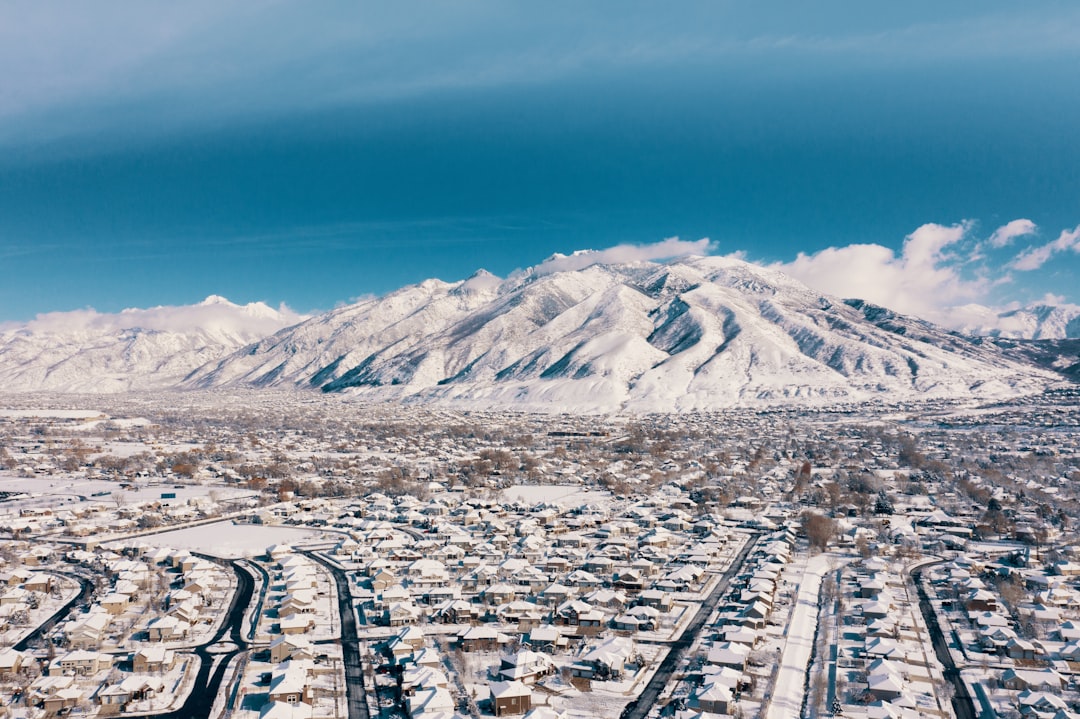

In Depth Guide to How Maintenance Extends AC Life in Wasatch Front Climate


.avif)

Why the Wasatch Front Is One of the Hardest Places in America to Keep an AC Running
How maintenance extends AC life in a demanding Wasatch Front climate comes down to one core truth: Utah's combination of extreme heat, intense UV radiation, abrasive dust, dramatic temperature swings, and high-altitude thin air forces your air conditioner to work far harder than systems in milder parts of the country — and without consistent care, that extra strain quietly shaves years off your equipment's life.
Here's a quick summary of how maintenance protects your AC in Utah's climate:
- Change filters every 30–60 days during peak season to prevent dust and pollen from choking airflow
- Clean condenser and evaporator coils at least once a year to stop efficiency losses from desert dust buildup
- Schedule a professional tune-up each spring before summer heat arrives, covering refrigerant levels, electrical connections, and capacitor health
- Flush the condensate drain every few months to prevent clogs from Utah's fine, hygroscopic dust
- Keep at least 2 feet of clearance around your outdoor unit year-round
- Schedule a fall recovery check after summer to catch wear before winter inversion season settles in
Done consistently, these steps can extend your system's lifespan from the Utah average of 12–16 years up to 15–20+ years — and cut the risk of a surprise summer breakdown by up to 80%.
Most Salt Lake City homeowners don't think about their AC until the first brutal weekend of May, when it either fails to start or runs nonstop without cooling the house down. By then, the damage from a neglected system has often already been done. Neglected systems in climates like Utah's experience up to 30% higher failure rates during peak summer months compared to regularly serviced units — and the repairs that follow are rarely cheap.
I'm Bryson Ninow, an NATE-certified HVAC professional with hands-on experience helping Wasatch Front homeowners understand how maintenance extends AC life in a demanding Wasatch Front climate — from the salt flats dust that coats condenser coils to the winter inversions that pack particulates deep into dormant equipment. In the sections below, I'll walk you through exactly what to do, when to do it, and why it matters for your specific Utah home.
The Wasatch Front Climate: A Battleground for Air Conditioners
The Wasatch Front is a beautiful place to live, but for an air conditioning system, it is a relentless battleground. Our unique geography creates a cocktail of environmental stressors that you simply do not find in other regions.
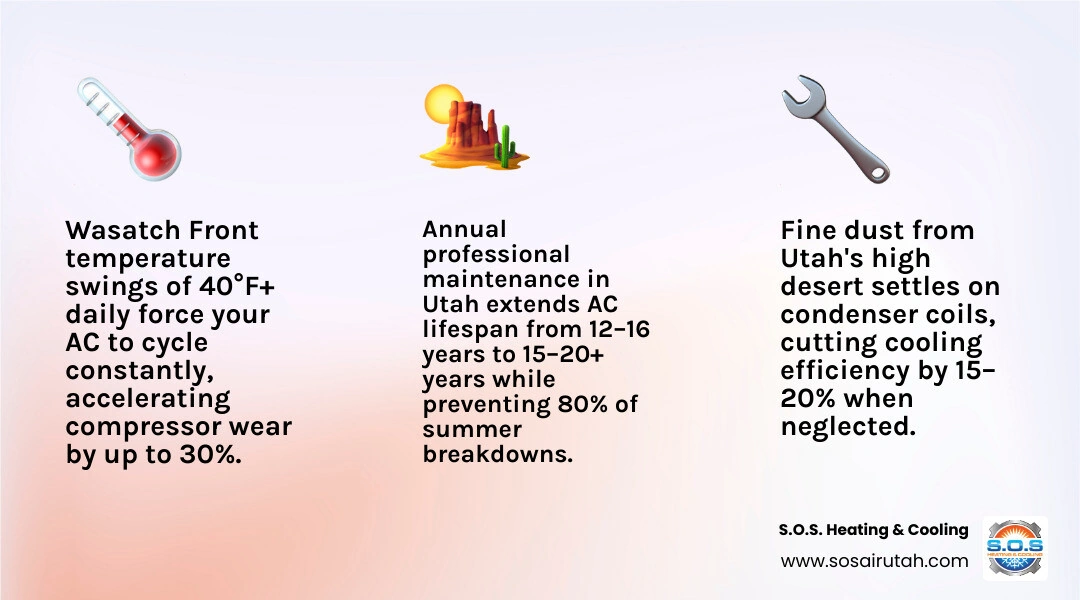
First, let's talk about thermal cycling. In communities like Draper, Sandy, and South Jordan, we regularly experience daily temperature swings exceeding 30 to 40 degrees Fahrenheit. Your system goes from sitting in cool morning air to working under a blistering afternoon sun that pushes past 100 degrees. This rapid heating and cooling causes the metal in your AC to expand and contract constantly, creating severe AC Wear and Tear in Salt Lake City's Climate. Over time, this physical movement weakens brazed joints, loosens electrical terminals, and degrades rubber seals.
Second, our altitude plays a massive role. Sitting at an average elevation of 4,300 feet above sea level, the air is thinner. Thinner air has less density, which means it cannot carry heat away from your outdoor condenser coils as effectively as denser air at sea level. Because of this high-altitude penalty, your system must run longer and work harder just to achieve the same cooling effect. Furthermore, this elevation increases our UV radiation exposure by approximately 17%. Intense UV rays bake the outdoor unit, turning plastic fan blades brittle and disintegrating wire insulation over time.
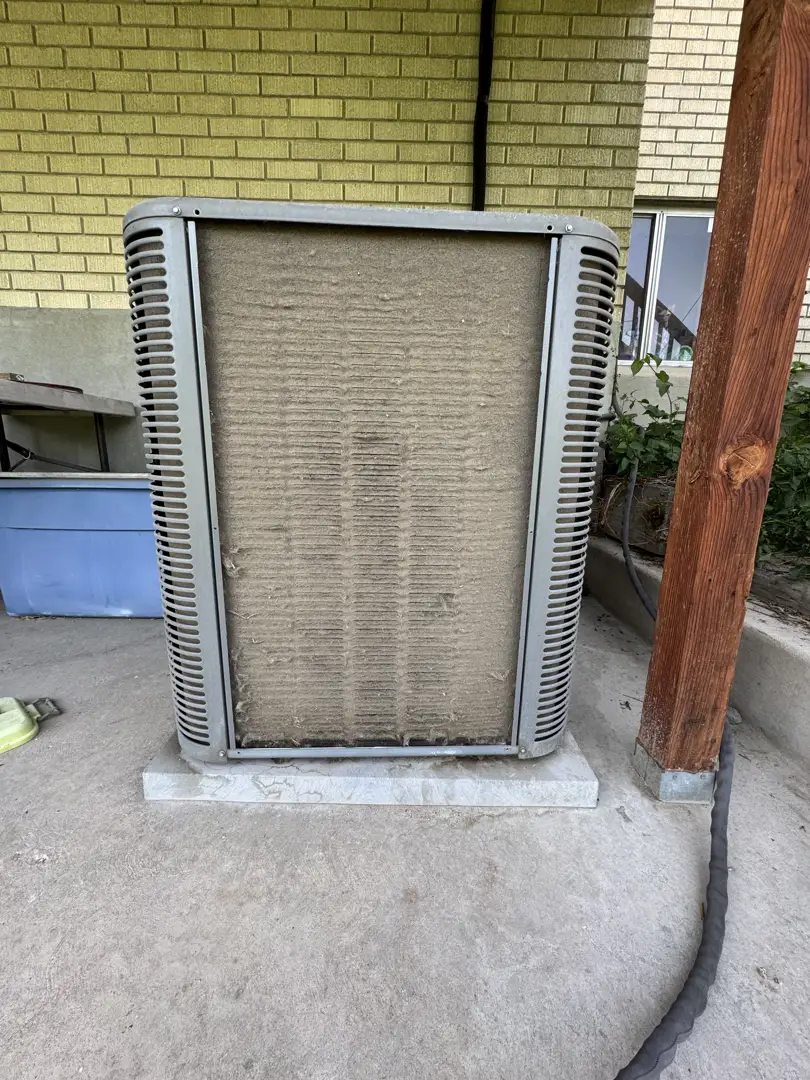
Finally, we must contend with our air quality and dust. The Salt Lake Valley is surrounded by dry, alkaline soils, and we frequently experience high-wind dust storms coming off the west desert. This fine, abrasive dust acts like sandpaper on moving parts and acts as an insulating blanket when it coats your condenser coils. When winter arrives, the story doesn't end. Our famous inversion season traps fine particulates (PM2.5) close to the valley floor. This heavy winter grime settles deep into your dormant outdoor equipment, compounding contamination year over year. To understand the full scope of these environmental challenges, read our detailed breakdown on How High Desert Weather Affects AC Equipment Lifespan.
How Maintenance Extends AC Life in a Demanding Wasatch Front Climate
If the Wasatch Front climate is a battle of attrition, regular maintenance is your system's shield. Without it, a high-quality air conditioner that should last up to two decades will likely fail in 10 to 12 years. Proactive care counteracts environmental degradation, ensuring your system operates efficiently and survives the summer heatwaves.
To understand the difference consistent care makes, let's look at the numbers. A well-maintained system in Utah can achieve up to 15% greater energy efficiency, which directly translates to less runtime and fewer cooling hours on the compressor. When you reduce the overall hours your system runs, you dramatically extend its operational lifespan. You can find more about this in our guide on How Spring Maintenance Extends Your AC Lifespan.
Below is a direct comparison of what happens to an AC system under Utah's harsh conditions with and without regular maintenance:
| Feature / Component | Well-Maintained AC System | Neglected AC System |
|---|---|---|
| Expected Lifespan | 15 to 20+ Years | 10 to 12 Years |
| Average Energy Efficiency | Maintains peak SEER2 rating | Loses 5% to 15% efficiency annually |
| Peak Summer Failure Rate | Low (80% fewer emergency calls) | High (30% higher failure rate in July/August) |
| Compressor Operating Temp | Normal (under 225°F internally) | Elevated (accelerates oil breakdown) |
| Airflow Performance | Strong, consistent static pressure | Weak, restricted by dust and debris |
| Manufacturer Warranty | Fully protected via service records | Risk of being voided due to neglect |
By keeping your system clean, calibrated, and properly lubricated, we reduce the internal friction and heat that destroy expensive components. This wear reduction keeps your monthly utility bills manageable, even when outdoor temperatures push past triple digits in July.
The Science of How Maintenance Extends AC Life in a Demanding Wasatch Front Climate
To appreciate how maintenance extends AC life in a demanding Wasatch Front climate, we have to look at the physics of how these systems fail under stress. The most expensive component in your air conditioner is the compressor. It is the pump that circulates refrigerant. When your outdoor condenser coils are coated in a layer of fine Utah dust, the heat exchange process is severely restricted.
Because the heat cannot escape, the compressor has to pump at much higher pressures. This extra work raises the internal temperature of the compressor. If the internal temperature exceeds 225°F, the lubricating oil inside the compressor begins to break down. Once the oil loses its viscosity, metal-on-metal friction increases, leading to mechanical lockup and premature compressor failure.
At the same time, our sustained summer heat puts immense pressure on electrical components, particularly capacitors. Capacitors act like temporary batteries, providing the electrical boost your fan motors and compressor need to start up. Most standard capacitors are rated to operate safely up to 131°F. However, on a 100°F afternoon in West Jordan or Riverton, the temperature inside your AC's metal electrical cabinet can easily soar past 150°F. Regular maintenance includes testing these capacitors for electrical drift. Catching a weak capacitor before it fails prevents it from damaging the blower motor or compressor.
Additionally, the constant thermal expansion from our 40-degree temperature swings naturally backs copper connections and electrical terminals out of their fittings. During a professional tune-up, we tighten these electrical connections and check for early signs of refrigerant micro-leaks at brazed joints. We also lubricate the fan motors and inspect rubber seals and gaskets before the dry desert air can dry them out and cause them to crack.
Financial and Operational Payoffs of Consistent Care
Investing in seasonal maintenance isn't just about avoiding a breakdown; it is a highly cost-effective financial strategy. The operational payoffs of keeping your system in peak condition are immediate and measurable:
- Lower Monthly Energy Bills: A system with clean coils and optimized refrigerant levels doesn't have to run as long to cool your home. This can reduce your summer cooling costs by up to 15%.
- Preventing Catastrophic Failures: Up to 80% of emergency AC repairs are entirely preventable with annual maintenance. Catching a worn contactor or a weak capacitor during a spring visit prevents a midnight emergency call-out in July.
- Preserving Your Warranty: Almost all major HVAC manufacturers require proof of annual professional maintenance to honor their parts warranties. If a major component like your compressor fails and you cannot provide service records, you may have to pay for the replacement out of pocket.
- Year-Round System Reliability: Because our local weather transitions so abruptly from freezing winters to scorching summers, your HVAC system rarely gets a break. Understanding How Seasonal Extremes Create Year-Round Maintenance Demands helps you protect your comfort in every season.
Essential Maintenance Tasks to Counteract High Desert Stress
To fight back against the abrasive dust and intense heat of the Wasatch Front, we focus on several critical maintenance tasks. Each of these steps is designed to address a specific high-desert environmental stressor.
First and foremost is coil cleaning. Your outdoor condenser coil acts as a heat radiator, while your indoor evaporator coil absorbs heat from your home's air. If either of these coils is dirty, your system's efficiency plummets. We use specialized, self-rinsing cleaners to dissolve the baked-on dust and pollen without damaging the delicate aluminum fins.
Next is verifying refrigerant levels. An air conditioner does not "consume" refrigerant, but our extreme thermal cycling can cause micro-leaks to develop over time. Running a system with even a slightly low refrigerant charge forces the compressor to work harder, leading to overheating and frozen coils.
Finally, we optimize airflow. At our high elevation, managing static pressure (the resistance to airflow in your ductwork) is incredibly important. If your air filter is clogged or your blower wheel is coated in dust, airflow drops. This lack of airflow prevents the evaporator coil from absorbing enough heat, which can cause the moisture on the coil to freeze solid, completely blocking air from entering your home. For a complete look at how we prepare systems for the peak of summer, check out our guide on Spring AC Maintenance to Prevent Summer Failures on the Wasatch Front.
Step-by-Step: How Maintenance Extends AC Life in a Demanding Wasatch Front Climate
While deep electrical testing and refrigerant handling must be left to licensed professionals, there are several crucial maintenance steps that homeowners can perform to keep their systems running smoothly:
- Check and Replace the Air Filter: In Utah's dusty climate, check your filter every 30 days. If you live near construction zones in Herriman or have pets in Layton, replace it monthly during the summer.
- Clear the Outdoor Perimeter: Maintain at least 2 feet of clear space around your outdoor condenser unit. Trim back sagebrush, weeds, and ornamental grasses, and clear away any windblown leaves or trash.
- Gently Rinse the Condenser Coils: After a heavy dust storm, turn off the power to your AC and gently rinse the outdoor coils with a garden hose. Use a wide spray pattern and spray from the top down. Never use a pressure washer, as the high pressure will bend and destroy the delicate aluminum fins.
- Flush the Condensate Drain: Pour a cup of distilled white vinegar down your indoor condensate drain line every few months. This prevents algae and dust from forming a clog that could back up and flood your home.
- Test and Calibrate Your Thermostat: Replace the batteries in your thermostat annually and ensure it is reading the indoor temperature accurately to prevent your system from short-cycling.
Protecting Vulnerable Components from Dust and Inversions
Utah's dust isn't just dirty; it is chemically unique. The fine, alkaline silt blown from the Great Salt Lake desert is highly hygroscopic, meaning it greedily absorbs moisture. When this dust enters your indoor evaporator coil, it mixes with the natural condensation on the cold coils. Instead of washing away, it forms a thick, sticky "bio-slime" or clay-like sludge.
This sludge clogs the tiny gaps between the aluminum fins, choking airflow and creating a perfect breeding ground for mold. Regular professional coil cleaning dissolves this buildup, keeping your indoor air clean and your airflow strong.
During our winter inversion season, the problem shifts outdoors. Fine particulate matter settles onto the dormant outdoor condenser unit. If left uncleaned in the spring, this layer of winter grime acts like an insulating blanket, trapping heat inside the system the moment you turn on your cooling. Proactive spring cleaning washes away this accumulation, ensuring your condenser fins are bare and ready to shed heat.
Homeowner Checklist: DIY Tasks vs. Professional Tune-Ups
To keep your air conditioner running reliably for 15 to 20+ years, we recommend following a structured maintenance schedule that balances simple DIY tasks with professional expertise:
Monthly DIY Maintenance (During Cooling Season)
- Inspect your air filter and replace it if dirty (use MERV 8 to 11 for the best balance of filtration and airflow).
- Visually inspect the outdoor unit to ensure no weeds, debris, or toys are blocking airflow.
- Check the indoor condensate drain pan for standing water or signs of slow draining.
Seasonal DIY Maintenance (Spring and Fall)
- Flush the condensate drain line with a cup of distilled white vinegar.
- Gently hose down the outdoor condenser coils to remove loose dust and pollen.
- Replace thermostat batteries and verify proper operation.
Annual Professional Tune-Up (Ideally in Spring)
- Refrigerant Charge Verification: Check operating pressures and test for leaks using electronic leak detectors.
- Electrical Diagnostic: Measure voltage and amperage draw on the compressor and fan motors; test capacitor capacitance against factory specifications.
- Deep Coil Cleaning: Chemically clean both the evaporator and condenser coils to remove baked-on dust and bio-slime.
- Safety Inspection: Inspect all electrical contactors, wiring insulation, and control boards for signs of heat stress or wear.
- Airflow Optimization: Measure static duct pressure and balance blower motor speeds to ensure efficient heat transfer.
Early Warning Signs of Climate-Related AC Wear
You don't have to wait for your system to stop blowing cold air entirely to know it is in trouble. Your AC will usually give you several warning signs that Utah's harsh climate is taking its toll:
- Weak or "Lazy" Airflow: If you feel barely any air coming out of your registers, your system is likely struggling with a severely clogged filter, a dusty blower wheel, or a dirty evaporator coil.
- Strange Noises: Squealing or grinding noises usually point to failing bearings in your blower or condenser fan motor, often accelerated by dust intrusion. Clicking sounds when the system starts can indicate a failing contactor or capacitor.
- Short Cycling: If your AC turns on and off every few minutes without completing a full cooling cycle, it may be overheating, experiencing electrical faults, or struggling with restricted airflow.
Ice on the Refrigerant Lines: If you see ice forming on the copper lines leading to your outdoor unit or on the indoor evaporator coil, your system has a severe airflow restriction or a refrigerant leak.
Sudden Utility Bill Spikes: If your electricity usage jumps by 20% or more compared to the same month last year without a major change in weather, your system is working far harder than it should due to hidden wear or dirt.
Frequently Asked Questions About Utah AC Maintenance
We hear many of the same questions from homeowners in Bountiful, Layton, and Sandy. Here are our expert answers to help you care for your system:
How often should I change my AC filter during Utah's dusty seasons?
In the high-desert climate of the Wasatch Front, you should inspect your air filter every 30 days. During active construction periods, high-wind dust storms, or active wildfire seasons, you should replace your filter every month.
For standard homes, we recommend using filters rated between MERV 8 and MERV 11. Avoid using ultra-restrictive MERV 13+ filters unless your HVAC system has been specifically modified to handle them; at our high altitude, the thinner air combined with a highly restrictive filter can easily cause your blower motor to overheat and fail.
Why does my air conditioner freeze up in the spring?
A frozen air conditioner is almost always caused by one of two issues: restricted airflow or low refrigerant. In the spring, this often happens because a filter has accumulated dust all winter during furnace season, completely blocking airflow when the AC is turned on.
Alternatively, if your system has developed a micro-leak due to winter thermal cycling, the lower refrigerant levels will cause the temperature of your evaporator coil to drop below freezing, turning the natural condensation on the coil into solid ice.
Can regular maintenance really help with Utah's intense allergy season?
Absolutely. The Wasatch Front experiences heavy pollen loads from mountain flora in the spring, followed by dusty summer winds. Your air conditioning system acts as your home's primary air filtration system.
When we clean your indoor coils and blower assembly, we remove accumulated allergens so they aren't recirculated through your home. Combining professional cleaning with a high-quality MERV 11 filter will significantly reduce airborne pollen, dust mite dander, and fine particulate matter inside your living spaces.
Conclusion
Your air conditioner is one of the most significant investments you will make in your home's comfort. In our demanding high-desert climate, proactive maintenance is the only way to protect that investment, lower your energy bills, and ensure your family stays cool when the summer heat arrives.
At S.O.S. Heating & Cooling, we are proud to serve homeowners across the Wasatch Front — from Bountiful and Kaysville down to Salt Lake City, Sandy, and Riverton. We offer comprehensive, professional tune-ups, 24/7 emergency repairs, and flexible financing options to keep your home comfortable year-round.
If your system is reaching the end of its life and maintenance is no longer enough to keep it running efficiently, we can help you select and install a modern, high-efficiency system designed specifically to thrive in our unique climate. Schedule your professional AC replacement with S.O.S. Heating & Cooling today, and let our NATE-certified team ensure your long-term comfort.

Plumbing
Expert plumbing services offering reliable repairs, installations, maintenance, and emergency support.

Air Conditioning
Comprehensive air conditioning services include installation, repairs, maintenance, and energy-efficient solutions.
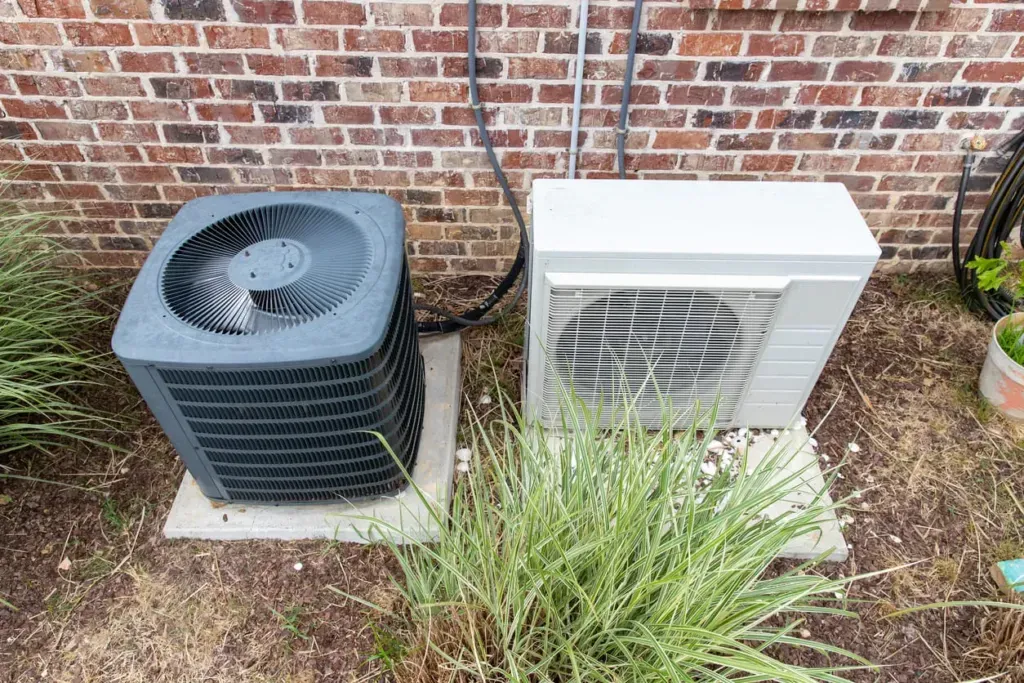
Heat Pumps
Enjoy year-round comfort with our energy-efficient and professional heat pump solutions.

Indoor Air Quality
Enhance your home’s air with our cutting-edge indoor air quality solutions you can trust.

Fireplaces
Transform your space into a warm and cozy atmosphere with our professional fireplace services.

Heating
Specialized heating services provide reliable installation, repair, system maintenance, and energy-optimization solutions.
Explore Our Latest Insights and Updates in Plumbing Services
How to Fix AC Leaking Water Inside Your Utah Home
The Ultimate Guide to Mini Split vs Window Unit Cooling