

The Fantastic Four Components That Keep You Cool


.avif)

What Are the Parts of an AC System? A Quick Answer for Homeowners
Understanding the parts of your AC system starts with knowing that every central air conditioner is made up of four core components working together to move heat out of your home:
- Compressor - Pressurizes the refrigerant and circulates it through the system; located in the outdoor unit
- Condenser Coil - Releases heat from the refrigerant into the outdoor air; also in the outdoor unit
- Evaporator Coil - Absorbs heat and humidity from your indoor air; located in the indoor unit
- Expansion Valve - Controls refrigerant flow and drops its pressure so it can absorb heat efficiently
These four parts form the backbone of your cooling system. Supporting them are components like the blower fan, air handler, ductwork, air filter, and thermostat — all of which keep conditioned air moving through your home.
When you turn down the thermostat on a hot Utah afternoon, cool air seems to appear out of nowhere. But there's nothing magical about it. Your AC is actually a heat-transfer machine — it pulls warmth out of your indoor air and dumps it outside, leaving behind that relief you're counting on. It also quietly pulls moisture out of the air as it works, making your home feel less sticky and more comfortable overall.
Today, roughly 87% of U.S. households rely on air conditioning, and central AC has been a standard feature in new home construction since the late 1960s. Yet most homeowners know very little about the system humming away in their home — until something goes wrong.
I'm Bryson Ninow, a NATE-certified HVAC professional with years of hands-on experience understanding the parts of your AC system and helping Salt Lake City homeowners keep their equipment running efficiently. In this guide, I'll walk you through exactly what each major component does, how they work together, and what you can do to protect them.
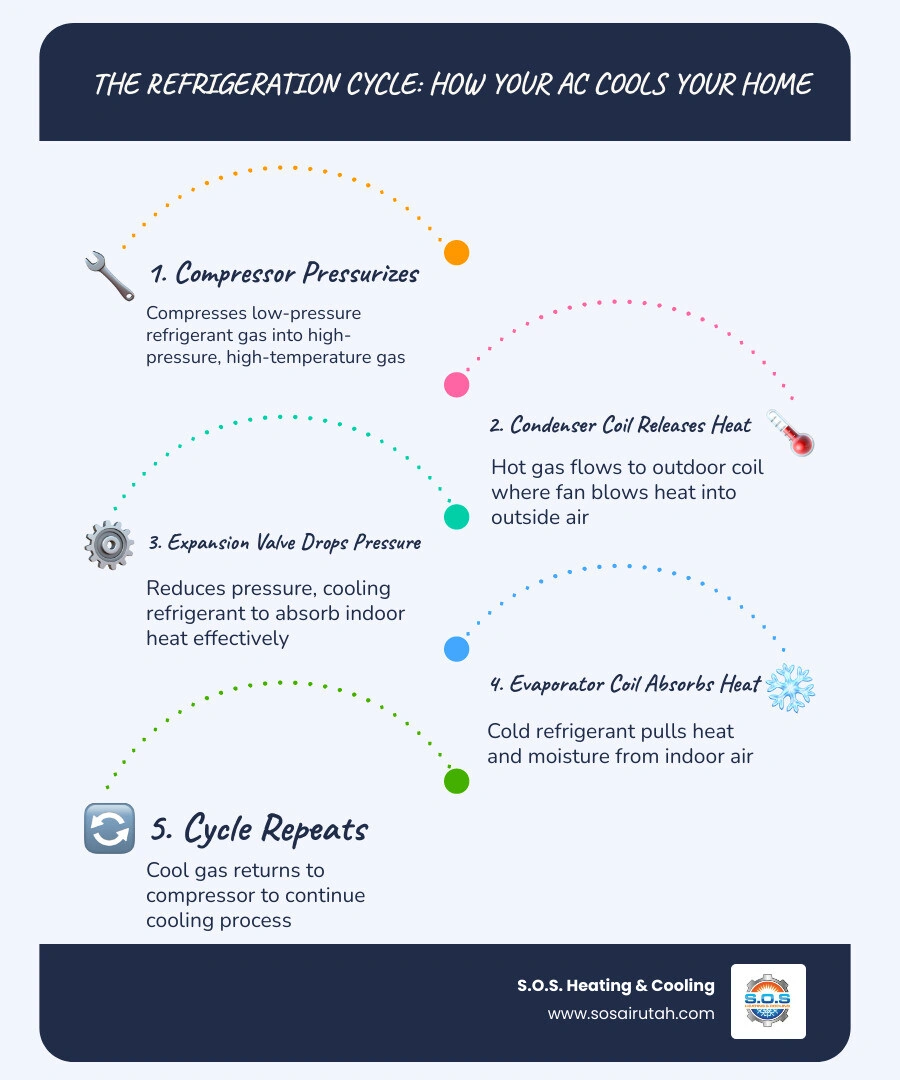
Understanding the Parts of Your AC System: Indoor and Outdoor Components
When we talk about understanding the parts of your AC system, we are usually describing a "split system." This means the system is split into two main sections: the indoor unit (often found in your basement, attic, or a closet) and the outdoor unit (the metal box sitting in your yard).
The Indoor Unit: Where the Cooling Happens
The primary "heavy lifter" inside your home is the evaporator coil. Think of this coil as a giant heat sponge. As the blower fan pushes warm indoor air across these cold copper or aluminum coils, the refrigerant inside the coils absorbs the heat.
This process doesn't just cool the air; it also dehumidifies it. As warm air hits the cold coils, moisture condenses into water droplets, which are then collected and drained away. If the airflow is restricted or the refrigerant is low, this component can actually get too cold. This is one of the primary causes of ice forming on your AC unit.
The Outdoor Unit: The Heat Discharge Station
Outside, you have the condenser unit. This cabinet houses the most vital and expensive parts of your system:
- The Compressor: Often called the "heart" of the AC system, the compressor is a powerful pump. It is responsible for up to 70% of your AC's total energy use. Its job is to squeeze the refrigerant gas, raising its temperature and pressure so it can effectively dump heat outside.
- The Condenser Coil: This is where the heat actually leaves the system. The high-pressure, hot refrigerant flows through these coils. Much like a car radiator, these coils need to stay clean to work. Learning how to clean air conditioner coils is a great way to maintain efficiency.
- The Condenser Fan: This fan pulls outdoor air through the condenser coils to help carry the heat away. If you notice your AC making clicking sounds, it could be a sign that something is obstructing the fan or a capacitor is failing.
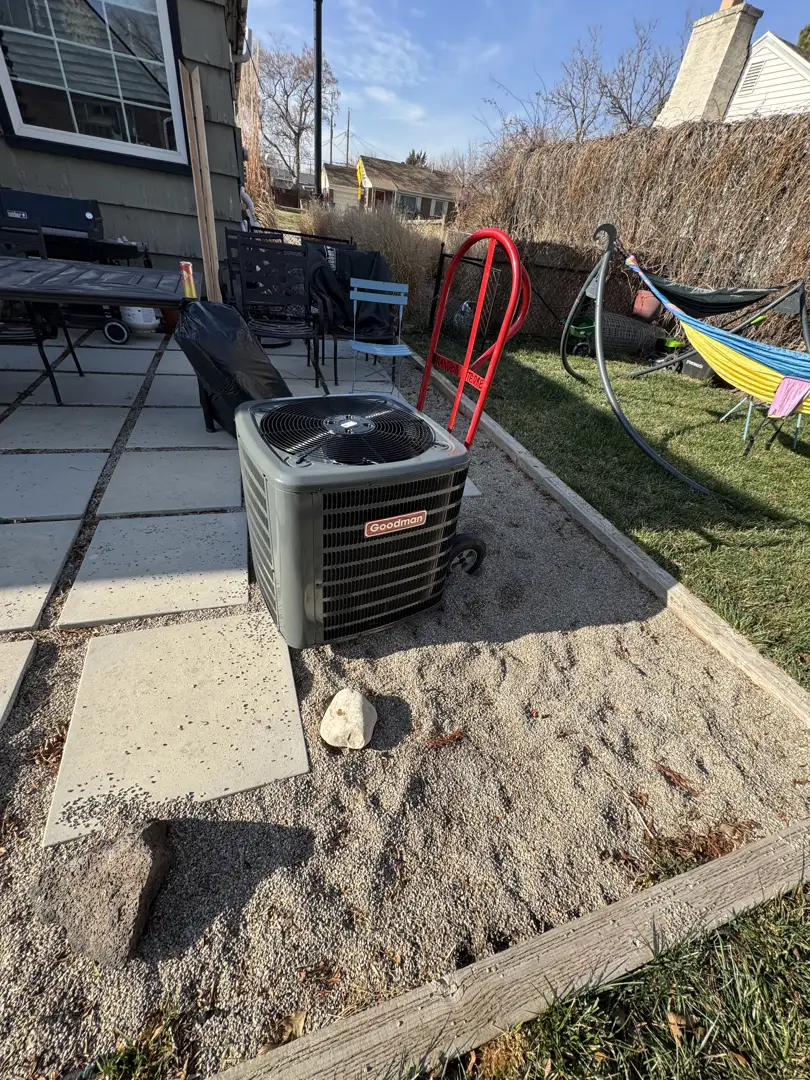
Quick Reference: Indoor vs. Outdoor Parts
| Location | Component | Primary Role |
|---|---|---|
| Indoor | Evaporator Coil | Absorbs heat from indoor air |
| Indoor | Blower Fan | Circulates air through the home |
| Indoor | Air Filter | Protects the system from dust |
| Outdoor | Compressor | Pumps and pressurizes refrigerant |
| Outdoor | Condenser Coil | Releases heat to the outside air |
| Outdoor | Condenser Fan | Blows air over the condenser coils |
The Refrigerant Cycle and Air Distribution
To truly master understanding the parts of your AC system, you have to understand how they communicate. They use two main "languages": refrigerant and airflow.
The Expansion Valve: The Gatekeeper
The expansion valve (or orifice tube) is a small but mighty component located just before the evaporator coil. Its job is to act as a pressure regulator. It takes the high-pressure liquid refrigerant and forces it through a small opening, causing a sudden drop in pressure. This pressure drop makes the refrigerant incredibly cold, allowing it to act as that "heat sponge" we mentioned earlier.
Refrigerant Lines: The Lifelines
Connecting the indoor and outdoor units are the refrigerant lines. These are usually two insulated copper tubes.
- The Suction Line: This is the larger, insulated pipe that carries cool, low-pressure gas back to the outdoor compressor.
- The Liquid Line: This is the smaller, uninsulated pipe that carries high-pressure liquid refrigerant back to the indoor unit.
If you want to dive deeper into the physics of this, check out our guide on how air conditioning works: the science behind AC.
Air Distribution: Moving the Comfort
All the cold coils in the world won't help if the air doesn't move. This is where the air handler and blower fan come in. The blower fan is the "lungs" of your home, pushing air through the evaporator and out into the ductwork.
Proper airflow is critical. If the blower motor is weak or the ducts are blocked, your system will struggle. We've seen how airflow affects your air conditioner’s performance first-hand in homes across Salt Lake City; restricted air can lead to frozen coils and motor burnout.
The Thermostat: The Conductor
The thermostat is the brain of the operation. It monitors the indoor temperature and tells the rest of the system when to turn on and off. Modern smart thermostats can even learn your habits to save energy. However, if your thermostat is placed in a sunny spot or near a drafty window, it can provide false readings. We've helped many families identify what causes AC sensor malfunctions in Farmington and surrounding areas to get their cooling back on track.
Ductwork: The Highway
Finally, we have the ductwork. According to Energy Star, the typical home can lose 20% to 30% of conditioned air through leaks in the duct system. This air loss is a major culprit behind solutions for uneven home cooling. If one room is a sauna while the other is an icebox, your ducts might be to blame.
Refrigerant States: A Quick Comparison
| State | Pressure | Location | Temperature |
|---|---|---|---|
| Gas | High | Leaving Compressor | Very Hot |
| Liquid | High | Leaving Condenser | Warm/Ambient |
| Liquid/Mist | Low | Leaving Expansion Valve | Very Cold |
| Gas | Low | Leaving Evaporator | Cool |
Maintenance and Troubleshooting for Homeowners
Now that you're well on your way to understanding the parts of your AC system, let’s talk about how to keep those parts from breaking. Maintenance isn't just a suggestion; it’s a necessity to prevent common AC repair issues.
DIY Maintenance for Understanding the Parts of Your AC System
While some things require a pro, there are several tasks you can handle yourself to keep your system happy:
- Filter Replacement: This is the single most important thing you can do. A dirty filter forces your system to "breathe through a straw," straining the blower motor and causing the evaporator coil to freeze. Check it monthly!
- Debris Clearance: Keep at least two to three feet of clear space around your outdoor condenser. Remove leaves, grass clippings, and weeds that can block airflow.
- Fin Cleaning: Use a garden hose (never a pressure washer!) to gently rinse dust and dirt off the condenser fins.
- Check the Drain Line: Look for water pooling around your indoor unit. A clogged AC drain line can lead to mold and water damage in your home.
If you’ve done these things and your AC is still not cooling properly, it's time to dig a little deeper or call for help.
When to Call a Pro for Understanding the Parts of Your AC System
Some parts of your AC are dangerous to handle without the right tools and training. You should always call a licensed technician from S.O.S. Heating & Cooling if you encounter:
- Refrigerant Leaks: Refrigerant is a regulated chemical. If your system is low, it means there is a leak that needs to be found and sealed.
- Electrical Failures: Capacitors and contactors handle high voltage. If you hear buzzing or smell burning, shut the power off at the breaker.
- Compressor Noises: Banging, screaming, or grinding from the outdoor unit usually signals a major mechanical failure.
- Frozen Coils: If you see ice, turn the system off and call us. We can help you fix an AC that freezes up in Salt Lake City before it destroys your compressor.
Frequently Asked Questions about AC Parts
What is the most expensive part of an AC system to replace?
The compressor is by far the most expensive component. Because it is the "heart" of the system and involves high-pressure refrigerant, the labor to replace it is intensive. In many cases, if a compressor fails on a system that is more than 10–12 years old, we often recommend a full system replacement rather than just a part swap, as other components are likely nearing the end of their lifespan as well.
Why is my evaporator coil freezing into a block of ice?
This usually happens for one of two reasons: airflow restriction or low refrigerant. If air can't move across the coils (due to a dirty filter or blocked vents), the coils get too cold and the moisture on them turns to ice. Similarly, low refrigerant levels cause the pressure to drop too low, leading to sub-freezing temperatures in the coil. If this happens, follow our guide to fix an AC that freezes up in Salt Lake City.
How often should I replace my air filters?
In the Salt Lake Valley, we recommend checking your filters every month and replacing them every 1 to 3 months. If you have pets, live near a construction site, or have family members with allergies, you’ll likely need to change them more frequently. Using a filter with an appropriate MERV rating (usually between 8 and 11 for most homes) ensures a good balance between air filtration and system longevity.
Conclusion
Understanding the parts of your AC system doesn't require an engineering degree, but a little knowledge goes a long way in protecting your investment. By knowing your "Fantastic Four" — the compressor, condenser, evaporator, and expansion valve — you can spot minor issues before they turn into major headaches.
At S.O.S. Heating & Cooling, we’ve been serving our neighbors from Salt Lake City to Farmington and down to Draper for years. We know that Utah summers are no joke, and a broken AC is more than just an inconvenience; it’s a comfort crisis. Whether you need a routine AC Tune-Up or a 24/7 emergency repair, our team is ready to help.
Don't wait until the next heatwave hits to find out if your system is up to the task. If you're noticing strange noises, uneven cooling, or rising energy bills, give us a call. We offer flexible financing and priority service to ensure your home stays cool all summer long.
Explore our Air Conditioning Services or contact us today to schedule your system evaluation!
Explore Our Latest Insights and Updates in Plumbing Services
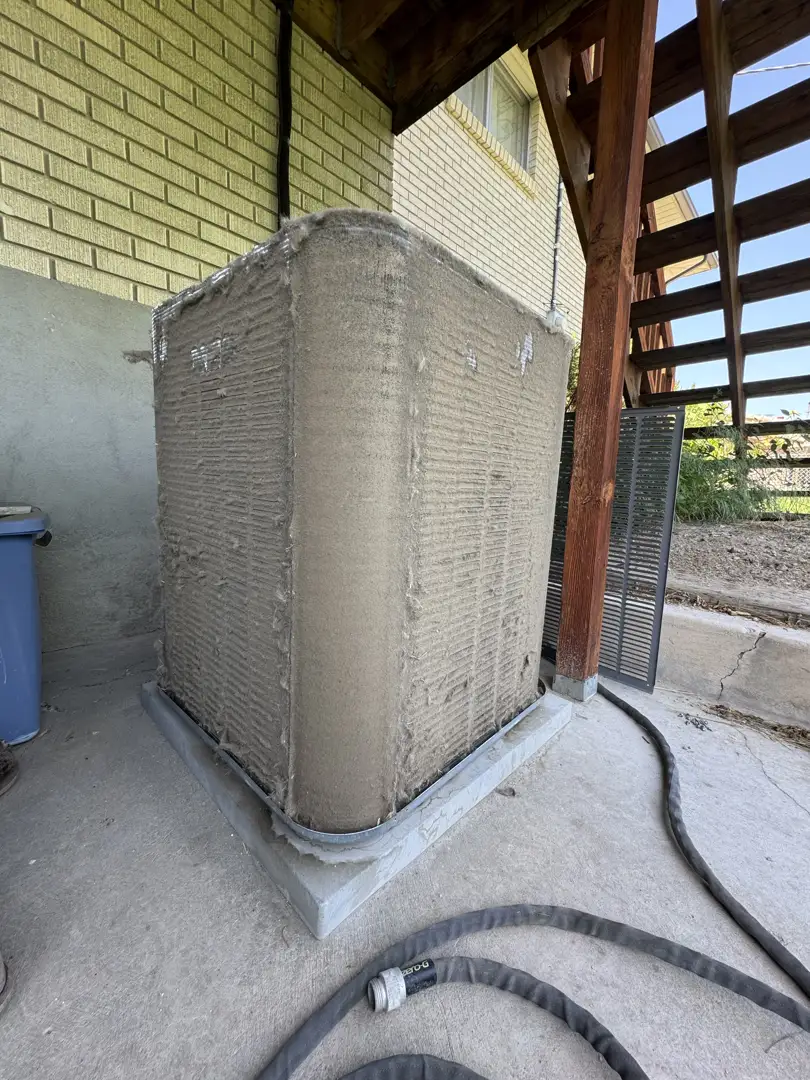
Is Your AC Dead Yet Here Are the Warning Signs
The Real Reason Your Bathroom Remodel Takes So Long
Why Plumbing Delays Can Sink Your Kitchen Remodel Schedule