
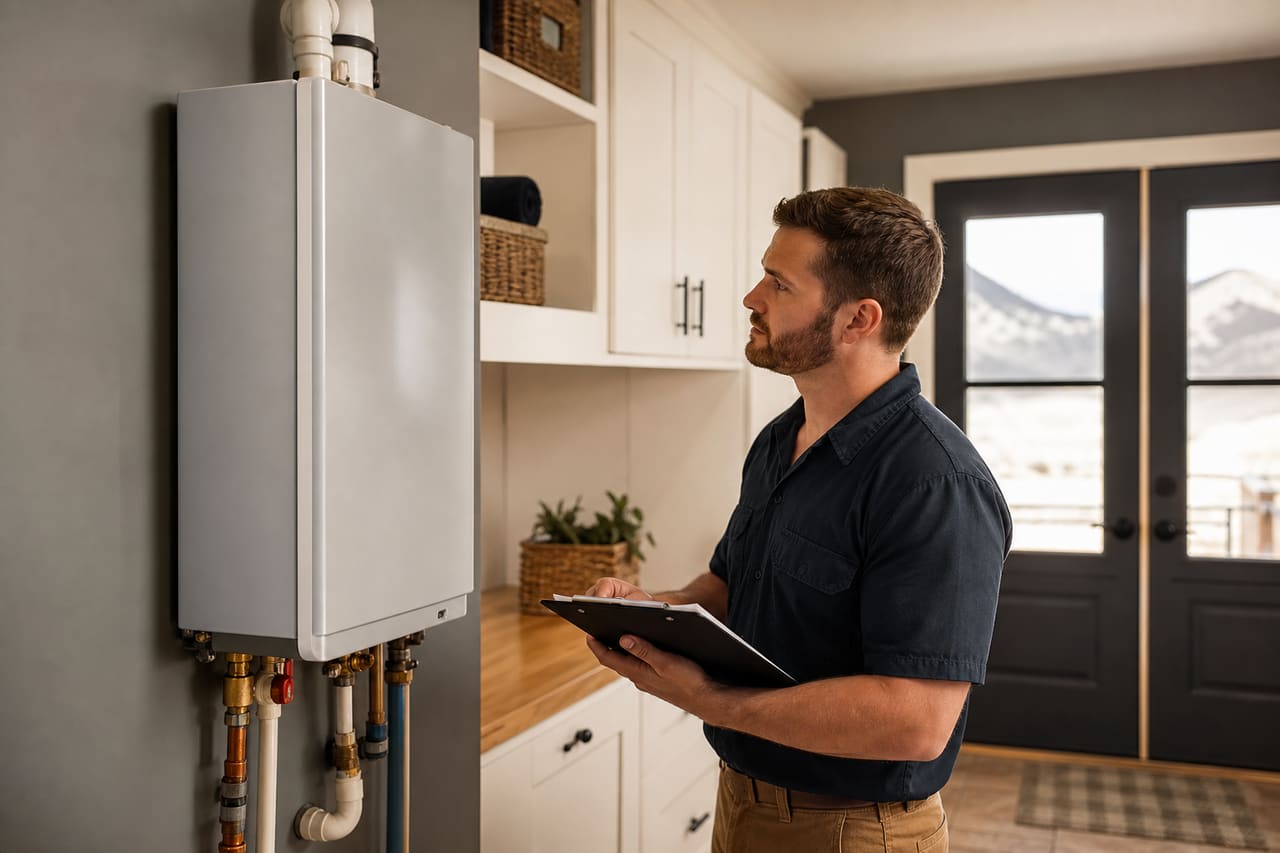
Water Heater Hook-Up Lines: Everything You Need to Know for a Leak-Free Connection
Why Choosing the Right Water Heater Lines Matters Water heater hook up lines are the flexible or rigid pipes that connect your home's…
Why Choosing the Right Water Heater Lines Matters
Water heater hook up lines are the flexible or rigid pipes that connect your home's water supply to your water heater, delivering cold water in and carrying hot water out to your taps and appliances. When you're selecting water heater lines for installation or replacement in Salt Lake City, choosing the right type and material can prevent costly leaks, water damage, and unexpected repair bills.
Quick Answer: Top Water Heater Line Options
- Braided Stainless Steel - Most popular choice, flexible, corrosion-resistant, rated to 250 psi, easy to install
- Corrugated Stainless Steel - Similar benefits to braided, allows for tighter bends in confined spaces
- Copper - Traditional rigid option, durable, requires soldering skills and dielectric unions
- Standard Size - Most residential units use 3/4-inch diameter connections
- Key Features - Look for appropriate length (12, 18, or 24 inches common), correct fittings (FIP most common), and integrated shutoff valves
Many Salt Lake City homeowners face water heater connection issues when aging supply lines corrode, develop pinhole leaks, or fail during installation. The good news is that with the right materials and proper installation techniques, you can create a reliable, leak-free connection that lasts for years. Whether you're replacing old lines or installing a new water heater, understanding your options helps you make the best choice for your home's plumbing system.
I'm Bryson Ninow, and through my years working with HVAC and plumbing systems in Salt Lake City, I've helped countless families choose and install the right water heater hook up lines to prevent leaks and ensure safe, efficient operation. Professional installation ensures compliance with local codes and protects your home from water damage.
For comprehensive water heater services including replacement and upgrades, visit our Water Heater page, or if you need immediate assistance, contact us for Water Heater Installation in Salt Lake City, UT.
Understanding Your Options for Water Heater Hook Up Lines
Choosing the right water heater hook up lines is crucial for ensuring the longevity and efficiency of your water heater system. These lines are flexible or rigid hoses that transport water to and from your water heater, and their type, material, and features can significantly impact installation ease, durability, and leak prevention. Our goal is always to help you achieve the fastest and easiest way to connect your water heater to hot and cold water lines, ensuring a safe and reliable system.
Common Materials and Their Characteristics
When it comes to water heater hook up lines, you'll find a few common materials, each with its own set of advantages and considerations.
| Material | Flexibility | Durability | Corrosion Resistance | Ease of Installation |
|---|---|---|---|---|
| Copper | Low (rigid) | High | High | Low (requires soldering/flaring) |
| Braided Stainless Steel | High | High | High (external braiding) | High (flexible, some push-to-connect) |
| Corrugated Stainless Steel | Medium to High | High | High | High (flexible, allows bends) |
| PEX | High | Medium to High | High | High (crimp/push-to-connect) |
Let's explore the specifics of each:
- Copper: This is a traditional and highly durable option. Copper lines are rigid and require precise measurements, cutting, and either soldering (sweating) or compression fittings for installation. While very reliable, copper demands more skill and specialized tools, and often requires dielectric unions to prevent galvanic corrosion when connecting to dissimilar metals on the water heater.
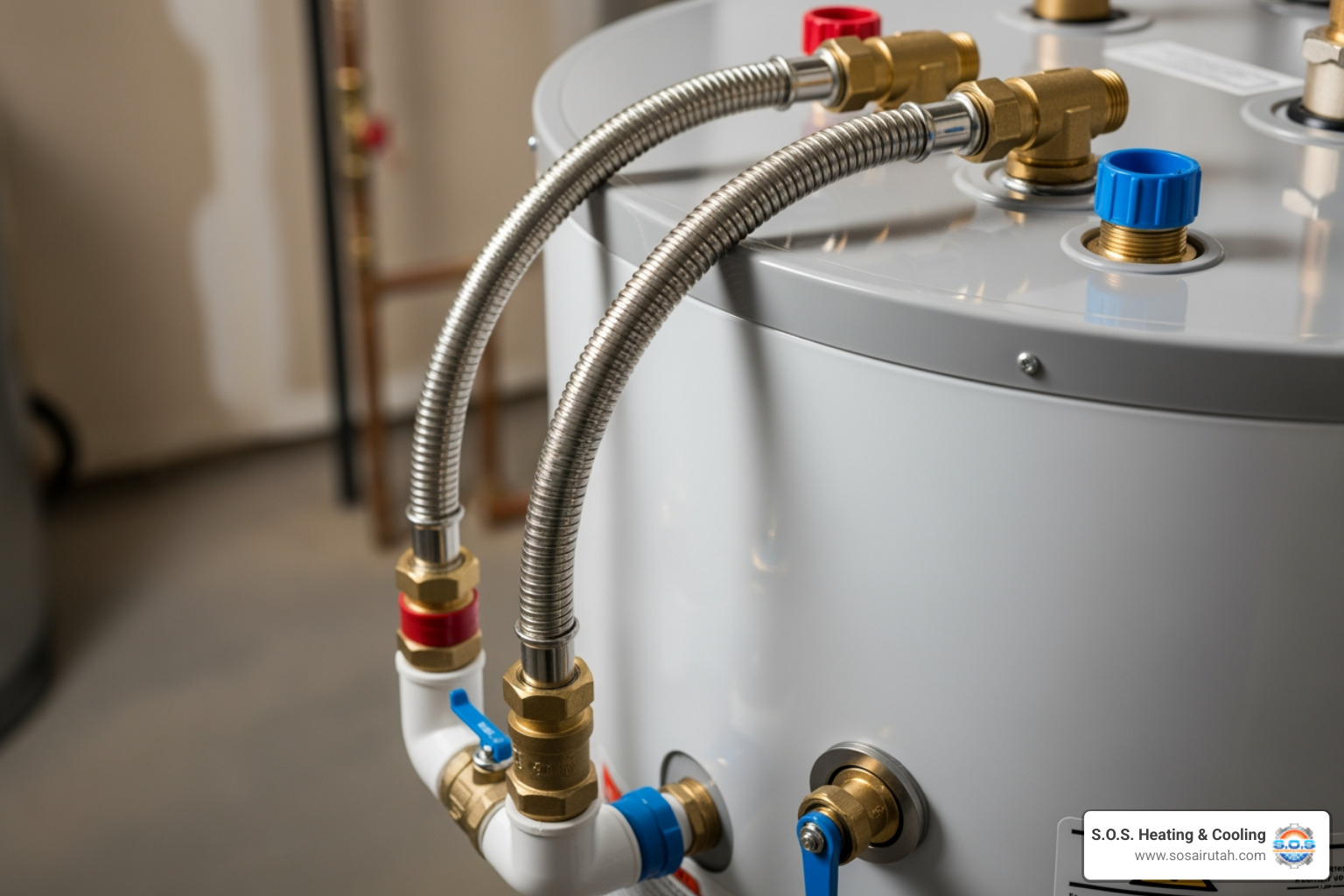
- Braided Stainless Steel: These are among the most popular choices for water heater hook up lines today, and for good reason. They consist of a flexible inner tube (often PVC or PEX) encased in a woven stainless steel mesh. This design offers excellent flexibility, making installation easier, especially in tight spaces or when pipes don't perfectly align. Many braided stainless steel connectors are rated to 250 psi, offering added strength. Some advanced braided connectors feature designs that allow for smoother connections and require less insertion force, making them incredibly fast to install compared to conventional plumbing methods. They are also rated to 140°F and 200 psi, making them suitable for typical water heater operation.
- Corrugated Stainless Steel: Similar to braided lines in material, corrugated stainless steel connectors feature a series of ridges, allowing them to bend and flex more easily than rigid copper. This corrugation can be particularly useful when you need to make tighter bends or accommodate slight misalignments without kinking the line. These connectors offer robust performance.
- PEX: Cross-linked polyethylene (PEX) tubing is another flexible option that has gained popularity. It's easy to work with, resistant to corrosion, and can be installed using crimp rings or push-to-connect fittings. PEX is an excellent choice for its versatility and ease of installation, though ensure the specific PEX product is rated for hot water and high pressure.
Dielectric Unions and Galvanic Corrosion: When connecting dissimilar metals (like a copper pipe to a steel water heater tank connection), a phenomenon called galvanic corrosion can occur, leading to premature failure of the connection. Dielectric unions are specially designed fittings that prevent this electrochemical reaction, extending the life of your plumbing system. Many water heater hook up lines come with integrated dielectric properties or are designed to connect to dielectric nipples on the water heater.
It's also worth noting that artificially softened water can be exceedingly corrosive and may decrease the life of your water heater tank and connections over time. Regular inspection of your anode rod is crucial, especially in areas with hard water like Bountiful, UT, where softeners are common.
Key Features to Consider
Beyond material, several other features are vital when selecting your water heater hook up lines:
- Length: Water heater connectors come in various standard lengths, typically 12, 18, and 24 inches. Choosing the correct length is essential to avoid unnecessary strain on the connections or kinking of flexible lines. Too short, and you'll struggle to make the connection; too long, and you risk creating kinks that restrict water flow or wear out prematurely.
- Diameter: For most residential water heaters, a 3/4-inch diameter connection is standard for both hot and cold water lines. Always confirm the required diameter with your water heater's specifications to ensure compatibility.
- Connection Type: The ends of your water heater hook up lines need to match your existing plumbing and the water heater's ports.
- FIP (Female Iron Pipe): This is a common threaded connection type.
- MIP (Male Iron Pipe): The male counterpart to FIP.
- Push-to-Connect: These fittings allow for quick, tool-free connections to PEX, copper, CPVC, PE-RT, or HDPE SDR-9 pipe. They are incredibly fast and can require significantly less insertion effort than previous generations. Many of these push-to-connect options also have integrated ball valves for convenience.
- Shutoff Valves: The role of a shutoff valve in a water heater supply line system cannot be overstated. A dedicated shutoff valve on the cold water inlet line (and often on the hot water outlet for convenience) allows you to isolate the water heater from your home's water supply. This is critical for any maintenance, repairs, or in case of a leak, preventing potential water damage to your home. Some water heater hook up lines, especially the push-to-connect types, come with an integrated ball valve, offering a convenient all-in-one solution.
By carefully considering these options, you can select the best water heater hook up lines for your specific needs, ensuring a long-lasting and leak-free connection. If you're experiencing issues with your current water heater, it might be time for a replacement. Learn more about the Signs Your Water Heater Needs Replacement.
Tools and Supplies for a Successful Installation
Before starting on any plumbing project, especially one involving your water heater, gather all the necessary tools and supplies. Having everything on hand will make the installation process smoother, safer, and more efficient.
Essential Tools
Here's a list of the tools you'll likely need:
- Two Adjustable Wrenches: Crucial for tightening and loosening connections. Having two allows you to hold one fitting steady while turning the other, preventing damage to pipes or the water heater ports.
- Pipe Cutter (for rigid pipes like copper): Ensures clean, straight cuts.
- Deburring Tool (for copper pipes): Removes burrs from cut pipe ends, preventing damage to O-rings or fittings.
- Bucket and Rags: Indispensable for catching residual water during draining and cleaning up spills.
- Wire Brush: Useful for cleaning old threads if reusing any fittings.
- Flashlight or Headlamp: For illuminating tight or dark spaces.
- Safety Glasses and Gloves: Always protect your eyes and hands when working with tools and plumbing.
Required Supplies
Make sure you have these supplies ready:
- New Water Heater Hook Up Lines: Based on your chosen material, length, and connection type (e.g., braided stainless steel, corrugated stainless steel, copper with appropriate fittings).
- Thread Sealant (Pipe Dope or PTFE Tape): Essential for creating watertight seals on threaded connections. Always apply thread seal tape clockwise to the threads.
- Dielectric Nipples (if connecting dissimilar metals): These are crucial if your new lines or existing plumbing are different metals than your water heater ports (e.g., copper to steel) to prevent galvanic corrosion. Many new water heaters come with these.
- Drain Hose (garden hose): For draining the old water heater tank.
- Work Light: For better visibility in the work area.
- Leak Detector Solution (or soap and water mixture): To check for gas leaks if you have a gas water heater.
Pipe preparation is key for a leak-free connection. If you're working with copper pipes, ensure they are cut square and free of burrs or damage. For threaded connections, applying thread sealant correctly is paramount.
A Step-by-Step Guide to Connecting Your Water Heater
This section provides a general guide for experienced DIYers. Always consult your water heater manual and local plumbing codes. For safety and compliance, professional installation is recommended.
Connecting your water heater hook up lines can seem daunting, but by breaking it down into manageable steps, you can ensure a secure and leak-free connection. Safety is paramount, and if you ever feel uncertain, calling a professional is always the best course of action.
Step 1: Preparation and Safety
Before you touch any pipes or wires, prioritize safety.
- Turn Off Power: If you have an electric water heater, turn off the electricity at the circuit breaker or fuse box. For a gas water heater, turn the gas control knob to the "OFF" position and, if possible, turn off the main gas supply valve to the unit.
- Turn Off Water Supply: Locate the main water shutoff valve for your home and turn it off. Additionally, if there's a dedicated cold water shutoff valve to your water heater, turn that off as well.
- Drain the Tank: Connect a garden hose to the drain valve at the bottom of the water heater and route the other end to a suitable drain (like a floor drain or outside). Open a hot water faucet in a nearby sink to break the vacuum and allow air into the tank, then open the drain valve. This will allow the water heater to empty.
- Safety Precautions: Ensure the area is well-ventilated, especially if working with a gas water heater. Wear your safety glasses and gloves. Be mindful that hot water can cause severe burns instantly, so allow the water to cool if draining an active unit. Always consult your water heater's manual for specific safety instructions. For any emergencies, remember our Emergency Water Heater Repair Utah Guide can provide helpful information.
Step 2: Removing Old Water Heater Hook Up Lines
If you're replacing an existing water heater, you'll first need to disconnect the old lines.
- Position Bucket: Place a bucket beneath the existing hot and cold water connections to catch any residual water.
- Loosen Nuts: Using two adjustable wrenches, hold one fitting steady while loosening the nuts on the old water heater hook up lines. Be prepared for a small amount of water to escape.
- Inspect Connections: Once removed, inspect the water heater's inlet and outlet ports and the existing plumbing for any corrosion, damage, or sediment buildup. Clean as necessary.
- Clean Threads: If you are reusing any existing fittings, clean their threads thoroughly with a wire brush.
Step 3: Installing the New Water Heater Hook Up Lines
Now for the main event: connecting your new lines.
- Apply Thread Sealant: For all threaded connections, apply pipe dope or wrap PTFE (Teflon) tape clockwise around the male threads. This helps create a watertight seal and lubricates the threads for easier tightening. If using dielectric nipples, apply sealant to their threads before installing them into the water heater ports.
- Hand-Tighten Connections: Begin by hand-tightening the new water heater hook up lines to the water heater ports and your home's plumbing. Ensure they are straight and not cross-threaded.
- Use Wrenches for Final Turn: Once hand-tight, use your adjustable wrenches to tighten the connections. For most flexible connectors, a half to a full turn past hand-tight is usually sufficient. Remember the "two-wrench" technique: hold one fitting stationary while turning the other.
- Avoid Over-Tightening: Over-tightening can strip threads, crack fittings, or damage the internal gaskets, leading to leaks. Flexible connectors, especially those with rubber gaskets, do not require extreme force.
Connecting water heater hook up lines correctly is a critical step in any water heater installation. For professional assistance with this and other installation aspects, explore our services for Water Heater Installation Salt Lake City UT.
Step 4: Final Checks and Leak Testing
You're almost there! This final step ensures everything is sealed properly.
- Turn On Water Supply: Slowly open the main water supply valve to your home and the cold water shutoff valve to the water heater. Allow the tank to fill completely.
- Purge Air from Lines: Once the tank is full, open a hot water faucet in a nearby sink. Let the water run for a few minutes until a steady stream of water flows and all air has been purged from the tank and lines. This also helps ensure the tank is completely full before restoring power to an electric unit.
- Inspect for Leaks: Carefully inspect all new connections for any signs of leaks. You can run your finger along the connections or use a piece of paper towel to check for moisture. For gas connections (if applicable), apply a soap and water solution (or a commercial leak detector) and look for bubbles, which indicate a leak. If you find a leak, turn off the water (and gas, if applicable), tighten the connection slightly, and re-test.
- Restore Power: Once you are confident there are no leaks and the tank is full of water, you can restore power to your electric water heater or light the pilot on your gas water heater according to the manufacturer's instructions.
Common Issues and Critical Safety Measures
Even with careful installation, problems can sometimes arise. Understanding common issues and critical safety measures associated with water heater hook up lines and the water heater system itself can save you from headaches, damage, and potential hazards.
Troubleshooting Installation Problems
Here are some common problems you might encounter during or after installing water heater hook up lines and how to address them:
- Leaks at Fittings: This is the most common issue. Often caused by insufficient thread sealant, cross-threading, or over-tightening/under-tightening.
- Resolution: Turn off water, drain a small amount of water from the tank to relieve pressure, re-apply thread sealant, and re-tighten the connection appropriately. Ensure the pipe is cut square and free of burrs for copper connections.
- Cross-Threading: Occurs when threads are not aligned correctly before tightening, damaging both the pipe and fitting threads.
- Resolution: If minor, you might be able to carefully re-thread. If severe, the damaged components will need to be replaced. This highlights the importance of hand-tightening first.
- Kinked Lines (Flexible Connectors): If flexible water heater hook up lines are too long or bent too sharply, they can kink, restricting water flow.
- Resolution: Replace the kinked line with an appropriate length connector or re-route it to avoid sharp bends. Corrugated stainless steel lines can be more forgiving with bends.
- Water Hammer Noise: A banging or thumping sound in your pipes, often when a faucet is suddenly turned off. While not directly caused by the hook-up lines, it can be exacerbated by high water pressure or loose pipes.
- Resolution: Check your home's water pressure (should ideally be below 80 psi). Consider installing a water hammer arrestor or securing loose pipes.
For more general troubleshooting tips, our Water Heater Repair Tips can be a valuable resource.
Essential Safety Components and Practices
Safety around water heaters is paramount, especially when dealing with hot water, gas, and electricity.
- Temperature and Pressure (T&P) Relief Valve: This is a critical safety device. It automatically opens to relieve pressure if the water temperature or pressure inside the tank becomes too high, preventing potential explosions. It's vital that the T&P valve has a discharge pipe that runs downwards and terminates openly near a floor drain, with an air gap of no more than 6 inches. The discharge pipe must be made of approved materials (copper, PEX, or CPVC) and must never be capped, blocked, or have any valve installed in it. We always install a new T&P valve with every new water heater.
- Expansion Tanks: In a "closed" water system (where a back-flow preventer, check valve, or water meter with a check valve prevents water from flowing back into the main supply), heating water causes it to expand, increasing pressure within the tank. An expansion tank absorbs this excess pressure, protecting your water heater and plumbing system. If you have a closed system, an expansion tank is highly recommended or required by code in many areas.
- Thermostat Settings (120°F): The thermostat on your water heater controls the water temperature. While you might be tempted to set it higher for more hot water, water temperature over 125°F can cause severe burns instantly, leading to serious injury or even death. Most manufacturers ship units with the thermostat set to 120°F or lower, and this is the recommended setting to prevent scalding. If you need more hot water, consider a larger tank or a tankless unit, or install thermostatic mixing valves at points of use to temper the hot water.
- Water Heater Location: Ensure your water heater is located in an area where any leakage from the tank or connections will not result in damage to the surrounding area or lower floors of your structure. Installing a suitable drain pan underneath, piped to a drain, provides an extra layer of protection.
- Local Codes and Bracing: Always check with local codes and ordinances in areas like Salt Lake City, Bountiful, or Draper for specific requirements, including bracing or anchoring water heaters to prevent movement, especially during seismic activity.
Understanding and adhering to these safety measures is not just about compliance; it's about protecting your home and family. Our commitment to Water Heater Code Compliance ensures your installation meets all local standards.
When to Call a Professional Plumber
While some homeowners might feel comfortable tackling the installation of water heater hook up lines, there are many situations where calling a professional plumber is not just recommended, but essential for safety, compliance, and peace of mind.
- Signs of Trouble Beyond Simple Leaks: If you're experiencing persistent leaks, strange noises, discolored water, or a complete lack of hot water, these are signs that a deeper issue might be at play. Our Hot Water Heater Leaking guide can help identify common leak sources, but resolving them often requires expert diagnosis.
- Complex Plumbing Configurations: If your existing plumbing is old, involves unusual materials, or has a complex layout, a professional has the expertise to steer these challenges. We know how to work in tight spaces and with misaligned pipes to ensure a proper connection.
- Gas Line Connections: Working with gas lines is extremely dangerous and should always be left to certified professionals. Improper gas connections can lead to leaks, carbon monoxide poisoning, explosions, and severe injury or death. This is not a DIY task.
- Local Code Uncertainty: Plumbing codes vary by city and state. What's acceptable in one area of Utah might not be in another. Professionals are up-to-date on all local codes and ordinances in Salt Lake City, Bountiful, South Jordan, and surrounding areas, ensuring your installation is compliant and safe. This includes requirements for drain pans, T&P valve discharge piping, seismic bracing, and expansion tanks.
- New Water Heater Installation: The quality of water heater installation is just as important as the quality of the unit itself. Installing a new water heater involves more than just connecting lines; it includes proper venting, electrical or gas connections, T&P valve installation, and ensuring the unit operates efficiently. Water heater installation is not a suitable DIY project due to the high-pressure holding tank, potential carbon monoxide risks, and natural gas components.
- Lack of Proper Tools or Experience: If you don't have the specialized tools or the confidence to perform the installation correctly, attempting it yourself can lead to costly mistakes, water damage, or safety hazards.
Choosing professional installation offers numerous benefits, including expert knowledge, adherence to safety standards, and often, warranties on labor. We ensure your water heater operates safely and efficiently from day one. To understand more about the advantages, read about Pro Water Heater Replacement Benefits. When you need reliable service, our team is ready for Water Heater Repair Salt Lake City and beyond.
Conclusion
Ensuring a leak-free and safe connection for your water heater starts with understanding and choosing the right water heater hook up lines. From selecting the appropriate material and features to following proper installation steps and adhering to critical safety measures, every detail plays a vital role in the long-term reliability and performance of your home's hot water system.
While the "how-to" aspect of installing water heater hook up lines can be appealing to the experienced DIYer, the complexities and inherent safety risks involved often make professional installation the smartest choice. Our priority is always your family's safety and comfort, and we know that a properly installed water heater with secure connections provides just that.
For expert assistance with your Water Heater needs, whether it's choosing the right lines, professional installation, or addressing any concerns, contact our certified professionals at S.O.S. Heating & Cooling. We're here to ensure your plumbing systems in Salt Lake City, Bountiful, South Jordan, and all our service areas are operating efficiently and safely. Losing hot water? We provide reliable water heater repair.
Contact Us
Let's Get You From Distress to Rest
No heat, no cool, a backed-up drain, or just due for a tune-up? Call now or request service and our local team will be on the way — upfront pricing, no surprises.