

How to Stop Your AC from Running All Day in Utah Summers


.avif)

Why Your AC Runs All Day Without Stopping in a Utah Summer
If you've been wondering why does my AC run all day without stopping in a Utah summer, here's the short answer:
Most common reasons your AC runs nonstop in Utah:
- Extreme outdoor heat - When temps climb past 95°F, your AC may run 12-16 hours a day just to keep up
- Dirty air filter - A clogged filter can cut efficiency by up to 15%, forcing longer run times
- Low refrigerant - A leak causes the system to work harder without ever reaching your set temperature
- Undersized AC unit - A system too small for your home can run up to 80% longer than a properly sized one
- Dirty evaporator or condenser coils - Buildup blocks heat transfer and keeps the system running overtime
- Poor insulation or air leaks - Heat sneaking in through walls, attics, or windows puts constant demand on your system
- Thermostat issues - A faulty or poorly placed thermostat can trick your system into running when it shouldn't
Sometimes constant running is normal. Sometimes it's a warning sign. Knowing the difference can save you money and protect your equipment.
Utah summers are no joke. Salt Lake City regularly sees temperatures push past 100°F, and the Wasatch Front's dry, high-desert climate means your air conditioner is fighting a constant uphill battle from June through August. In fact, air conditioning accounts for roughly 70% of residential electricity use in Utah during the summer months — so when your system runs all day without a break, it hits your comfort and your energy bill at the same time.
Most homeowners assume something must be broken when their AC never shuts off. But the truth is more nuanced. Nonstop runtime can be completely normal on a scorching July afternoon — or it can signal a real mechanical problem quietly wearing your system down. The tricky part is knowing which situation you're actually dealing with.
I'm Bryson Ninow, an NATE-certified HVAC professional with years of experience helping Utah homeowners troubleshoot exactly why their AC runs all day without stopping in a Utah summer, from dirty filters to refrigerant leaks to undersized systems. In the sections below, I'll walk you through every likely cause and what you can do about it.
Is Constant Runtime Normal in the Wasatch Front Heat?
When outdoor temperatures in Bountiful, Layton, or South Jordan climb into the high 90s or triple digits, your air conditioner might run for hours on end without a single pause. Before you panic, it is important to understand how air conditioners are designed to operate.
Most residential AC units are engineered to handle a maximum temperature difference—known in the HVAC industry as "Delta T"—of about 15 to 20 degrees Fahrenheit between the outdoor air and your indoor air. This is often called the 20-degree rule. If it is a blistering 100°F afternoon in Salt Lake City, a perfectly healthy, correctly sized air conditioner is designed to maintain an indoor temperature of about 80°F.
If you have your thermostat set to 72°F on a 100-degree day, your system will likely run continuously from midday through late evening trying to achieve an impossible goal. In this scenario, the nonstop runtime is not a mechanical failure; it is simply a reflection of extreme weather overpowering the physical limitations of standard residential cooling systems.
However, if your air conditioner is running all day when it is only 85°F outside, or if the indoor temperature continues to climb despite the system running flat-out, you are dealing with an efficiency or mechanical issue. Constant, unnecessary runtime places immense strain on your compressor and fan motor. Over time, this accelerated wear and tear can significantly shorten your system's life. To understand how our local climate impacts your system's durability, you can read about How High Desert Weather Affects AC Equipment Lifespan.
Why Does My AC Run All Day Without Stopping in a Utah Summer?
When your air conditioner runs continuously, it is usually struggling to satisfy the thermostat. This extra work translates directly to higher energy bills and accelerated component wear. If you notice your home is not cooling down or the system never takes a break, you need to identify whether the cause is a simple airflow restriction or a deeper mechanical failure.
To help you get started on basic checks, our guide on AC Not Cooling Properly What to Check covers the essential system inspections every homeowner should know.
Airflow Restrictions: Why Does My AC Run All Day Without Stopping in a Utah Summer?
Airflow is the lifeblood of your air conditioning system. Your AC does not actually "create" cold air; instead, it removes heat from your indoor air by blowing it across a freezing-cold evaporator coil. If anything restricts this airflow, the heat transfer process fails, forcing your system to run longer to achieve the same cooling effect.
The most common culprit behind restricted airflow is a dirty air filter. A clogged filter can reduce your system's efficiency by up to 15%. Because the blower motor has to work twice as hard to pull air through a dusty, clogged barrier, the overall volume of air passing over the cooling coils drops significantly.
When airflow drops too low, the temperature of the evaporator coil plunges below freezing. Moisture in the air then condenses and freezes directly onto the coil, forming a block of ice that completely blocks heat absorption. To see how this happens, read about How Dirty Filters Cause Frozen Evaporator Coils.
Neglecting filter changes can completely derail your system's cooling capacity. For a deeper look into this issue, check out How Dirty Air Filters Destroy Your AC Performance and learn more about the mechanics of air circulation in How Airflow Affects Your Air Conditioner's Performance.
Mechanical Issues: Why Does My AC Run All Day Without Stopping in a Utah Summer?
If your airflow is perfectly fine but the system still runs nonstop, you are likely facing a mechanical or physical sizing issue:
- Low Refrigerant Levels: Refrigerant is the chemical medium that carries heat out of your home. In a properly sealed system, refrigerant should never disappear. If your system is low on refrigerant, it means you have a leak. Low levels can cause the system to run continuously, increasing your energy consumption by 20% to 30% because the system cannot absorb heat efficiently.
- Undersized AC Unit: If your AC was not properly sized for your home's square footage, layout, and insulation levels, it will struggle to keep up. An undersized unit can run up to 80% longer than a properly sized system during peak Utah summer heat, running constantly without ever reaching your desired thermostat setting.
- Failing Electrical Components: A weak capacitor or a failing contactor can prevent the outdoor compressor or fan from running at full capacity, or cause them to stay stuck in the "on" position. If your system is experiencing electrical issues, it may fail to start up properly next time. You can learn more about these electrical warning signs in our article on Why Your AC Won't Turn On in Holladay.
Environmental and Home Factors Unique to Utah
Utah's unique geography and home construction styles play a massive role in how much heat your house absorbs during the day. Along the Wasatch Front, several local environmental factors can dramatically increase your home's "heat load," forcing your AC to run nonstop.
- Attic Heat Accumulation: During a hot July afternoon in Sandy or Millcreek, attic temperatures can easily exceed 130°F. If your attic is poorly ventilated or your ceiling insulation is thin, this intense heat radiates directly down through your ceiling into your living spaces. Furthermore, if your ductwork runs through an unconditioned attic, the cooled air inside those ducts can warm up by several degrees before it ever reaches your living room registers.
- Solar Gain and West-Facing Windows: Homes built along the Wasatch bench often feature large, beautiful windows to take in valley views. However, afternoon sun hitting west-facing windows can introduce a tremendous amount of radiant heat. Without solar shades or reflective window films, this solar gain can make your west-facing rooms 5 to 10 degrees warmer than the rest of your house.
- Air Leaks and Poor Insulation: Older homes in historic areas like Salt Lake City or parts of Bountiful often suffer from deteriorated insulation and air leaks around doors, windows, and floorboards. Cold air escapes while hot, dry outdoor air sneaks in, creating a constant cooling demand that keeps your AC running.
| Heat Load Factor | Impact on Utah Homes | Recommended Solution |
|---|---|---|
| High Attic Heat (130°F+) | Radiates heat through ceilings; warms cooled air inside attic ducts. | Improve attic insulation (R-60) and install active ventilation. |
| Solar Gain (West Windows) | Spikes indoor temperatures by 5–10°F in the late afternoon. | Install reflective window films, solar screens, or heavy drapes. |
| Air Leaks | Allows cooled air to escape while drawing in hot, dry outdoor air. | Apply weatherstripping around doors and caulk around older windows. |
| Ductwork Leaks | Drops system efficiency by losing conditioned air to unconditioned spaces. | Have ducts professionally sealed and insulated. |
DIY Troubleshooting and Maintenance Steps for Homeowners
Before you pick up the phone to schedule an emergency service call, there are several simple steps you can take to diagnose, clean, and optimize your system. Taking care of these basics can immediately reduce your system's runtime and lower your utility bills.
- Check and Replace Your Air Filter: This is the easiest and most effective way to restore proper airflow. If you live in a dusty area or near active construction in rapidly growing communities like Herriman or Riverton, your filters will load up much faster. Learn how to manage this in How Often to Change Your AC Filter in Dusty Climates and discover how choosing the correct filter type makes a difference in How the Right Filter Improves Your AC Efficiency.
- Inspect Thermostat Settings: Make sure your thermostat is set to "Cool" and the fan is set to "AUTO" rather than "ON" (which keeps the blower fan running 24/7, even when the system is not actively cooling). Also, ensure your thermostat is not mounted near a heat source, such as a sunny window, lamp, or appliance, which can trick it into reading the room as much warmer than it actually is.
- Clear the Outdoor Condenser Unit: Your outdoor unit needs at least two feet of clear space around it to dump heat effectively. Clear away weeds, grass, leaves, and cottonwood seeds. You can gently rinse the outdoor coils with a garden hose at a 45-degree angle to remove dirt and dust. For more localized maintenance advice, check out our AC Maintenance Tips Cottonwood Heights UT.
- Schedule Pre-Season Maintenance: The best way to prevent nonstop runtime is to address minor issues before the summer heat waves arrive. Review our guide on Spring AC Maintenance to Prevent Summer Failures on the Wasatch Front to keep your system running efficiently year-round.
Frequently Asked Questions about Utah AC Performance
How long should my AC run on a 95-degree day in Utah?
On a 95-degree day, it is completely normal for a properly sized, single-stage air conditioner to run for 30 to 45 minutes per hour, or even continuously during the hottest part of the afternoon (typically between 2 PM and 7 PM). If you have a modern variable-speed system, it is designed to run almost continuously at a lower, highly efficient speed to maintain a steady indoor temperature and keep air circulating.
Can a dirty air filter cause my AC to run continuously?
Yes, absolutely. A dirty air filter restricts the volume of air flowing through your system. Because less warm air is passing over the evaporator coils, the system takes much longer to extract heat from your home. This forces the AC to run continuously, spikes your energy bills, and can eventually cause your system's cooling coils to freeze over completely.
Should I set my thermostat fan to ON or AUTO?
For most Utah homeowners, we highly recommend keeping your thermostat fan set to AUTO. The AUTO setting ensures the blower fan only runs when your system is actively cooling the air. If you set it to ON, the fan runs 24/7. In our dry climate, keeping the fan on continuously can actually blow moisture off your evaporator coil back into your home, raising indoor humidity and causing the system to run longer to keep you comfortable.
Conclusion
If your air conditioner is running all day without stopping in our intense Utah summers, don't ignore it. While extended runtimes are common when outdoor temperatures soar past 95°F, constant running on milder days or a complete failure to cool your home are clear warning signs of underlying airflow restrictions, low refrigerant, or system sizing issues.
At S.O.S. Heating & Cooling, we are dedicated to keeping families along the Wasatch Front comfortable and safe. We provide expert HVAC services across the Salt Lake Valley and surrounding areas, including Salt Lake City, Sandy, Draper, South Jordan, Riverton, Millcreek, Holladay, Cottonwood Heights, Murray, Bountiful, and Layton. Whether you need a quick repair, a routine maintenance tune-up, or a comprehensive system upgrade, our experienced team is here to help you restore your home's efficiency and lower your summer energy bills.
If your AC is struggling to keep up with the heat, contact us today to schedule a professional inspection. Visit our S.O.S. Heating & Cooling AC Repair Salt Lake City page to book your service and get your cooling system back on track.
Explore Our Latest Insights and Updates in Plumbing Services
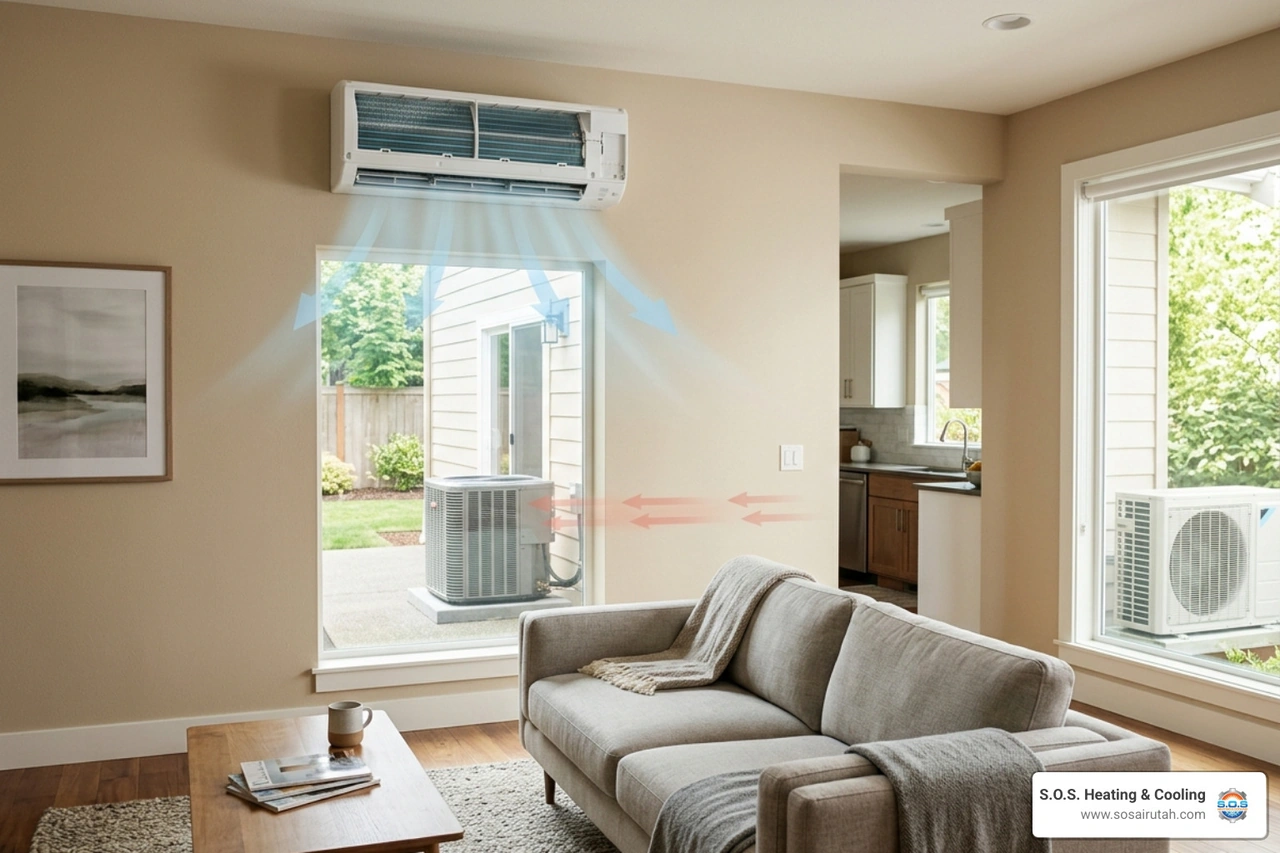
How Your AC Actually Works to Keep You Cool
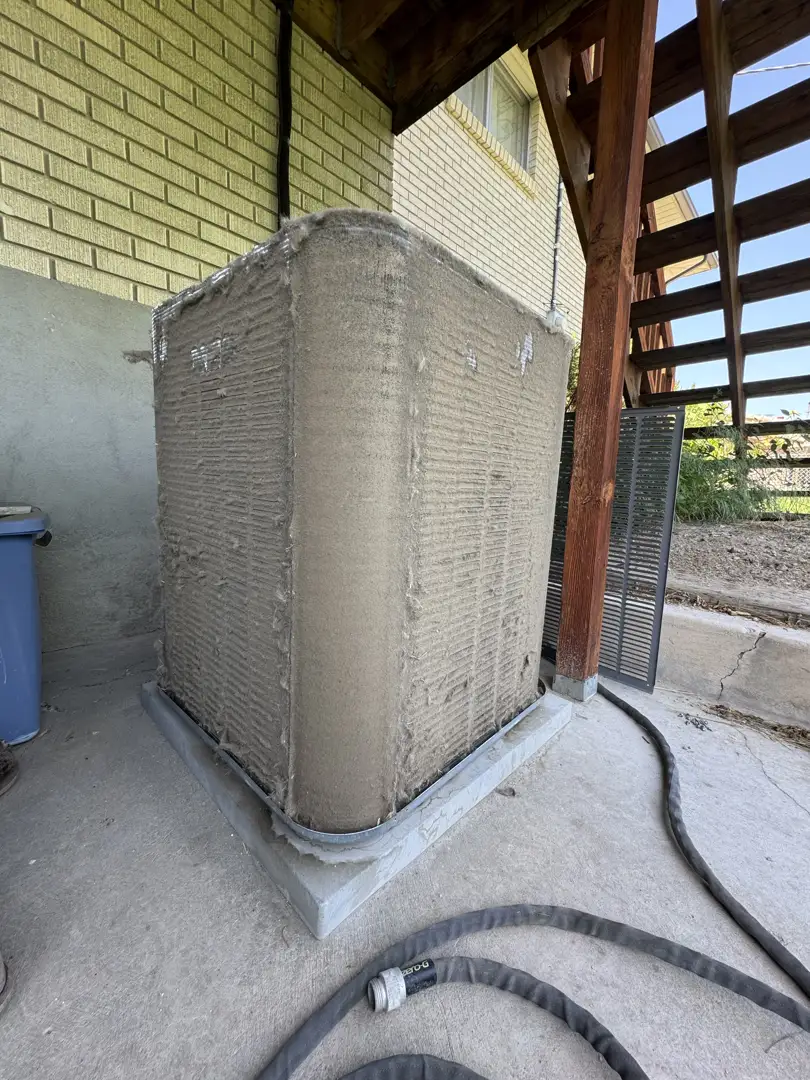
Is Your AC Dead Yet Here Are the Warning Signs
The Real Reason Your Bathroom Remodel Takes So Long